Bibwewadi housing society residents question civic body over open space
Source Entity
Latest News: Todays Latest News Headlines from India & World | Hindustan Times | Hindustan Times
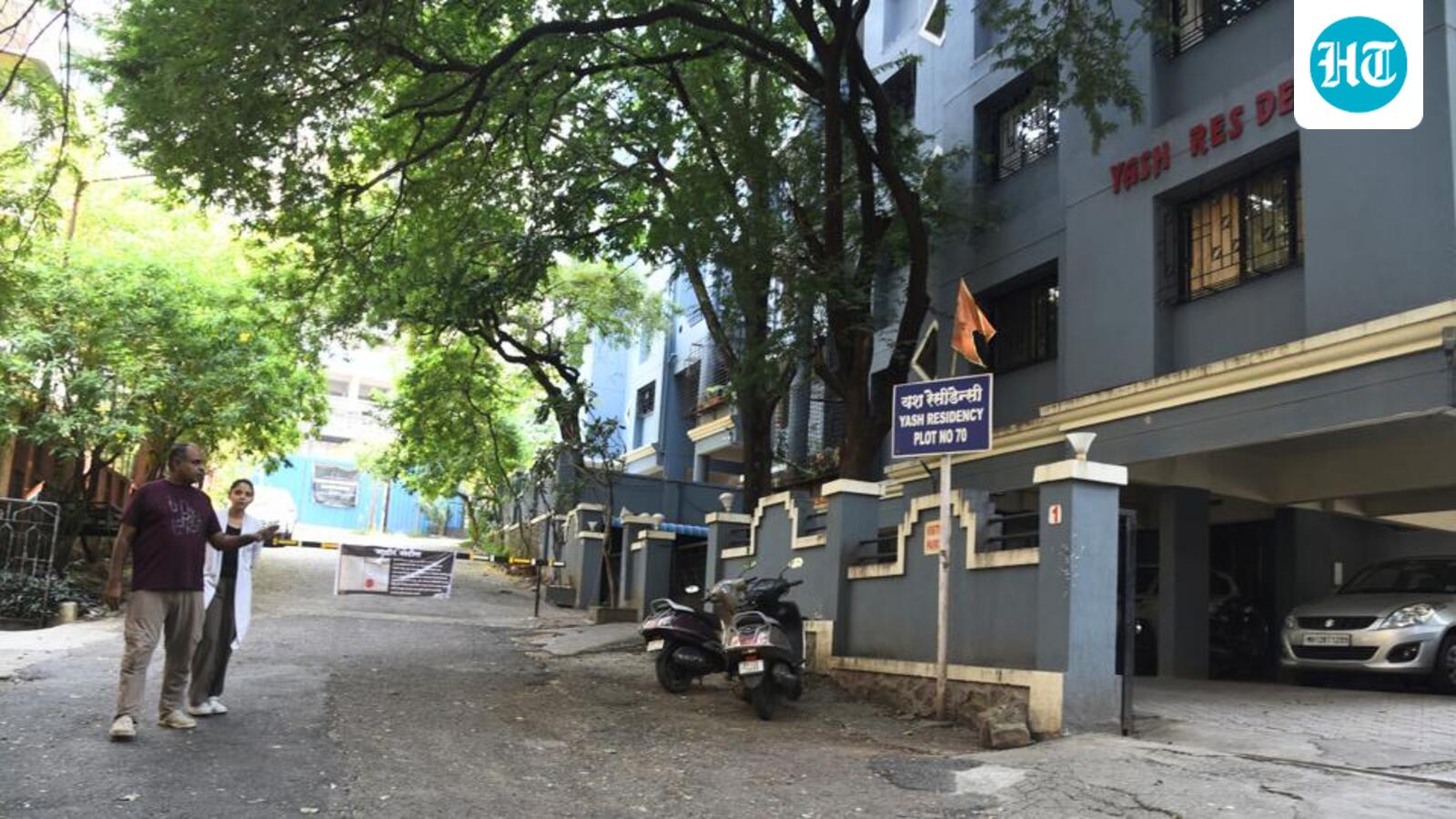
Residents of Yash Residency in Bibwewadi are contesting the Pune Municipal Corporation's claim over an open space adjacent to their society. While the PMC asserts the land was acquired in 1997 for a proposed road, residents argue their 2019 deemed conveyance included the area.
Dispute Over Urban Open Space in Bibwewadi
The residents of Yash Residency housing society in Bibwewadi, Pune, have escalated a long-standing land dispute to the office of the Chief Minister. At the heart of the conflict is an open space located at plot number 70, Sahani Sujan Park, which residents have utilized for years as an integral part of their living environment. This tension highlights the recurring friction between urban development planning and the established rights of housing societies within rapidly expanding cities like Pune.
The Civic Body’s Stance
The Pune Municipal Corporation (PMC) maintains a firm legal position regarding the plot. According to civic officials, the land in question was officially taken into possession by the municipal body in 1997. The stated purpose for this acquisition was the development of a proposed road, a common feature in urban master planning intended to improve connectivity and infrastructure. The PMC relies on Section 2 of the relevant land acquisition framework to justify its claim, asserting that the property has been earmarked for public utility for over two decades.
Resident Perspective and Deemed Conveyance
Conversely, the residents of Yash Residency offer a conflicting narrative based on the development history of their society. The project, which was sanctioned in 2005, occupies an L-shaped plot situated at a dead end. Residents emphasize that the open space in question was treated as part of the society's property during the critical 'deemed conveyance' process, which was finalized as recently as 2019. Deemed conveyance is a pivotal legal mechanism in Maharashtra that transfers the title of land from the developer to the housing society, and residents argue that the inclusion of this plot in the process validates their ownership claims.
Broader Implications for Urban Planning
This case serves as a microcosm for the complex challenges facing urban governance in India. When municipal corporations project future road networks or public utilities decades in advance, they often clash with residential developments that have matured in the interim. The ambiguity between sanctioned building plans and municipal road reservation maps creates significant uncertainty for homeowners who invest in properties under the assumption that open spaces are protected assets.
Historical Context and Future Trends
The disconnect between the 1997 acquisition claim and the 2005 building sanctions suggests a potential failure in inter-departmental coordination or record-keeping within civic planning authorities. As Pune continues to experience high-density growth, such disputes are likely to become more frequent. Future resolution of these conflicts will depend on the digital integration of land records and more transparent communication between municipal planning departments and the housing societies that operate within their jurisdiction.
Conclusion
The intervention of the Chief Minister's office represents the final avenue for these residents to protect what they perceive as their rightful open space. Until the legal discrepancy between the PMC's 1997 acquisition records and the society’s 2019 conveyance documents is reconciled, the status of the plot at Sahani Sujan Park will remain in limbo, serving as a cautionary tale for the necessity of absolute clarity in urban land titles.
Verification Required?