Biden Calls Putin "Teenager", Zelensky "Moody, Stubborn" In New Memoir
Source Entity
NDTV News Search Records Found 1000
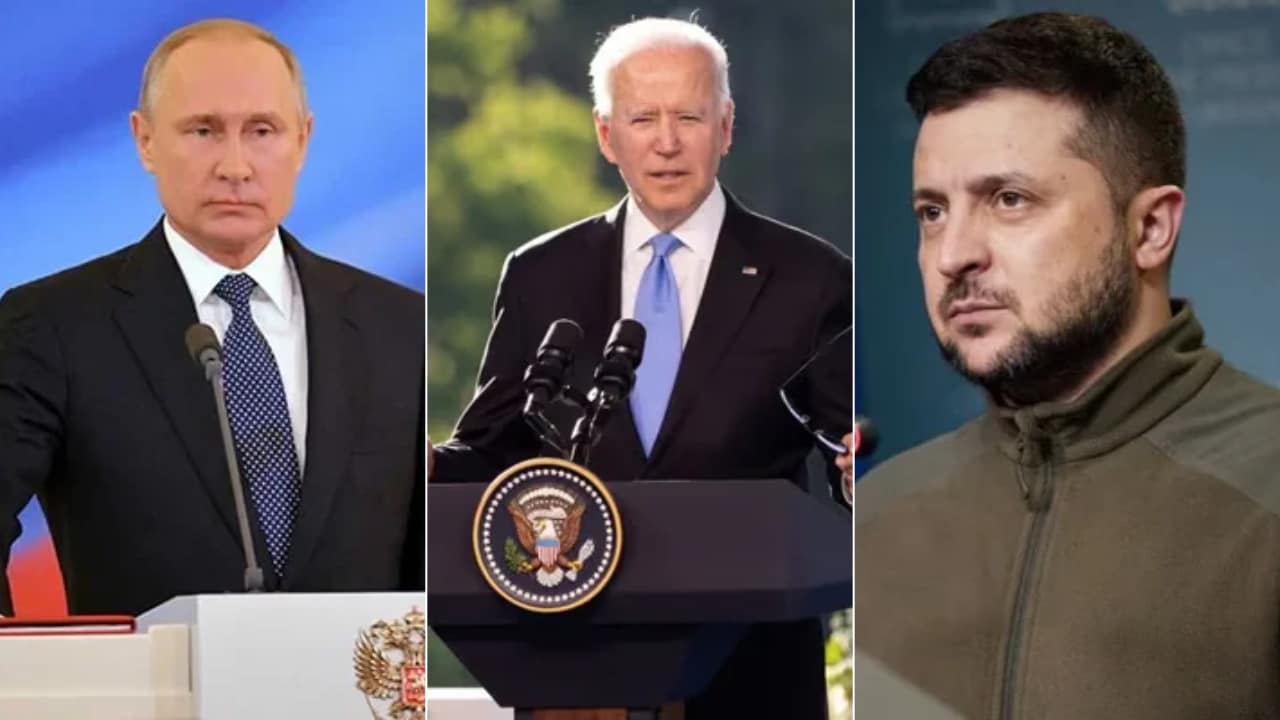
President Joe Biden's new memoir offers candid assessments of world leaders, labeling Vladimir Putin a 'teenager' and Volodymyr Zelenskyy as 'moody and stubborn.' Despite these critiques, Biden notably praised Zelenskyy's experience as an actor for his leadership capabilities.
Insights into Global Leadership: Biden's Candid Memoir
President Joe Biden’s recently released memoir provides an unprecedented window into the personal dynamics and private assessments he has formed regarding key world leaders. By characterizing Russian President Vladimir Putin as a "teenager," Biden suggests a perception of erratic, reactionary, and emotionally immature leadership governing the Kremlin. This psychological framing serves to contextualize the challenges the Biden administration has faced in navigating high-stakes diplomatic tensions with Moscow, framing the current geopolitical impasse not merely as a clash of policy, but as a struggle against a volatile counterpart.
The Complexity of the Ukraine-Russia Dynamic
The depiction of Ukrainian President Volodymyr Zelenskyy as "moody and stubborn" offers a nuanced look at the burden of wartime leadership. Zelenskyy has been the face of Ukraine’s resistance since the 2022 invasion, and Biden’s description highlights the friction that often exists between allies during prolonged international crises. Stubbornness, in this context, is a double-edged sword; while it has been instrumental in Zelenskyy’s refusal to concede territory, it has also necessitated complex diplomatic maneuvering by the United States to align strategic goals between Washington and Kyiv.
The Value of Theatrical Experience
Perhaps the most intriguing revelation is Biden’s specific commendation of Zelenskyy’s theatrical background. Rather than viewing the Ukrainian leader’s former career as a liability, Biden identifies it as a strategic asset. In the modern era of information warfare, the ability to communicate, command a stage, and project resolve—skills honed in acting—has allowed Zelenskyy to maintain global public support and effectively lobby Western governments. This acknowledgment suggests that Biden values the performative aspects of leadership as a vital component of successful statecraft in the 21st century.
Geopolitical Implications of Personal Assessments
These personal characterizations carry significant weight, as they reveal the internal thinking of the U.S. executive branch during one of the most volatile periods in European history. When a leader characterizes a rival as a "teenager," it signals a loss of traditional diplomatic trust, shifting the relationship toward containment and risk management. Conversely, the frank assessment of an ally like Zelenskyy points to a relationship defined by "tough love"—recognizing the difficulty of working with a strong-willed partner while simultaneously validating their political efficacy.
Historical Context and Future Trends
Historically, presidential memoirs have often served as a vehicle for shaping the narrative of one’s tenure. By pulling back the curtain on these private thoughts, Biden is framing his legacy as one of engagement with complex, often difficult personalities. Looking forward, these insights will likely influence how historians analyze the Biden-Zelenskyy alliance, moving beyond the public rhetoric of solidarity to understand the underlying tensions that defined their working relationship. The focus on personality types in foreign policy will likely remain a key indicator of how the U.S. approaches future international crises.
Conclusion
In summary, President Biden’s memoir goes beyond surface-level diplomatic pleasantries to offer a raw look at the people behind the headlines. By contrasting his view of Putin’s volatility with his appreciation for Zelenskyy’s dramatic resolve, Biden provides a roadmap for understanding his administration’s foreign policy priorities. These reflections reinforce the reality that, in modern international relations, the personal temperaments of national leaders remain just as critical as the military or economic assets they command.
Verification Required?