Bihar to provide financial assistance, job to Bharat Bhushan Tiwari’s family
Source Entity
India Latest News: Top National Headlines Today & Breaking News | The Hindu
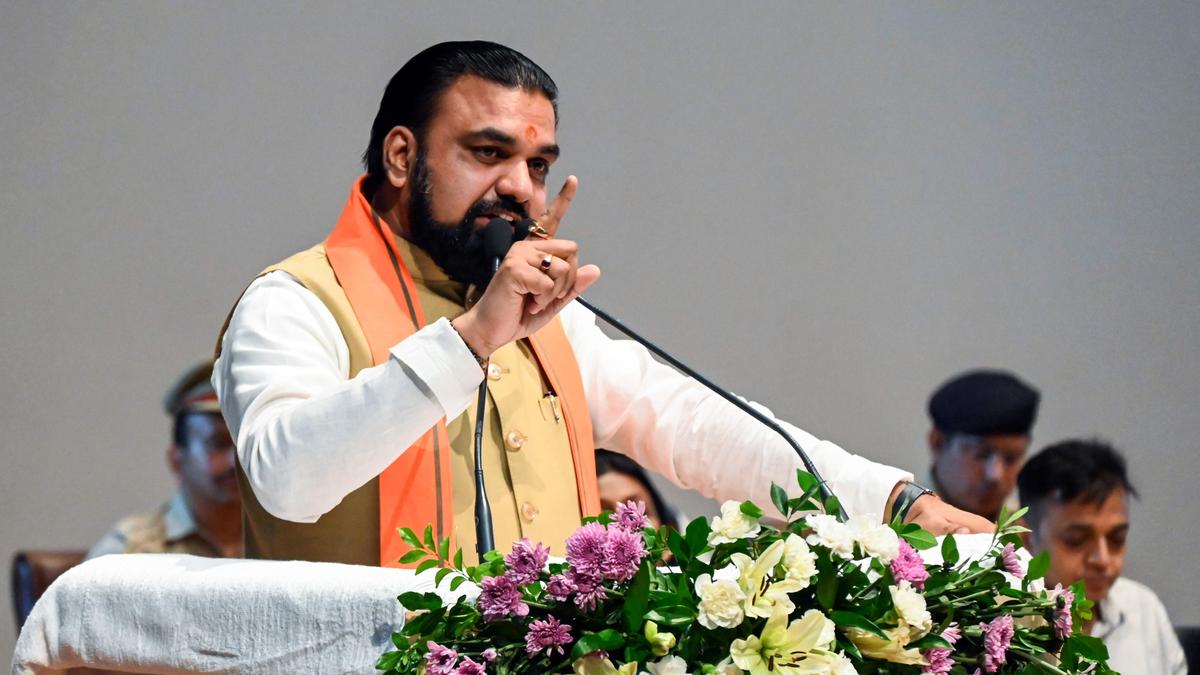
The Bihar government has announced financial aid and a job for the family of Bharat Bhushan Tiwari, who died in a 2026 police encounter. This decision follows an interim report from a judicial commission investigating allegations of a fake encounter.
The Bhojpur Encounter: Government Response and Controversy
On August 13, 2026, the Bihar government, led by Chief Minister Samrat Choudhary, announced a relief package for the family of Bharat Bhushan Tiwari. Tiwari, a 28-year-old resident of Bilauti village in the Bhojpur district, was killed during a police encounter on June 17, 2026. This administrative intervention comes exactly two months after the incident, which ignited significant public debate regarding police conduct and the rule of law in the state.
The Incident and Public Outcry
The case gained national attention after a video went viral showing Tiwari threatening local police officers with an illegal firearm. The subsequent encounter, which resulted in his death, was immediately challenged by his family and local villagers. The incident became a flashpoint for political mobilization, with opposition leaders visiting the village to allege that the police action was a "fake encounter," a term often used in Indian discourse to describe extrajudicial killings by law enforcement.
The Role of Judicial Inquiry
Following the intense pressure from civil society and political opposition, the state government initiated a judicial commission to probe the circumstances surrounding the death. The recent announcement of financial assistance and a government job for a family member is directly linked to the submission of the commission’s interim report. By tying the compensation to the findings of an independent inquiry, the government is attempting to balance administrative accountability with the need to address the grievances of the deceased's family.
Balancing Justice and Governance
While the government's move serves as a form of restitution, it has not fully quelled the controversy. Opposition voices have already characterized the assistance as insufficient, arguing that compensation should not be a substitute for a thorough investigation into potential police malpractice. This highlights a recurring tension in Indian politics: the struggle to maintain public order while ensuring that police forces operate within the strict confines of the law.
Broader Implications for Law Enforcement
This incident serves as a critical case study for police accountability in Bihar. The scrutiny placed on the Bhojpur encounter underscores the growing power of social media to document and disseminate evidence of police interactions, thereby forcing transparency in cases that might have historically remained obscure. The reliance on a judicial commission to mediate the aftermath demonstrates the state’s attempt to utilize institutional frameworks to resolve highly volatile public disputes.
Future Trends in Accountability
Looking forward, the case of Bharat Bhushan Tiwari suggests that the Bihar government will face continued pressure to reform police protocols regarding the use of force. As public awareness of civil rights grows, the demand for independent oversight in cases of police-involved deaths is likely to intensify. The government’s decision to provide aid, while significant, likely signals the beginning of a longer legal process as the judicial commission continues its work toward a final report.
Multiple Citing Sources
Verification Required?