Centre's Auditor CAG Flags E Coli In Drinking Water Across Railway Stations
Source Entity
NDTV News Search Records Found 1000
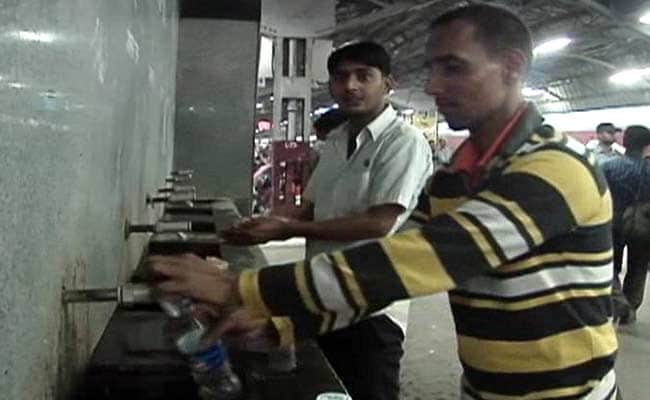
The Comptroller and Auditor General (CAG) has identified significant water quality issues, specifically E. coli contamination, across Indian railway stations. This audit, covering 2019-20 to 2023-24, highlights critical public health risks within the national transport network.
Auditor General Raises Alarm Over Railway Water Quality
A recent audit report by the Comptroller and Auditor General (CAG) of India has brought to light a concerning public health issue: the presence of E. coli bacteria in drinking water supplied at various railway stations. Covering a comprehensive audit period from 2019-20 to 2023-24, the findings underscore systemic lapses in the maintenance and quality control of water infrastructure within the national rail network.
Understanding the Scope of the CAG Audit
The CAG report is the result of a rigorous test audit conducted over four fiscal years. By evaluating water samples across different transit hubs, auditors sought to determine if the facilities provided to millions of daily passengers meet the mandatory safety standards for potable water. The identification of E. coli, a bacterium typically associated with fecal contamination, suggests that the water supply systems at these stations are either inadequately treated or compromised by external factors.
Broader Implications for Public Health
Railways in India serve as the primary mode of long-distance travel for a vast segment of the population. Consequently, contaminated water at these transit points presents a significant health hazard, potentially leading to outbreaks of waterborne diseases such as diarrhea, cholera, and typhoid. The presence of such pathogens indicates that existing filtration and monitoring protocols are failing to provide a safe environment for commuters who rely on these stations for their daily hydration needs.
Historical Context and Infrastructure Maintenance
Historically, the Indian Railways has faced challenges in managing the sheer scale of its utility infrastructure. The audit period of 2019-20 to 2023-24 is particularly relevant, as it encompasses both the operational disruptions caused by the global pandemic and the subsequent push for station modernization. The CAG findings suggest that while physical infrastructure projects may be progressing, the critical oversight of basic sanitary services has not kept pace, necessitating a shift toward more robust, automated water quality monitoring systems.
Future Trends and Necessary Remediation
Looking ahead, the Indian Railways will likely face increased pressure to implement stringent, real-time testing protocols to regain public trust. The CAG report serves as a catalyst for administrative reform, likely prompting the Ministry of Railways to prioritize the overhaul of water supply pipelines and treatment plants. Future trends will likely involve the integration of IoT-based water quality sensors to provide continuous oversight, moving away from intermittent manual testing to ensure immediate detection of contaminants.
Conclusion
The CAG's revelation regarding E. coli contamination is a critical wake-up call for the authorities managing India’s extensive rail network. Ensuring safe drinking water is a fundamental requirement of public service, and the findings mandate a swift, transparent, and effective response. By addressing these systemic failures, the Railways can mitigate health risks and uphold the safety standards expected by millions of passengers.
Verification Required?