Busted by a secret video: 2 Bihar GRP cops hold back seized liquor, arrested
Source Entity
Latest News: Todays Latest News Headlines from India & World | Hindustan Times | Hindustan Times
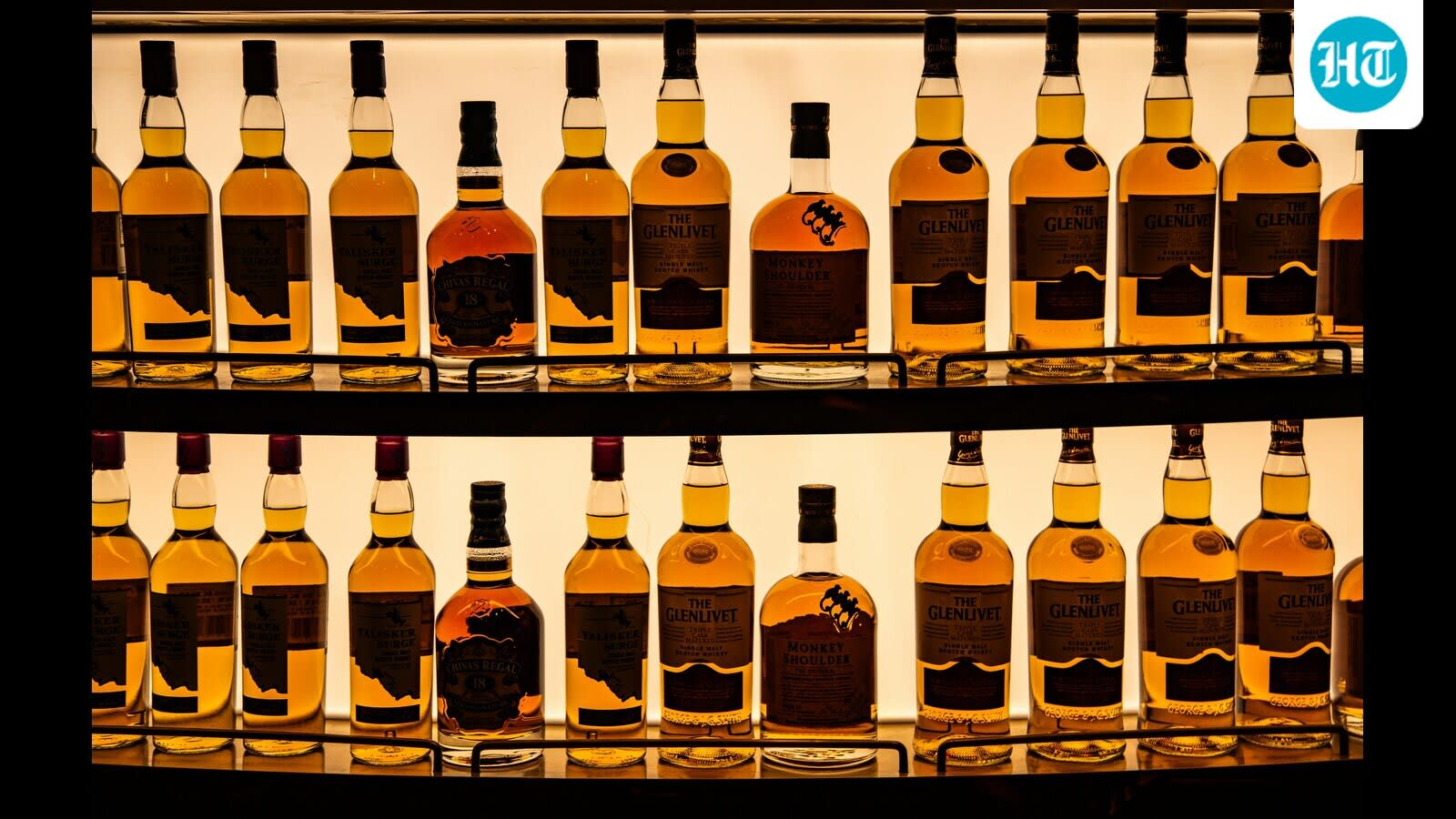
Ten years after Bihar's total liquor ban, authorities are facing a rising crisis of illicit narcotics replacing smuggled alcohol. Law enforcement is struggling to contain this shift as traffickers utilize smaller, harder-to-detect contraband, complicating the state's long-standing prohibition efforts.
The Unintended Evolution of Bihar's Prohibition
Ten years after the implementation of total prohibition in Bihar in April 2016, the state finds itself at a critical juncture. While the government’s stated intent was to curb alcohol consumption and improve public health, the enforcement landscape has become increasingly complex. Official data reveals a staggering scale of intervention, with over 3.16 crore litres of liquor seized and 7.15 lakh arrests recorded over the last decade. This equates to an average of 8,650 litres seized and 196 arrests daily, highlighting the immense strain placed on the state police force.
The Shift from Bottles to Vials
Beyond the well-documented struggle to intercept smuggled alcohol, a more insidious trend has emerged: the rapid growth of an illicit narcotics market. As law enforcement became adept at detecting liquor in trains, tankers, and unconventional consignments, traffickers have pivoted to compact, high-value contraband. The current market now includes heroin, brown sugar, synthetic pills, and a local variant known as 'kota'. Unlike bulky liquor shipments, these substances are easily concealed in soap boxes, small packets, or even within clothing folds, creating a significant detection challenge for authorities.
Challenges in Police Enforcement
This transformation in the illegal goods market has forced the Bihar police to reconsider their tactical approach. The shift from bulky contraband to pocket-sized narcotics requires a different set of investigative skills and intelligence-gathering methods. The difficulty of this transition is underscored by incidents of internal corruption, such as the recent arrest of two GRP personnel at Hajipur Junction. These officers were caught after a passenger filmed them seizing 36 bottles of liquor—items they failed to report, proving that the culture of illicit trade remains a persistent challenge within and outside the force.
The Human and Social Impact
Social workers and medical professionals are observing the devastating consequences of this shift on the ground. As the availability of traditional alcohol is challenged, the vacuum is being filled by more potent and dangerous chemical substances. The portability of these new narcotics makes them more accessible to the youth and vulnerable populations, potentially leading to a new wave of addiction that is harder to treat and monitor than alcohol dependency.
Future Trends and Policy Implications
As the state looks toward the future, the primary challenge lies in bridging the gap between prohibition policy and the reality of an evolving illicit market. Experts suggest that the current enforcement-heavy strategy may need to be supplemented with robust rehabilitation programs and a deeper understanding of the shifting supply chains. Without a comprehensive adaptation to the rise of narcotics, Bihar risks replacing a liquor crisis with a more complex and lethal drug epidemic, necessitating a more nuanced approach to public safety and law enforcement.
Verification Required?