At least 34 children fall ill after detergent served instead of salt in Bihar school’s midday meal
Source Entity
India Latest News: Top National Headlines Today & Breaking News | The Hindu
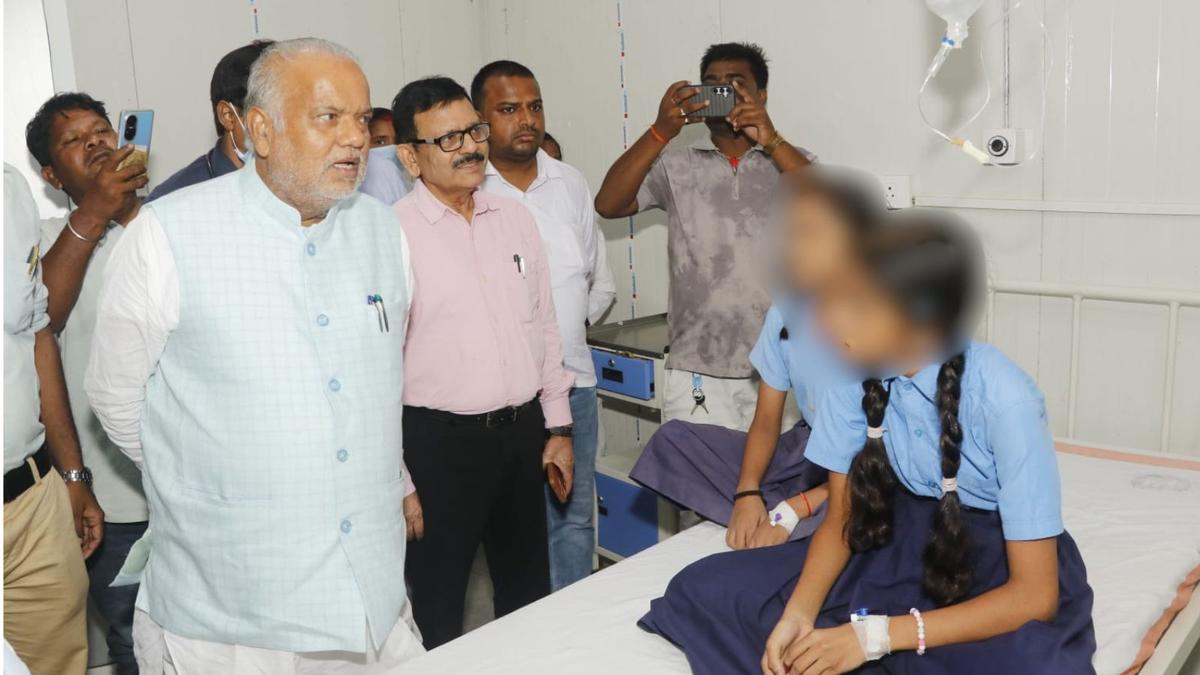
At least 34 students in Bihar's Nalanda district were hospitalized following a midday meal incident involving the accidental use of detergent instead of salt. Local authorities have confirmed all children are in stable condition while investigating the cause of the food poisoning.
Food Safety Crisis at Parsa Middle School
A distressing incident occurred at the Parsa Middle School in the Nalanda district of Bihar on August 18, 2026, where at least 34 students fell ill after consuming a midday meal. The children reported a severe burning sensation in their throats and acute stomach pain shortly after eating a lunch consisting of rice and a vegetable dish made of potatoes and soybeans. The immediate onset of these symptoms led to widespread panic among students and staff, necessitating the urgent transport of the affected children to a government hospital in Biharsharif.
Medical Response and Official Stance
Upon arrival at the medical facility, the children were treated for what medical professionals identified as food poisoning. Nalanda Civil Surgeon Jai Prakash Singh provided a reassuring update, confirming that the condition of all 34 hospitalized students is currently stable and that they are expected to recover fully. Despite the gravity of the situation, the District Education Officer (DEO) has reportedly dismissed some of the broader claims surrounding the incident, though the investigation into the specific lapses in kitchen safety continues.
The Human Element: Testimonies of Negligence
Central to the investigation are the firsthand accounts of the victims. Priti Kumari, one of the students affected, noted that after consuming the meal, the distinct odor of detergent powder was noticeable in the food. This detail suggests a significant breakdown in the storage and preparation protocols of the midday meal scheme. The confusion between cleaning agents and food ingredients points toward critical failures in organizational oversight and pantry management within the school environment.
Broader Implications for Midday Meal Schemes
This event highlights the persistent vulnerabilities within India's Midday Meal (MDM) program, which is designed to provide nutritional support to millions of schoolchildren. When protocols regarding the segregation of chemicals and edible supplies are neglected, the program—intended to boost enrollment and health—becomes a source of public health crises. The incident in Nalanda serves as a stark reminder that infrastructure for food storage must be rigorously audited to prevent such life-threatening errors.
Systemic Challenges and Future Oversight
While the children in this specific case are stable, the incident raises questions about the training provided to kitchen staff and the frequency of health inspections in rural schools. Moving forward, the Bihar education department faces pressure to implement stricter inventory management systems where cleaning supplies are stored in facilities entirely separate from food preparation areas. Ensuring the safety of students requires not just the provision of meals, but the institutionalization of a 'zero-error' policy in kitchen handling.
Conclusion
As the community in Nalanda recovers from this scare, the focus must shift toward accountability and the implementation of robust safety protocols. The health of the 34 children is the primary priority, but the long-term integrity of the midday meal program depends on the administration's ability to learn from this failure and prevent future instances of contamination. Continued vigilance and the adoption of standardized safety training for all school kitchen personnel are essential steps to restoring trust in the school feeding system.
Verification Required?