Surrounded by energy crises, Bihar eyes Rs 1.38 lakh crore solar investment
Source Entity
Santosh Singh
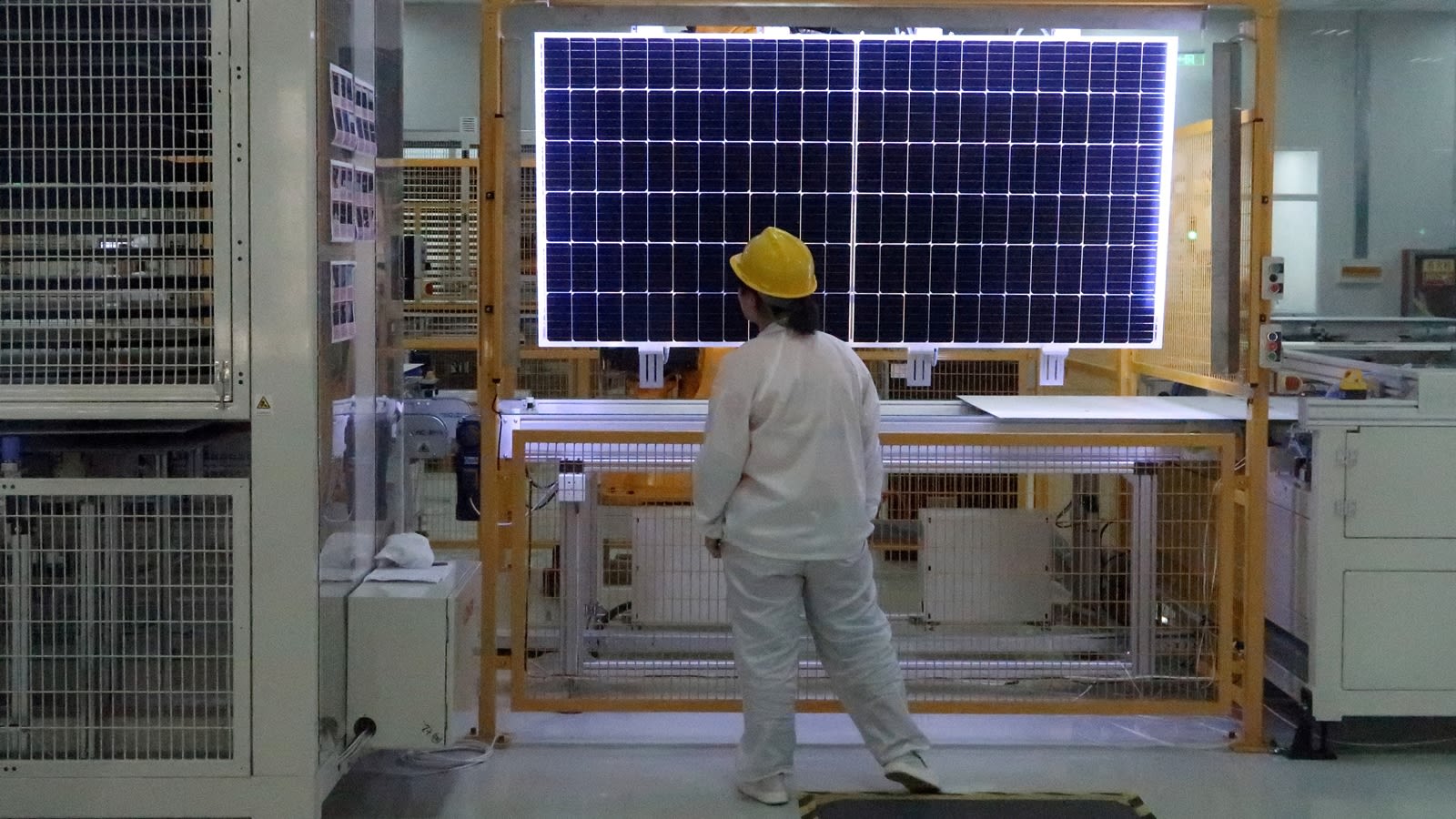
Bihar is aggressively pivoting toward solar energy to combat severe fiscal deficits caused by high power purchase costs and extreme seasonal demand. The state aims to install 24 GW of renewable capacity by 2030 to achieve energy self-reliance.
Bihar's Strategic Pivot: A New Era for Renewable Energy
Bihar is currently navigating a precarious energy landscape, characterized by a structural mismatch between domestic generation and soaring demand. With peak summer electricity requirements reaching approximately 9,500 MW—nearly 17 times the state's internal generation capacity—the government is shifting its focus toward a massive solar energy expansion. By setting a target of 24 GW of renewable energy and 6 GWh of storage systems by 2030, the state is attempting to decouple its grid stability from external market volatility.
The Fiscal Burden of Power Procurement
The urgency of this transition is rooted in a severe fiscal imbalance. Despite generating over Rs 19,000 crore in revenue from consumers in the 2025–26 period, the state consistently spends between ₹25,000 crore and ₹35,000 crore annually to procure power from external sources. This reliance on imported electricity, often at high prices, has created a debilitating financial drain. Furthermore, the state’s commitment to providing 125 units of free power to 1.89 crore of its 2.2 crore consumers incurs an additional annual cost of Rs 3,800 crore, necessitating a more sustainable, decentralized energy model.
Scaling Infrastructure for Sustainability
The proposed Rs 1.38 lakh crore investment represents a transformative attempt to rectify these systemic issues. By building local capacity, Bihar aims to mitigate the risks associated with the high cost of external power purchase agreements (PPAs). Integrating 6 GWh of energy storage systems is a critical component of this plan, as it addresses the intermittent nature of solar power, ensuring that the state can manage peak loads during the sweltering summer months when demand frequently hits the 7,300 to 7,400 MW daily average.
Economic Implications and Long-Term Trends
If successful, this investment could fundamentally alter Bihar's economic trajectory. Reducing the dependence on expensive external power will free up significant capital that can be redirected toward infrastructure and social welfare. The scale of the 24 GW target suggests that Bihar is positioning itself as a central player in India’s broader green energy transition, moving away from a deficit-ridden utility model toward a self-sustaining grid.
Challenges and Future Outlook
The path to 2030 will require not just capital, but rigorous execution in land acquisition and grid modernization. While the financial burden of current subsidies is substantial, the long-term cost-benefit analysis favors the transition to solar. As the state balances its social mandate of providing affordable electricity with the harsh realities of its fiscal deficit, this solar-centric approach serves as a blueprint for other resource-constrained states in India to achieve energy independence.