CSMT revamp may further hit long-distance trains
Source Entity
Latest News: Todays Latest News Headlines from India & World | Hindustan Times | Hindustan Times
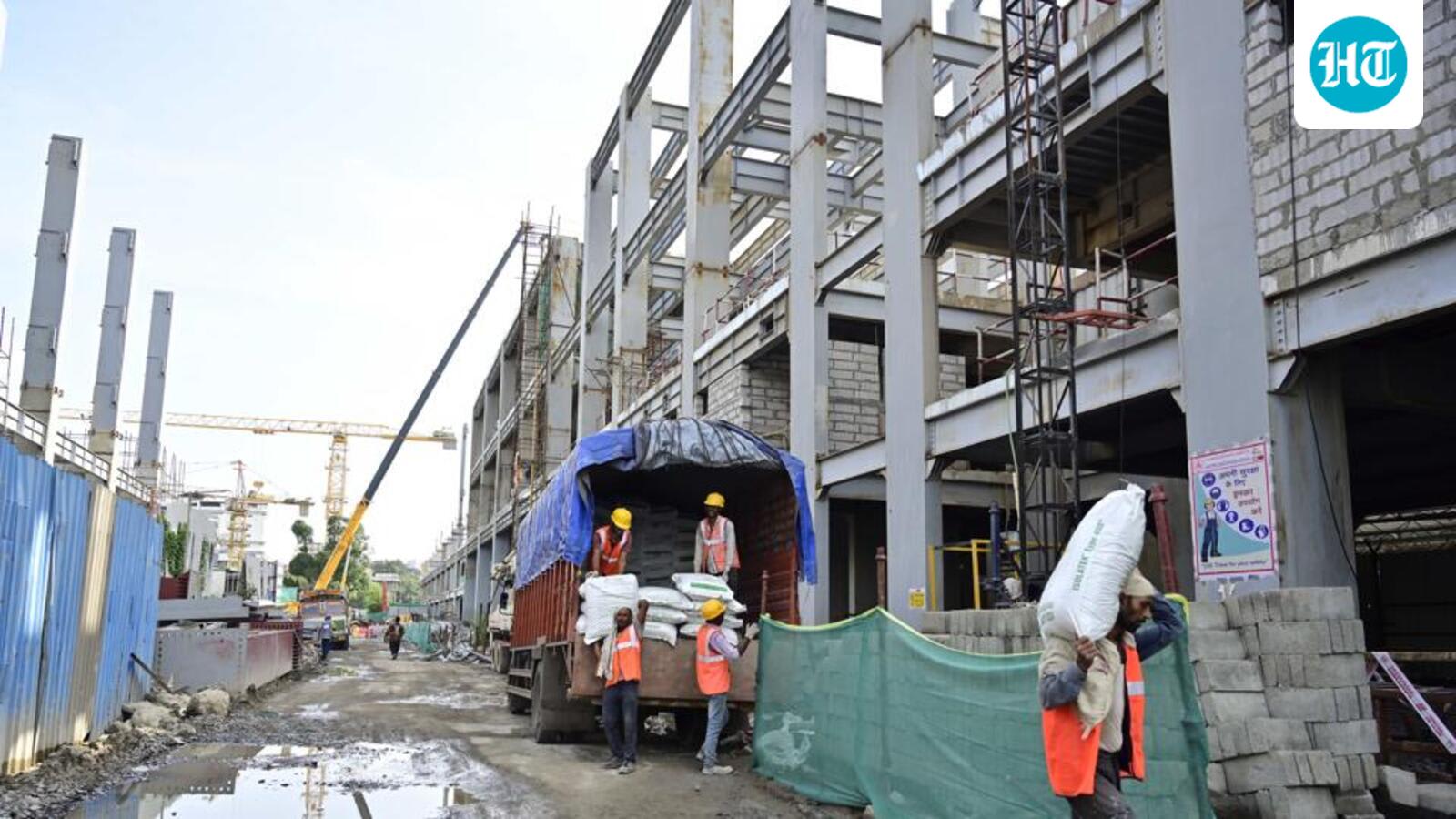
The redevelopment of Mumbai's CSMT station has sparked a standoff between the RLDA and Central Railway regarding platform closures. Disagreements over which platforms to shut are currently threatening to further disrupt long-distance train operations.
The CSMT Redevelopment Dilemma
The ambitious redevelopment of the historic Chhatrapati Shivaji Maharaj Terminus (CSMT) in Mumbai has hit a significant operational hurdle. As the Rail Land Development Authority (RLDA) pushes forward with the modernization project, a sharp disagreement has emerged between them and the Central Railway (CR) over the tactical closure of station platforms. This conflict centers on the logistics of construction versus the necessity of maintaining passenger throughput in one of India's busiest transit hubs.
Operational Strains and Platform Closures
Since February 1, the unavailability of platforms 16 and 17 has already forced the Central Railway to short-terminate between 10 and 14 long-distance trains at Dadar and Thane stations. This measure, while necessary for the ongoing construction, has highlighted the fragility of the terminus's current capacity. The RLDA is now proposing the closure of platforms 14 and 15 to expedite further construction phases, a move that the Central Railway is actively resisting.
The Central Railway Perspective
Central Railway officials have expressed deep concern that shuttering additional platforms will lead to severe operational gridlock. Their position is that platforms 16 and 17 must be fully restored and operational before any further closures are authorized. The railway authorities are prioritizing the stability of existing long-distance services, fearing that the cumulative effect of platform unavailability will cause cascading delays across the entire network.
Broader Implications for Mumbai Transit
CSMT serves as a vital artery for both suburban and long-distance rail travel. Any disruption at this terminus does not merely affect a single station; it ripples through the suburban network, impacting thousands of commuters. The tension between the RLDA’s infrastructure goals and the Central Railway’s operational mandates reflects the complex challenge of upgrading colonial-era infrastructure while maintaining 24/7 service levels in a high-density urban environment.
Historical Context and Future Trends
As a heritage site, CSMT presents unique engineering challenges, requiring a delicate balance between preservation and modernization. The current friction is indicative of the broader difficulties India faces in retrofitting aging rail assets to meet 21st-century demands. Moving forward, the success of the redevelopment will depend on the ability of these two agencies to coordinate a phased construction strategy that minimizes public inconvenience while ensuring the terminal remains functional.
Conclusion
The ongoing clash between the RLDA and the Central Railway highlights the critical trade-offs involved in large-scale infrastructure projects. Until a compromise is reached regarding the sequence of platform closures, the daily operations of long-distance rail services will remain in a state of uncertainty. Effective communication and synchronized planning between the construction authorities and railway operators are essential to prevent further deterioration of service quality for Mumbai's long-distance passengers.
Verification Required?