Only after officers are asked to appear that many reports are submitted: NHRC chief
Source Entity
The Indian Express
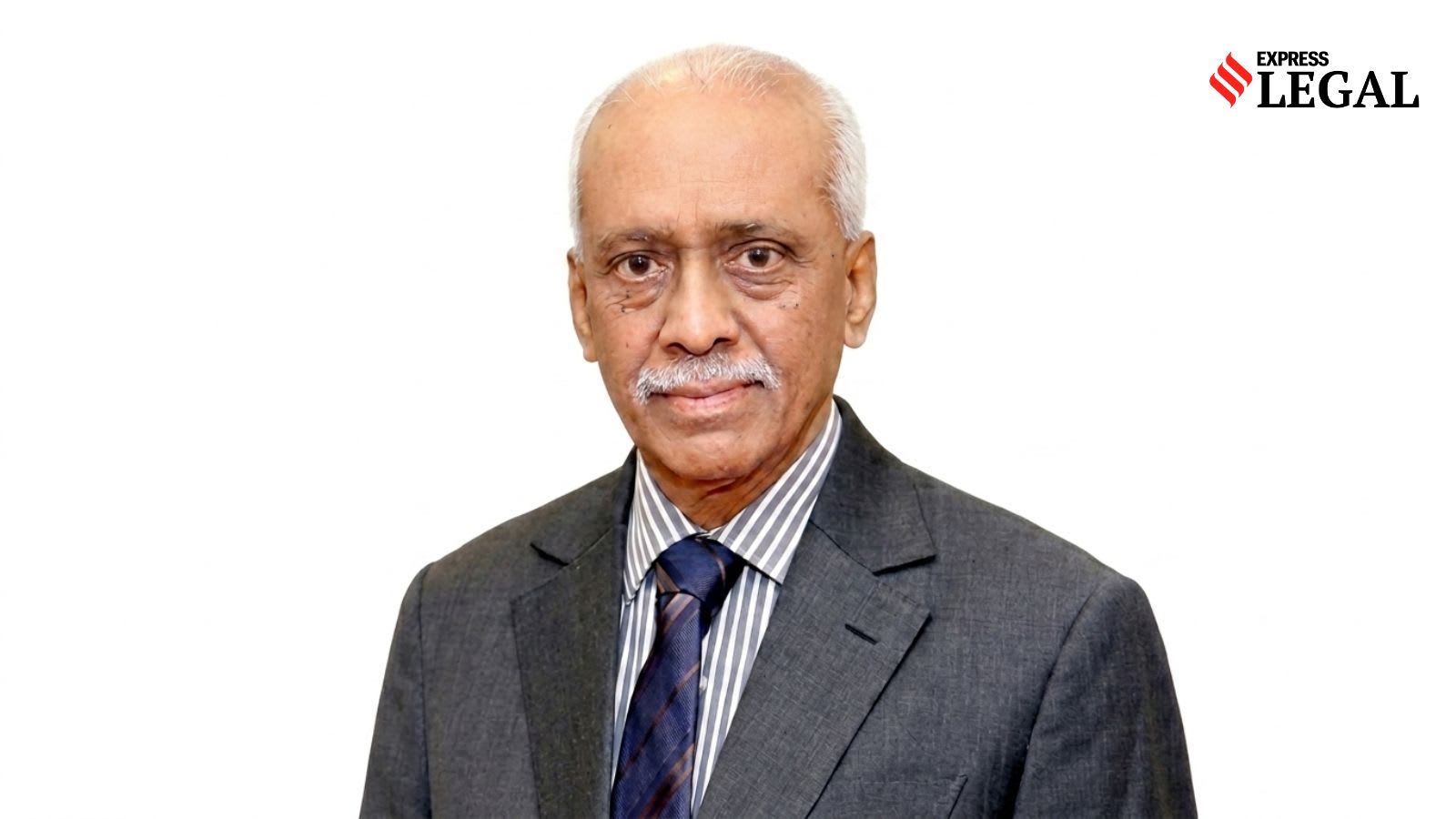
NHRC Chairperson Justice V Ramasubramanian has criticized the systemic delays in government agencies submitting Action Taken Reports. He noted that officials often ignore initial deadlines, requiring further summons to elicit responses.
Systemic Delays in Human Rights Oversight
The National Human Rights Commission (NHRC) has recently highlighted a recurring administrative bottleneck that threatens the efficacy of human rights oversight in India. Justice V Ramasubramanian, the Chairperson of the NHRC, recently remarked that government bodies across the country consistently fail to adhere to the initial timelines provided for filing Action Taken Reports (ATR). This systemic inertia undermines the Commission’s ability to provide timely justice for aggrieved citizens.
The Failure of Initial Compliance
According to the Chairperson, the NHRC typically grants a window of two to four weeks for authorities to submit an ATR following an initial notice. However, Justice Ramasubramanian noted that this deadline is routinely ignored. It is only when the Commission is forced to escalate matters—by specifically summoning officers to appear before the body—that the necessary documentation is finally produced. This pattern suggests a culture of administrative apathy that treats human rights complaints as secondary priorities.
Impact on Case Disposal
These delays have a cascading effect on the Commission's operational efficiency. The primary function of the NHRC is to act as a watchdog, yet its ability to function is predicated on the cooperation of state and central agencies. When reports are delayed, cases are subjected to unnecessary adjournments. This not only prolongs the suffering of those seeking redress but also creates a significant backlog, hampering the Commission’s capacity to address new grievances with the urgency they require.
The Significance of Open Hearings
Justice Ramasubramanian’s comments were made during a visit to Gujarat, where he, alongside NHRC Members Dr. Justice Bidyut Ranjan Sarangi and Vijaya Bharathi Sayani, conducted open hearings at the National Forensic Sciences University (NFSU). These open hearings serve as a critical mechanism for the NHRC to engage directly with local authorities and victims, bypassing the slow-moving bureaucratic correspondence that usually defines the Commission's work. By holding these hearings, the NHRC attempts to bring accountability directly to the state level.
Broader Implications for Governance
The frustration expressed by the NHRC leadership points to a deeper issue regarding the accountability of public servants. When statutory bodies like the NHRC are forced to rely on the threat of personal appearance to extract basic reports, it raises questions about the respect afforded to human rights frameworks within the administrative machinery. If this trend continues, the NHRC may need to explore more stringent punitive measures or systemic reforms to ensure that its notices are treated with the legal gravity they demand.
Future Outlook
Moving forward, the Commission faces the challenge of balancing its role as a facilitator of justice with the need to enforce strict compliance. If the NHRC continues to be met with non-compliance, it may lead to a more assertive stance from the leadership, potentially involving increased use of its powers to issue summons. Ultimately, the effectiveness of India’s human rights apparatus depends on the willingness of the state to prioritize accountability over administrative convenience.