'Racism in India?’: Foreigner questions higher entry fee for foreign tourists at Dilli Haat, sparks discussion
Source Entity
Latest News: Todays Latest News Headlines from India & World | Hindustan Times | Hindustan Times
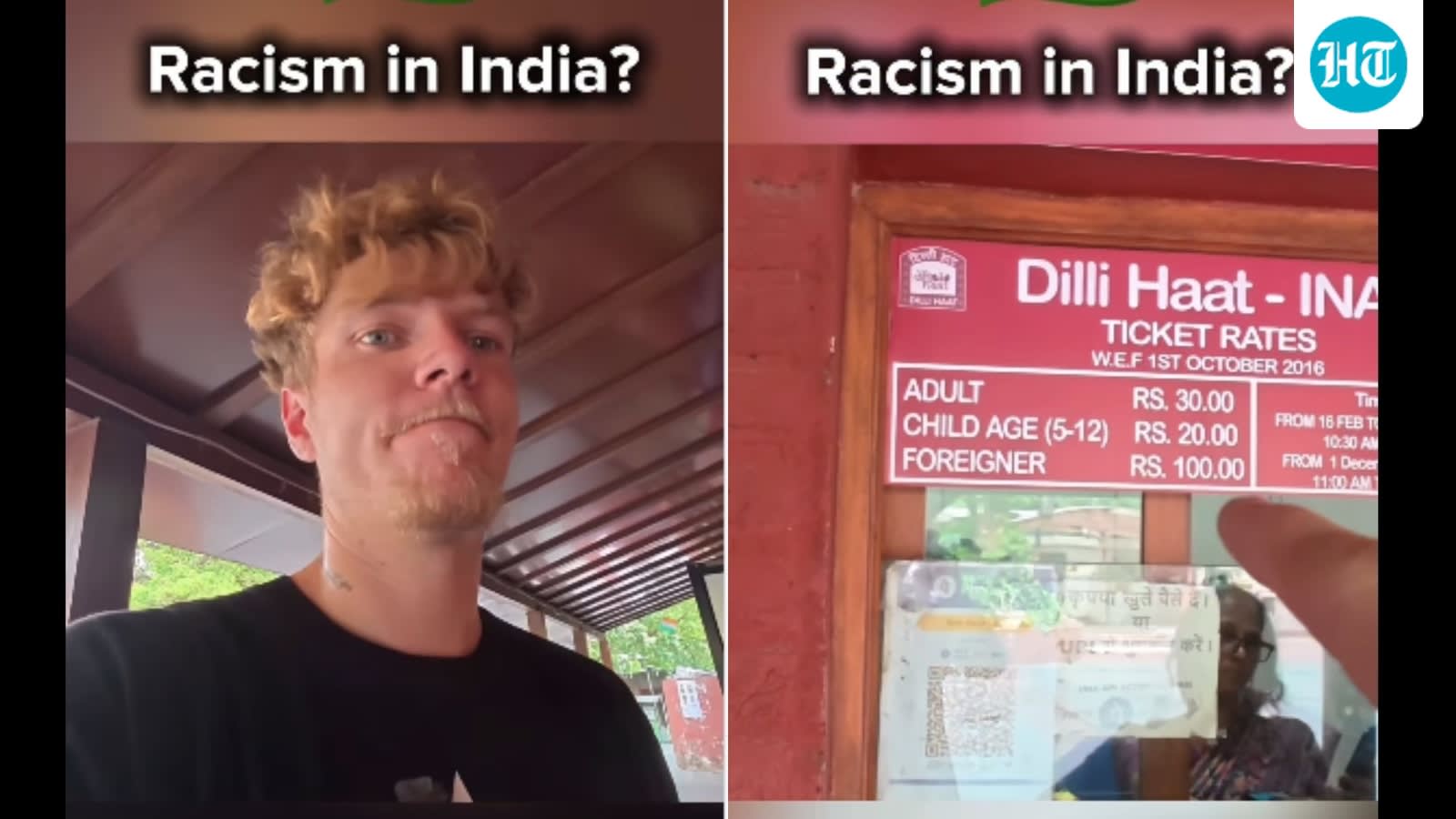
A video of a tourist questioning the dual-pricing system at Dilli Haat has triggered a viral debate on social media. The discussion contrasts local pricing policies with international standards of non-discrimination.
The Dilli Haat Pricing Controversy: A Clash of Perspectives
A recent viral video featuring tourist Tyler Blunden at Dilli Haat, Delhi, has ignited a spirited public debate regarding the ethics of dual-pricing structures in India. In the footage, Blunden highlights a significant discrepancy in entry fees: while Indian adults are charged ₹30 and children ₹20, international visitors are required to pay ₹100. Blunden’s commentary, which labels this practice as "racism" by comparing it to potential scenarios in the UK, has served as a catalyst for a broader discussion on tourism economics and cultural perception.
Understanding the Economic Rationale
Historically, many developing nations, including India, have implemented tiered pricing systems for public sites, monuments, and cultural hubs. The primary justification for these higher fees for foreigners is often pegged to the relative purchasing power parity and the need to subsidize maintenance costs for local citizens. By charging international tourists more, authorities aim to generate higher revenue from those with greater disposable income, while ensuring that the heritage and cultural spaces remain accessible to the local population who might otherwise be priced out.
The Global Context of Dual Pricing
While Blunden characterizes the pricing as discriminatory, similar practices are not entirely unique to India. Many countries employ differential pricing for international students, museum visitors, and public transit users. However, the controversy arises from the terminology used—specifically the accusation of "racism." This highlights a fundamental cultural disconnect where the policy is viewed by officials as an economic tool, while international visitors may perceive it as an exclusionary barrier based on nationality.
Social Media and the Polarization of Opinion
Following the circulation of the video, social media platforms have become a battleground for opposing viewpoints. Many users have defended the practice, arguing that it is a standard administrative procedure for managing tourism revenue in developing economies. Conversely, others agree with the tourist's sentiment, suggesting that such "tourist taxes" can leave international visitors feeling exploited or unwelcome, potentially impacting the overall brand image of Indian tourism.
Broader Implications for Tourism Policy
This incident forces a critical re-evaluation of how India presents its pricing structures to the global community. As India continues to strive for higher international tourist arrivals, the perception of fairness becomes increasingly important. If a policy is perceived as discriminatory, it risks overshadowing the positive experiences tourists have while visiting cultural landmarks like Dilli Haat. Policymakers may soon need to decide whether the revenue benefits of dual pricing outweigh the potential reputational costs in an age of viral social media critiques.
Conclusion: Moving Toward Transparency
Ultimately, the debate sparked by the Dilli Haat incident is less about the specific monetary amount and more about the transparency of policy. Whether or not one agrees with the ethics of the pricing, the incident underscores a need for clearer communication at tourist sites regarding the rationale behind such fees. By framing these charges as an investment in infrastructure rather than a discriminatory tax, tourism authorities might mitigate the backlash and foster a more inclusive environment for visitors from around the globe.
Verification Required?