Five, including four kids killed in separate wall collapses in UP
Source Entity
Latest News: Todays Latest News Headlines from India & World | Hindustan Times | Hindustan Times
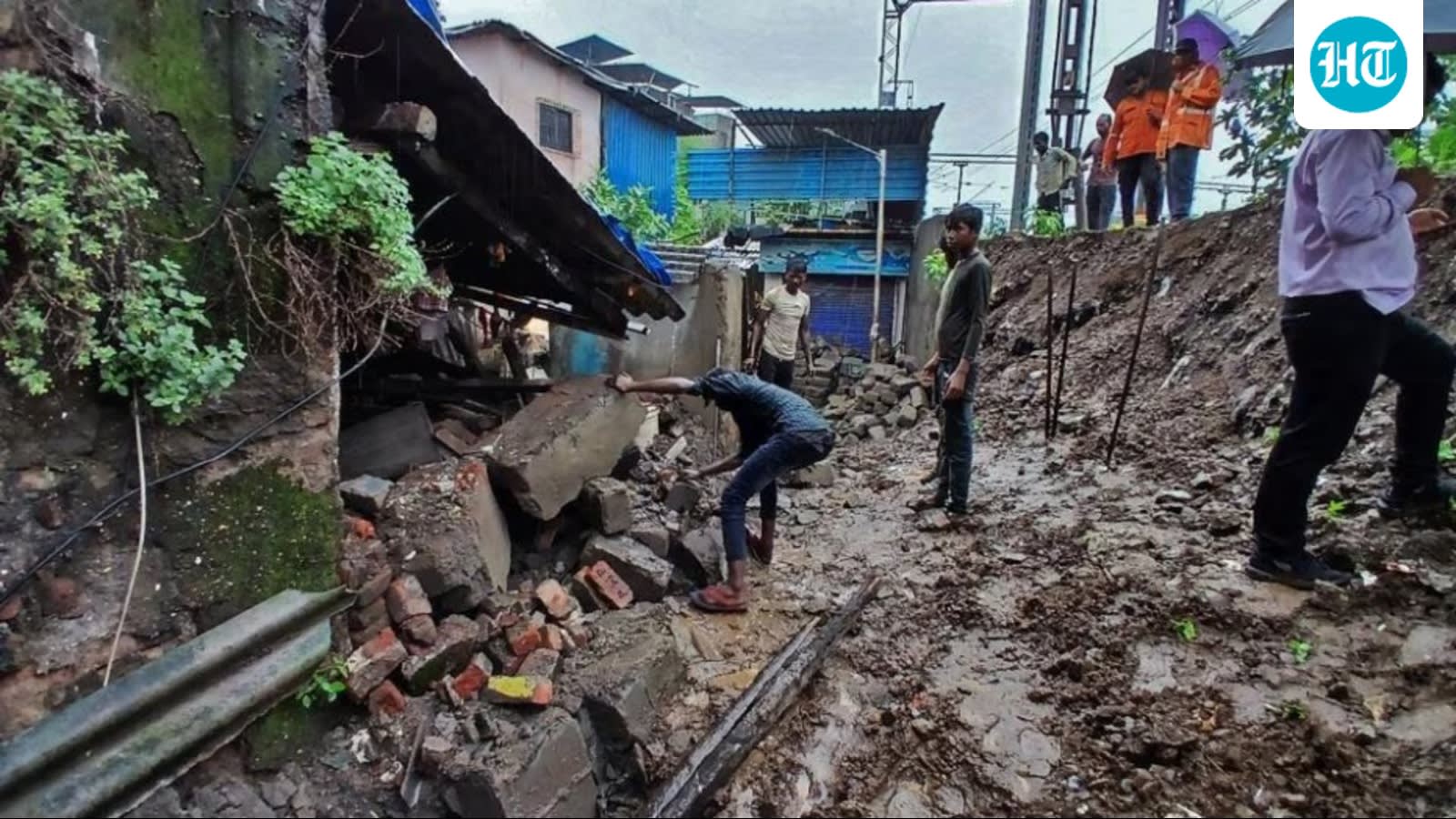
Two separate wall collapse incidents in Uttar Pradesh's Chitrakoot and Kanpur Dehat districts resulted in five deaths, primarily involving young children. Local authorities and residents are actively engaged in ongoing rescue operations for the injured survivors.
Tragedy Strikes Uttar Pradesh: Multiple Wall Collapse Incidents
A series of tragic structural failures occurred late Wednesday night in Uttar Pradesh, resulting in the loss of five lives across the districts of Chitrakoot and Kanpur Dehat. In Barachh village, located within the Karwi police station jurisdiction of Chitrakoot, a residential wall collapse claimed the lives of 32-year-old Kallu Yadav and his two young children, five-year-old Ansh and one-year-old Kalli. Simultaneously, a separate incident in Kanpur Dehat resulted in the deaths of two children and left their father in critical condition.
The Impact of Environmental and Structural Vulnerability
In the Chitrakoot incident, the family was asleep when the wall of their home, situated at the foothills of a local range, gave way. The geographic placement of dwellings near hilly terrain often complicates structural stability, as soil erosion and shifting foundations can weaken masonry over time. This incident highlights the acute vulnerability of rural housing structures that may not be engineered to withstand sudden shifts in environmental conditions or heavy precipitation often associated with structural collapses in the region.
Rescue Efforts and Community Response
The immediate aftermath of these collapses saw a swift response from the local community. In Barachh village, neighbors who heard the cries of the victims rushed to the scene to initiate manual rescue efforts, working to pull survivors from the debris before official emergency services could fully mobilize. The survival of Kunta Devi and her daughter Anshika, who were rushed to the district hospital with serious injuries, serves as a testament to the life-saving potential of rapid community intervention in rural areas where professional emergency response times may be delayed by geography.
Broader Implications for Rural Infrastructure
These incidents underscore a persistent challenge in rural India: the safety and integrity of low-cost housing. Many homes in these regions are constructed with materials that are susceptible to damage from moisture, vibration, or lack of proper reinforcement. When walls collapse, they often do so without warning, posing an extreme risk to residents, particularly children and those asleep. The loss of life in these instances is a stark reminder of the need for improved housing safety awareness and structural audits for vulnerable settlements.
Future Trends and Safety Oversight
Looking forward, local administrations will likely face increased pressure to conduct safety assessments in regions prone to such disasters. While individual tragedy is often localized, the frequency of wall collapse reports during extreme weather or shifting seasons suggests a systemic need for disaster mitigation programs. Future initiatives may focus on educating rural populations on reinforcing load-bearing walls and identifying high-risk structural cracks, potentially utilizing government housing schemes to provide safer, more resilient materials to those living in high-risk zones.
Conclusive Summary
The events in Chitrakoot and Kanpur Dehat are painful reminders of the fragility of rural infrastructure. As rescue operations continue and the survivors receive medical care, the focus must shift toward understanding the structural failures that led to these losses. Preventing future occurrences will require a multifaceted approach involving community vigilance, improved construction standards, and proactive government intervention to ensure that homes, the most fundamental place of safety, do not become sites of tragedy.
Verification Required?