Ambulance Abandoned, Kerala Villagers Carry Patients Through Forests
Source Entity
NDTV News Search Records Found 1000
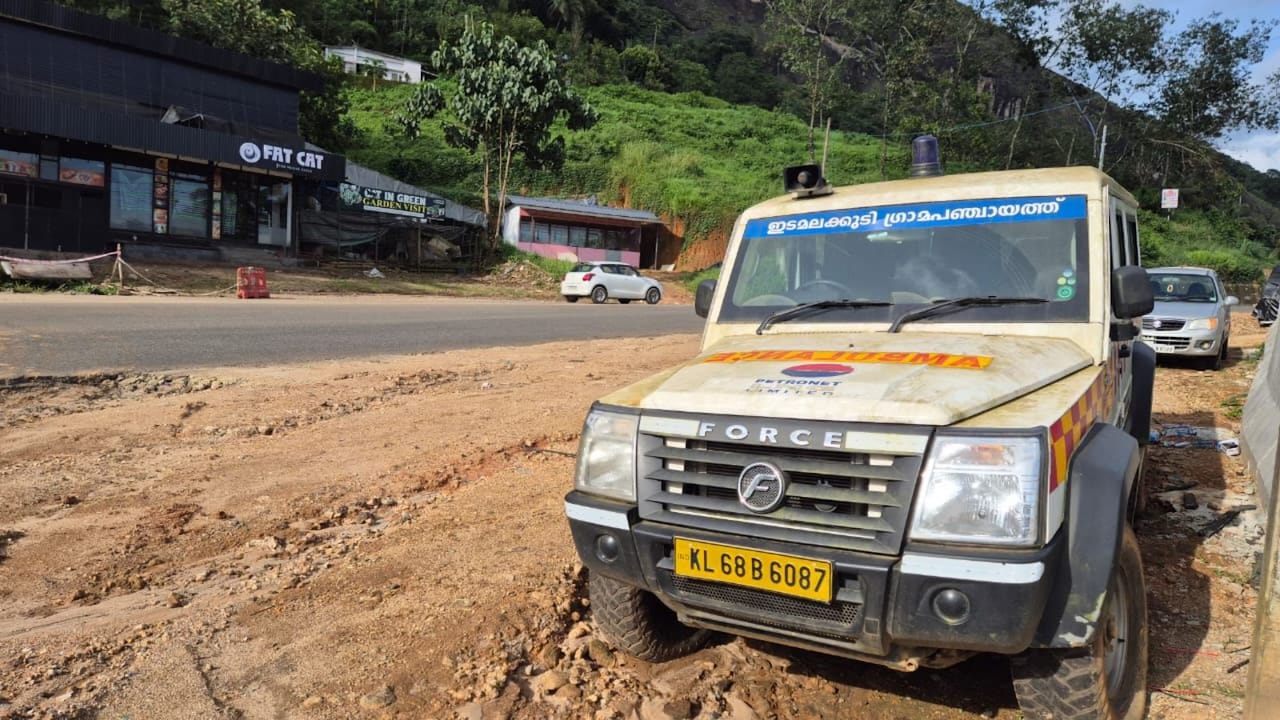
Residents of Kerala's only exclusively tribal Gram Panchayat were forced to carry patients through forests after their vital ambulance service was abandoned. This incident highlights critical gaps in healthcare accessibility for remote indigenous communities.
A Crisis of Access: The Collapse of Tribal Healthcare
The recent report regarding the abandonment of the sole ambulance service in Kerala's only exclusively tribal Gram Panchayat serves as a stark indictment of the structural barriers facing India’s indigenous populations. For these remote residents, an ambulance is not merely a vehicle; it is a critical lifeline that bridges the gap between survival and tragedy. The abandonment of this service has effectively severed the community's primary link to emergency medical intervention.
The Geography of Exclusion
Living in a Gram Panchayat defined by its tribal exclusivity often means inhabiting regions characterized by difficult terrain and isolation. When the ambulance—the only reliable mode of transport for medical emergencies—is removed or becomes non-functional, the burden of care shifts immediately to the villagers. Forced to manually transport patients through dense forest trails, these citizens face a physical and logistical ordeal that underscores the profound inequality in regional healthcare infrastructure.
Historical Context and Policy Failure
Historically, tribal areas in India have struggled with the 'last-mile' connectivity problem. While national and state-level health missions aim to provide universal coverage, the implementation often falters in geographically challenging zones. The reliance on a single vehicle for an entire community suggests a precarious system that lacked redundancy. When that single point of failure occurs, the entire public health safety net for the Gram Panchayat collapses, leaving vulnerable populations to fend for themselves.
Broader Implications for Public Health
This incident highlights a broader trend where administrative oversight and maintenance failures disproportionately impact marginalized groups. In the context of Kerala, a state often lauded for its high literacy and health indicators, this failure is particularly jarring. It suggests that despite overall progress, rural and tribal pockets remain susceptible to significant service gaps, where the promise of public healthcare is undermined by the lack of sustained operational support.
Future Trends and Necessary Interventions
To prevent future occurrences, the state must move beyond reactive measures. A sustainable solution requires decentralized emergency response systems that do not rely on a single, vulnerable vehicle. Future policy trends must emphasize integrating local community knowledge with modernized transport infrastructure, perhaps utilizing all-terrain emergency medical units or community-based volunteer networks trained in first response to mitigate the dangers of forest transit.
Conclusion
The sight of villagers carrying their own sick through the forest is a powerful symbol of resilience in the face of institutional failure. While the community’s efforts are commendable, the abandonment of their ambulance is a systemic failure that requires urgent corrective action from local and state authorities to restore the dignity and safety of these tribal residents.
Verification Required?