In Bihar, women learn to demand health care
Source Entity
Latest News: Todays Latest News Headlines from India & World | Hindustan Times | Hindustan Times
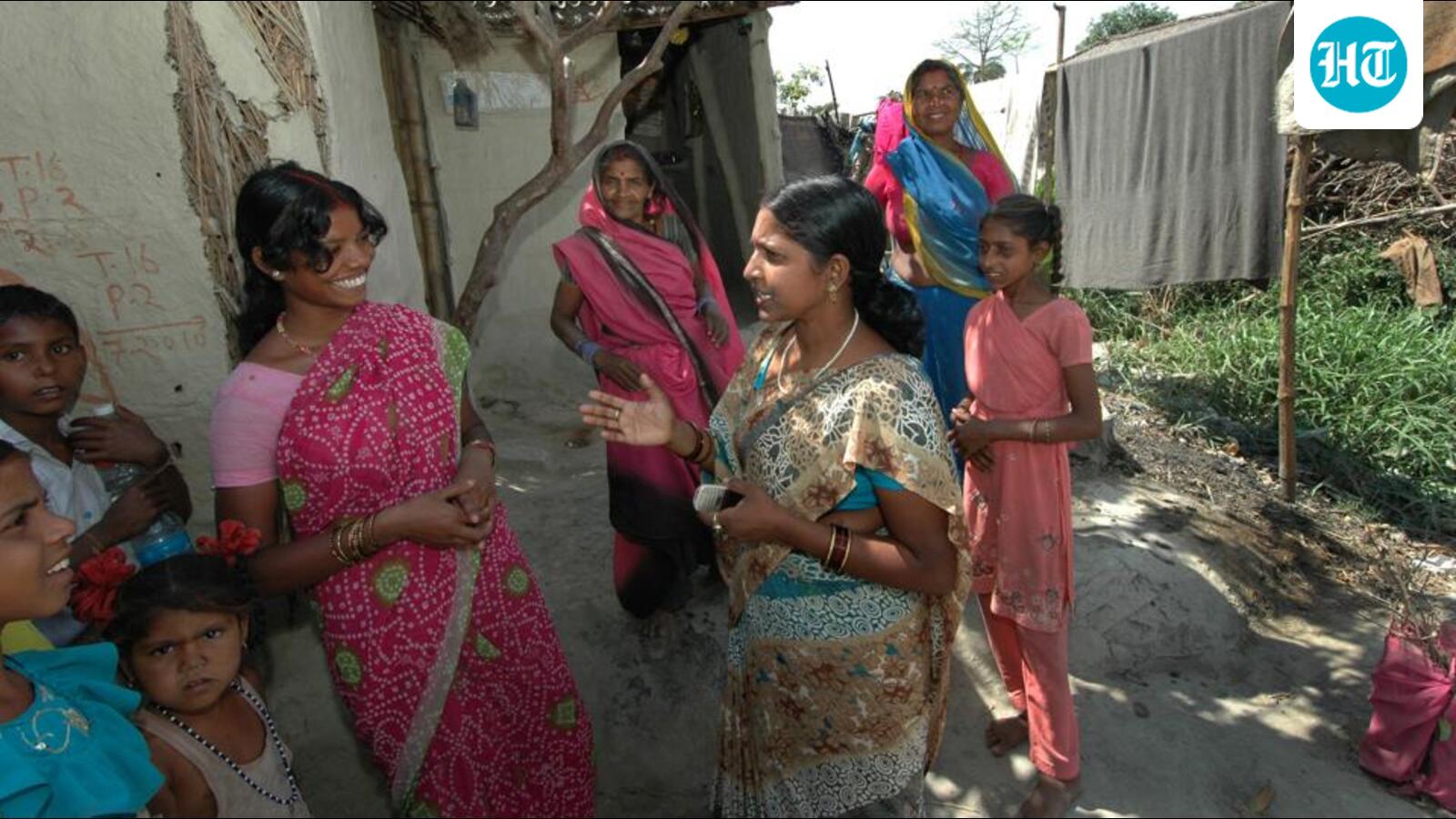
Women in Bihar are increasingly advocating for their own health rights, bridging gaps between public services and the community. This shift, supported by frontline health workers, aims to reduce reliance on expensive private care amid widespread poverty.
The Shift in Bihar's Public Health Landscape
Bihar is currently witnessing a transformative shift in how healthcare is perceived and accessed at the grassroots level. For years, the public health system faced hurdles in effectively reaching the most vulnerable populations, often leaving women to navigate a landscape of limited resources and high costs. Today, however, women are moving from being passive recipients of aid to becoming active participants and advocates for their own health, marking a significant evolution in the state's social fabric.
The Economic Imperative of Public Healthcare
At the heart of this transition is an urgent economic necessity. In Bihar, the financial burden of healthcare is a major obstacle for families living in multidimensional poverty. Data indicates that out-of-pocket expenditure for maternal health in public facilities averages ₹2,067, whereas private facilities demand a staggering ₹25,600. This massive disparity highlights why strengthening the public health system is not merely a policy goal but a survival requirement for the state’s impoverished households.
The Role of Frontline Health Warriors
This newfound momentum is largely driven by the synergy between ASHA workers, Auxiliary Nurse Midwives (ANMs), and anganwadi teams. These frontline workers have become the crucial link between the state’s health infrastructure and the people. By actively engaging with communities, these teams are not only providing services but also educating women on their rights, effectively dismantling the traditional barriers that kept health information and resources out of reach.
Moving Beyond Passive Beneficiaries
Historically, health interventions in the region were often top-down, with women expected to wait for services to be delivered. The current trend shows a rejection of this model; women are now proactively seeking care, demanding quality services, and holding the system accountable. This change in agency is vital for ensuring that preventive services and timely treatment become the norm rather than the exception.
The Future: Inclusive Participation
While the current progress is encouraging, the long-term sustainability of this health revolution requires a broader societal shift. Experts suggest that the impact of these initiatives would be significantly magnified with greater participation from men. Integrating men into the conversation about reproductive and maternal health can help alleviate social stigma and provide the necessary household support for women to prioritize their well-being.
Conclusion: A Path Toward Equitable Care
Bihar’s progress serves as a blueprint for how community-led advocacy can reshape public health systems. By reducing reliance on prohibitively expensive private care and fostering a culture of health awareness, the state is taking essential steps toward equity. If this momentum continues, the collaborative efforts of women and frontline health workers will likely set a new standard for public health engagement in India.
Verification Required?