On Birsa Munda Jayanti, MP CM Mohan Yadav inaugurates Rs 1,400-crore Narmada irrigation project
Source Entity
Anand Mohan J
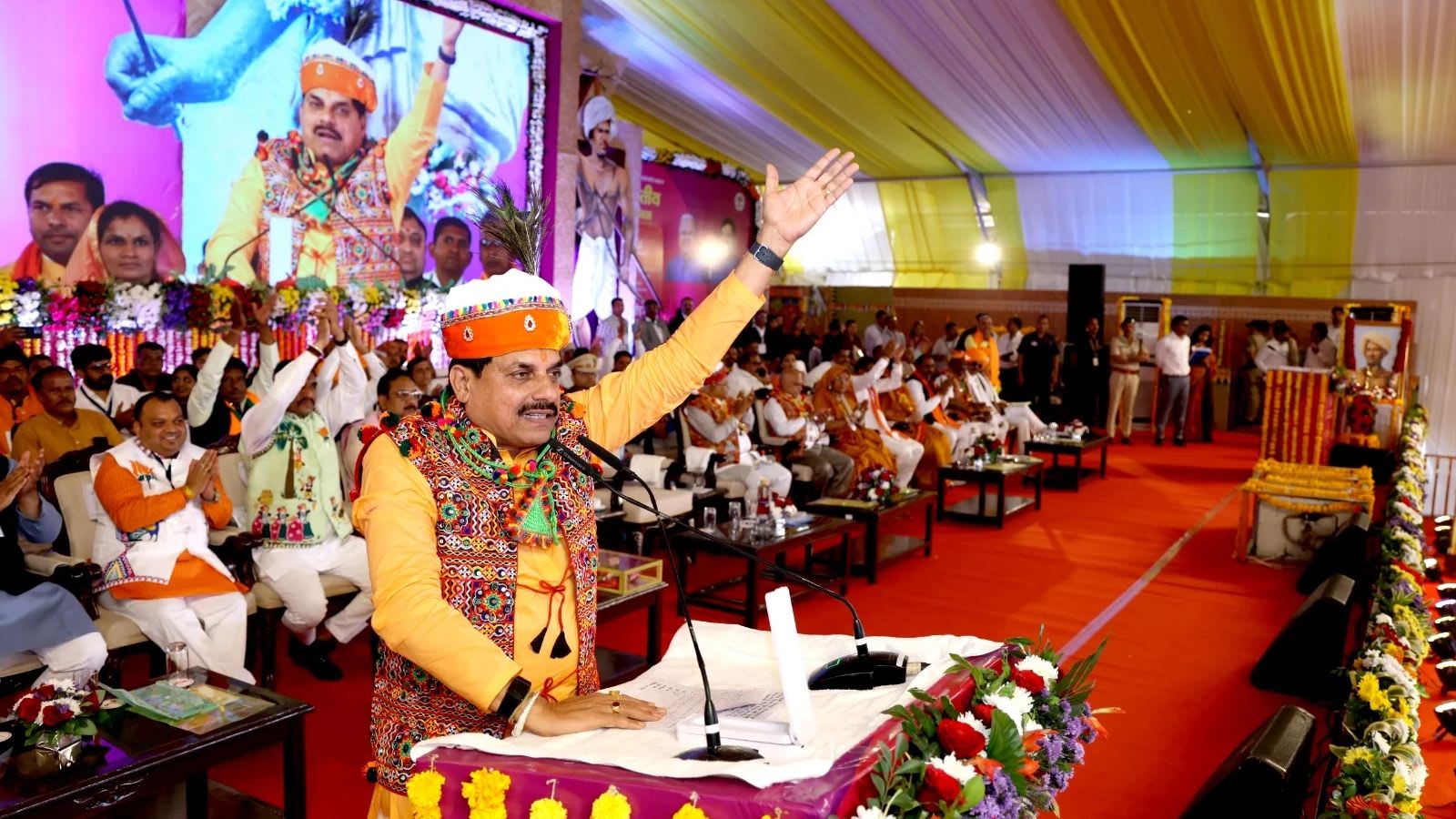
State governments across India celebrated the 151st birth anniversary of tribal icon Birsa Munda as Janjatiya Gaurav Diwas. Chief Ministers in Tripura, Gujarat, and Madhya Pradesh used the occasion to highlight developmental initiatives and honor the tribal community's historical role in India's freedom struggle.
Honoring Tribal Legacy: Janjatiya Gaurav Diwas 2026
On November 15, 2026, the 151st birth anniversary of the legendary tribal freedom fighter Birsa Munda was commemorated across India as Janjatiya Gaurav Diwas. This day serves as a national acknowledgement of the immense sacrifices made by indigenous communities against colonial oppression. Across several states, including Tripura, Gujarat, and Madhya Pradesh, leadership utilized this significant anniversary to bridge the gap between historical reverence and modern governance.
Tripura’s Focus on Indigenous Development
In Tripura, Chief Minister Manik Saha addressed a gathering in the Dhalai district, emphasizing his government’s commitment to the socio-economic advancement of indigenous people. By connecting the courage of Birsa Munda—who mobilized tribes against British rule in the late 19th century—to current policy goals, the administration framed its development agenda as a continuation of the struggle for tribal dignity and self-reliance. This approach seeks to ensure that the historical contributions of tribal icons are reflected in tangible welfare outcomes.
Political Discourse and Historical Rectification
In Gujarat, Chief Minister Bhupendra Patel utilized the occasion to launch a sharp critique of previous political administrations, characterizing the post-independence era as one of neglect for tribal communities. By positioning Prime Minister Narendra Modi as the leader who finally "honoured" these communities, the state government underscored a narrative of political correction. The announcement of development projects worth Rs 2,283 crore and the allocation of forest rights serve as the practical pillars of this political messaging, aiming to solidify support in tribal-majority regions like Chhota Udepur.
Infrastructure as a Tool for Empowerment
Meanwhile, in Madhya Pradesh, Chief Minister Mohan Yadav focused on resource distribution, inaugurating the Rs 1,400-crore Dahi Micro Lift Irrigation Project. By bringing Narmada waters to the drought-prone tribal districts of Alirajpur and Dhar, the government is linking the symbolic celebration of Birsa Munda’s legacy to the practical necessity of agricultural stability. This project, which aims to add one lakh hectares to the state’s irrigation coverage, represents a strategic push to integrate tribal heartlands into the state’s broader economic growth trajectory.
Strategic Implications and Future Trends
These coordinated state-level events demonstrate a clear strategic trend: the BJP-led governments are increasingly leveraging Janjatiya Gaurav Diwas to consolidate their influence within tribal populations. By combining historical commemoration with large-scale infrastructure projects—ranging from irrigation to rural development—the government is attempting to move beyond mere symbolism. The focus on "developmental works" suggests a future trend where tribal welfare will remain a central plank of state policy, framed through the lens of correcting historical oversight.
Conclusion
The 151st birth anniversary of Birsa Munda has transcended simple tribute, evolving into a platform for significant policy announcements and political re-alignment. Whether through irrigation projects in Madhya Pradesh, forest rights in Gujarat, or socio-economic outreach in Tripura, the message remains consistent: the state is prioritizing the integration of indigenous communities into the national mainstream. As these projects move from foundation stones to completion, the success of this strategy will be measured by the actual improvement in the quality of life for India’s tribal citizens.