TMC government considered only Muslims as minority: Bengal CM
Source Entity
India Latest News: Top National Headlines Today & Breaking News | The Hindu
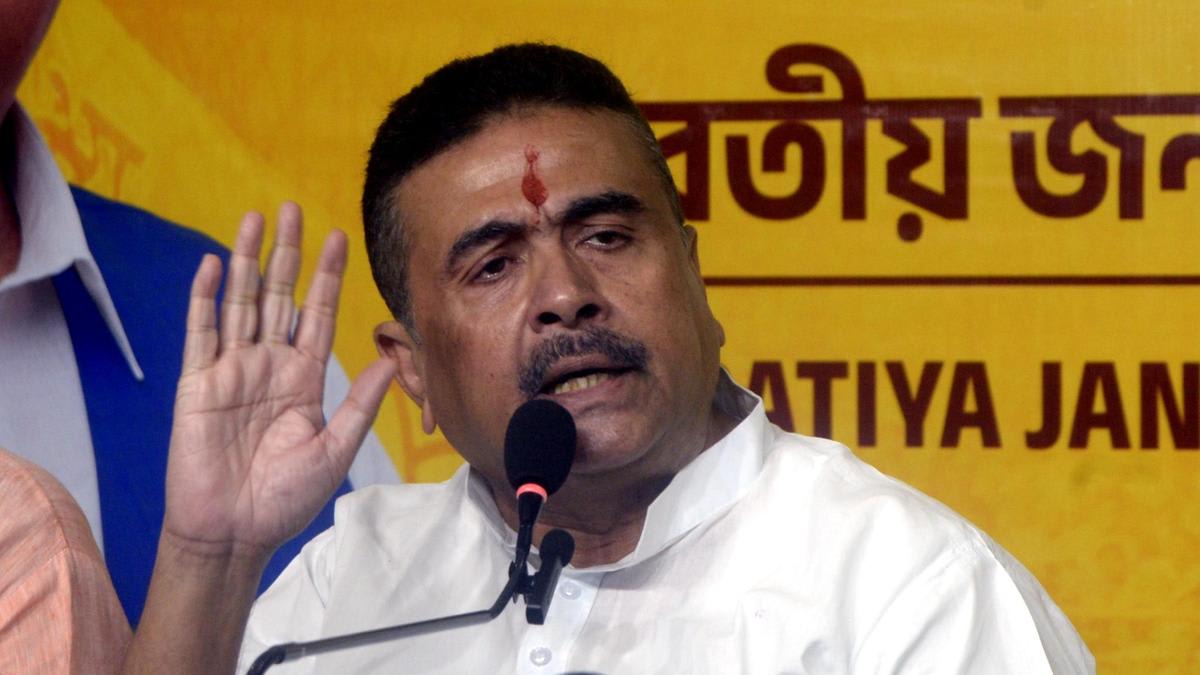
West Bengal Chief Minister Suvendu Adhikari has criticized the former TMC government for allegedly limiting minority status solely to the Muslim community. He emphasized that Sikhs, Buddhists, and Jains also hold minority status and praised the Sikh community for their patriotism.
Shifting Perspectives on Minority Representation in West Bengal
West Bengal Chief Minister Suvendu Adhikari recently sparked a significant political discourse by challenging the historical approach of the state’s previous administration regarding minority status. During his visit to the Gurdwara Bara Sikh Sangat in the Burrabazar area on November 15, 2026, Adhikari explicitly accused the Trinamool Congress (TMC) government of fostering a narrow definition of minorities. By asserting that the previous government prioritized the Muslim community to the exclusion of other groups, he has reopened a debate concerning the equitable distribution of government recognition and resources.
Redefining the Minority Framework
At the core of Adhikari's argument is the constitutional and practical necessity of recognizing the plurality of India's religious landscape. He emphasized that the term 'minority' is not synonymous with any single community, explicitly naming Sikhs, Buddhists, and Jains as groups that must be included under the minority umbrella. This intervention suggests a strategic effort to broaden the political base of the current administration by aligning with smaller religious communities that feel they have been historically overlooked or marginalized by state policies.
Historical Context and Political Allegations
Adhikari’s comments are part of a broader, sustained critique he has directed at the Mamata Banerjee-led TMC government. By framing the previous administration’s policies as exclusionary, he is attempting to reshape the narrative of West Bengal’s social governance. The accusation implies that the state’s previous minority outreach programs were politically motivated rather than based on a comprehensive understanding of the diverse religious demographics that constitute the state's social fabric.
The Symbolic Importance of the Sikh Community
Adhikari’s visit to the Gurdwara Bara Sikh Sangat serves as more than just a policy statement; it is a calculated symbolic gesture. By labeling the Sikh community as the 'truest patriots' during his interaction, the Chief Minister is actively building a rapport with a group that has historically felt sidelined in Bengal’s regional politics. This public endorsement serves to validate the community's identity while simultaneously contrasting his current governance approach with that of his predecessors.
Broader Implications for State Policy
If the current government moves to formalize this shift in perspective, it could lead to significant changes in how the West Bengal government allocates minority-specific welfare schemes and support programs. A move toward a more inclusive definition of minority status would require a comprehensive audit of existing state policies to ensure that Sikhs, Buddhists, and Jains receive equitable access to the benefits previously dominated by a single demographic. This could signal a major pivot in the state's social welfare architecture.
Future Trends and Political Polarization
Looking ahead, this rhetoric is likely to intensify political polarization within West Bengal. As the administration works to redefine minority status, it will likely face opposition from those who benefited from the previous framework. The challenge for the government will be to implement these changes without exacerbating communal tensions. The focus will remain on whether these statements lead to tangible legislative changes or remain primarily a tool for political mobilization as the state navigates its complex social and religious landscape.
Verification Required?