BJP lodges complaint against Sonia Gandhi as Vande Mataram row intensifies
Source Entity
TOI NEWS DESK
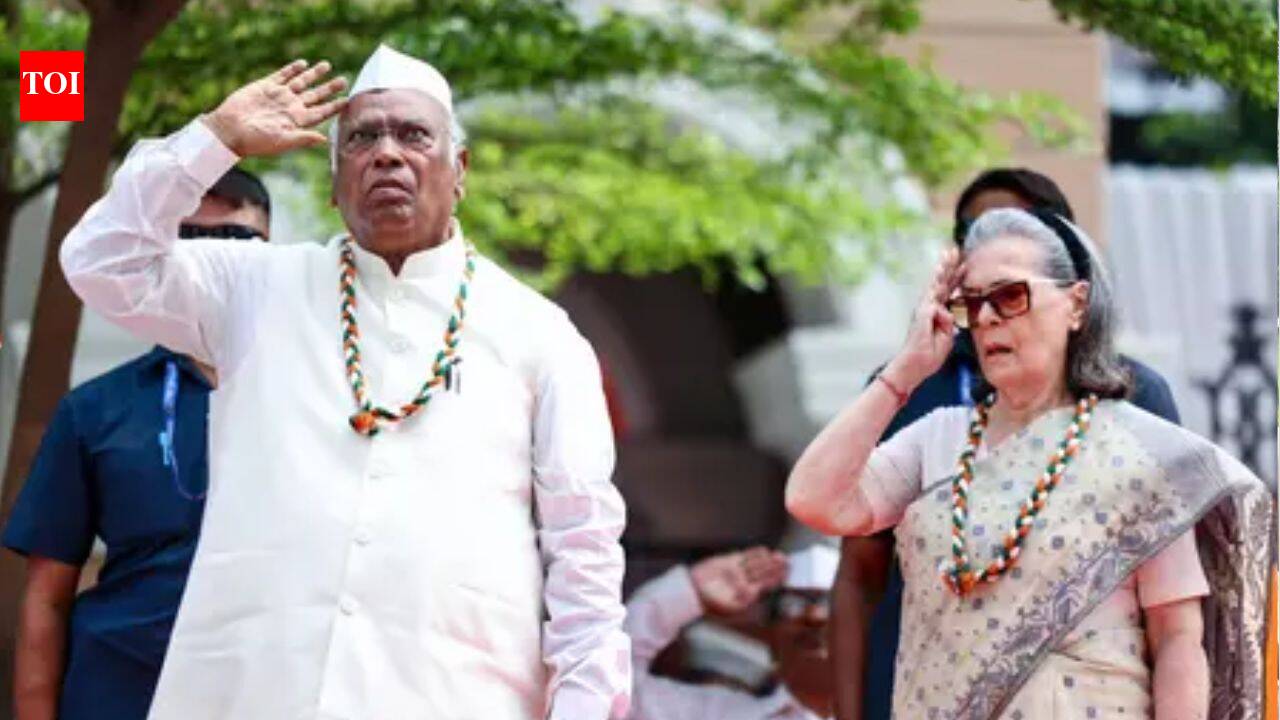
A political controversy has emerged after the BJP accused Sonia Gandhi of interrupting the national song 'Vande Mataram' during an Independence Day event. The Congress has categorically denied the claim, stating that Gandhi was merely requesting a chair for party president Mallikarjun Kharge.
The Vande Mataram Controversy: A Political Clash of Narratives
On August 15, 2026, a significant political skirmish erupted between the Bharatiya Janata Party (BJP) and the Indian National Congress following an Independence Day event held at Indira Bhawan. The conflict centers on video footage shared by BJP national general secretary B.L. Santhosh, which the ruling party claims shows former Congress president Sonia Gandhi objecting to the full rendition of the national song, Vande Mataram.
BJP's Allegations and Ideological Framing
The BJP has leveraged this incident to frame the Congress party’s leadership as being out of touch with nationalistic sentiments. By circulating the footage on social media platform X, B.L. Santhosh suggested that the Congress leadership, including Sonia Gandhi and party president Mallikarjun Kharge, appeared "upset" by the singing of the song. The BJP’s rhetoric extended further, characterizing the alleged behavior as reflecting a mindset that has remained unchanged since the pre-1947 era, effectively questioning the opposition's commitment to national symbols.
The Congress Rebuttal: Contextualizing the Incident
In response, the Congress party has issued a firm denial, labeling the BJP’s allegations as false and politically motivated. According to the Congress, the interaction captured on video was not an objection to the national song but a logistical intervention. Party representatives stated that Sonia Gandhi was simply inquiring about or requesting a chair for Mallikarjun Kharge, who had been standing for an extended period during the proceedings.
Broader Implications in Indian Political Discourse
This incident highlights the highly polarized nature of Indian political discourse, where ceremonial events often become battlegrounds for ideological signaling. The use of national symbols like Vande Mataram serves as a potent tool for political parties to define their respective brands of nationalism. For the BJP, challenging the Congress on such matters is a recurring strategy to consolidate its nationalist base, while the Congress’s defense suggests a need to navigate these cultural touchstones without appearing dismissive of patriotic fervor.
Historical Context and Symbolic Significance
Vande Mataram holds a revered place in India’s history as a symbol of the struggle for independence. Because of its deep emotional resonance, any perceived slight—whether intentional or misinterpreted—inevitably triggers intense public debate. In this instance, the clash serves as a microcosm of the ongoing friction between the two largest political factions, where every public gesture is scrutinized, recorded, and interpreted through a partisan lens.
Future Trends in Political Communication
The rapid spread of this controversy via social media underscores the increasing trend of "video-based political warfare," where short clips are used to shape public opinion before full context can be established. As India moves forward, these digital skirmishes are likely to become more frequent, forcing political entities to be increasingly mindful of their optics during public ceremonies, as even minor, benign interactions can be weaponized in the digital age.
Multiple Citing Sources