Union government following anti farmers policies, says Minister
Source Entity
India Latest News: Top National Headlines Today & Breaking News | The Hindu
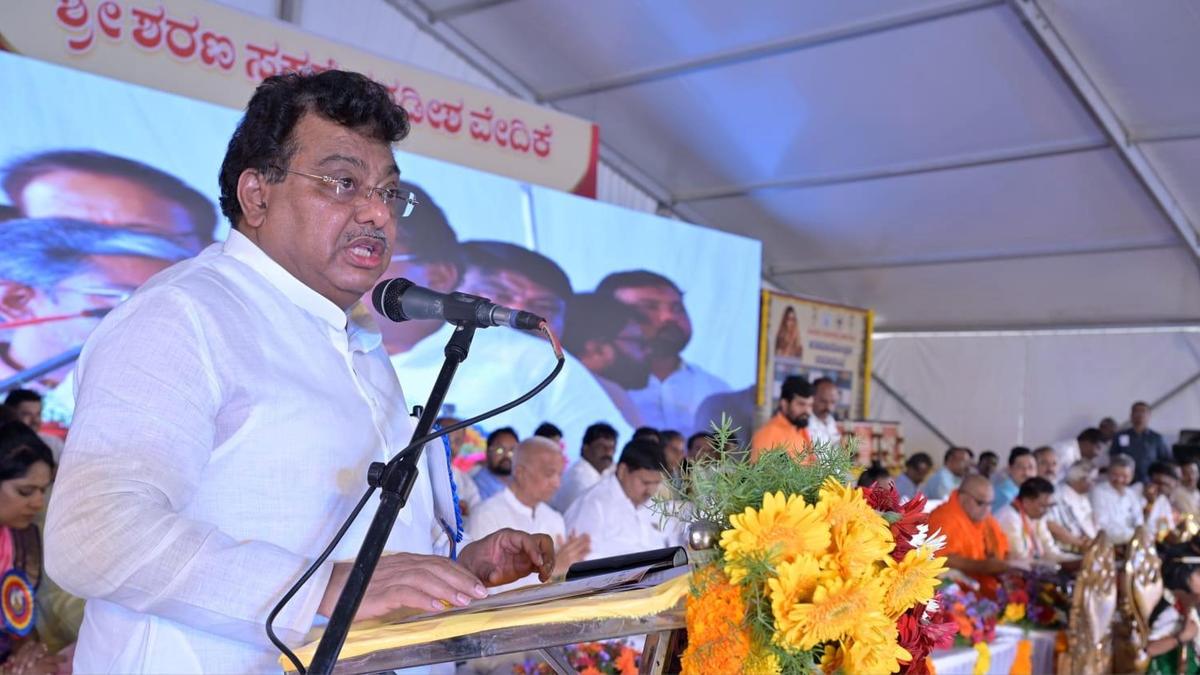
Karnataka ministers M.B. Patil and Shivanand Patil have accused the Union government of implementing anti-farmer policies amid a severe drought. They contrast the lack of agricultural debt relief with the alleged waiver of industrial loans, citing historical precedents set by former PM Manmohan Singh.
Allegations of Anti-Farmer Sentiment in Union Policy
On August 16, 2026, Karnataka Minister M.B. Patil launched a sharp critique against the BJP-led NDA government, characterizing its current approach to agrarian management as fundamentally "anti-farmer." Speaking at the inauguration of a grain godown in Shirbur, Patil highlighted the dire straits of the farming community, which is currently grappling with a severe drought. The crisis is compounded by the financial strain of repeated sowing cycles that have yielded no returns, forcing farmers to rely heavily on cooperative societies for basic sustenance and support.
The Disparity in Debt Relief
A central pillar of the criticism involves a stark contrast between corporate and agricultural debt management. Citing data attributed to BJP leader Subramanya Swami, the speakers asserted that the Union government has facilitated the waiver of over ₹10 lakh crore in industrial loans over the past 12 years. In comparison, the reluctance to provide a ₹2 lakh crore relief package for farmers is being framed by state leaders as a deliberate abandonment of the rural economy. This comparison seeks to highlight a perceived systemic bias toward urban industrial interests at the expense of national food security.
The Role of Cooperative Institutions
MLA Shivanand Patil further escalated the criticism by pointing to the institutional barriers now facing the agricultural sector. He noted that even the National Bank for Agriculture and Rural Development (NABARD) has become restrictive in its lending practices, which he attributes to the central government's overarching policy framework. By tightening credit access, the government is accused of stifling the very institutions designed to provide a safety net for farmers during periods of environmental volatility, such as the current drought.
Historical Context and Political Rhetoric
The discourse surrounding these allegations invokes the legacy of former Prime Minister Manmohan Singh, whom the speakers identified as the last national leader to implement a significant farm loan waiver. By referencing this historical precedent, the Congress leaders are attempting to position the current administration as a departure from inclusive economic policy. This framing is designed to resonate with rural voters who feel economically marginalized by current fiscal priorities.
Broader Implications and Future Trends
The tension between the state government and the Union administration regarding agricultural support signals a deepening political divide. As drought conditions persist, the reliance on Primary Agriculture Cooperative Societies will likely grow, potentially leading to further friction as these local bodies struggle with limited resources. If the central government continues to resist calls for large-scale debt relief, this issue is poised to remain a dominant theme in regional politics, potentially influencing future electoral outcomes by centering the debate on economic equity and the government's responsibility toward the agrarian class.
Verification Required?