BJP bets on cash and reels to win over Maharashtra’s restless Gen Z voters
Source Entity
Shubhangi Khapre
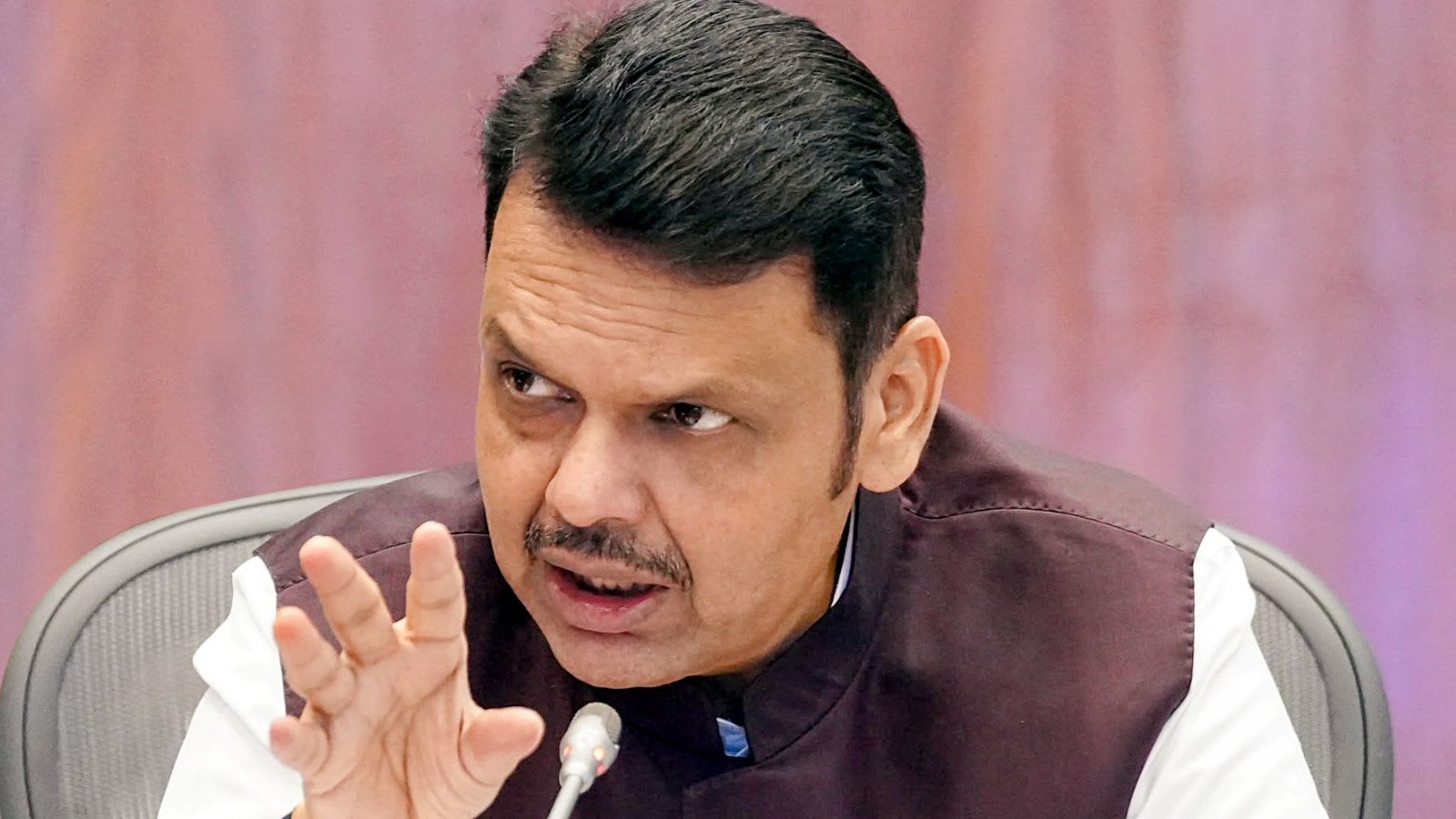
The Maharashtra government is deploying new financial incentives and media-based outreach to engage Gen Z voters. This strategy follows increased political pressure from opposition campaigns like the 'School Thik Karo' initiative.
Maharashtra’s Strategic Pivot to Gen Z Voters
The political landscape in Maharashtra is currently witnessing a significant shift as the BJP-led state government intensifies its efforts to capture the attention of Gen Z voters. Recognizing that this demographic cohort is increasingly disillusioned and politically active, the administration is moving beyond traditional campaign rhetoric to implement tangible policy interventions. This proactive stance comes at a critical juncture where the government perceives a need to secure its base against emerging opposition narratives.
The Impact of Opposition Pressure
This strategic recalibration is largely a reaction to the growing momentum of opposition parties. Recent youth-led protests in Delhi and Ranchi have signaled a broader nationwide trend of student activism that political analysts suggest is spilling over into state-level discourse. Furthermore, the 'Cockroach Janata Party' (CJP) has successfully leveraged the 'School Thik Karo' (Fix Rural Government Schools) campaign to highlight systemic grievances within the education sector, forcing the BJP to defend its record while simultaneously courting the youth vote.
Financial and Cultural Outreach Initiatives
To counter this, the government, under the leadership of Devendra Fadnavis, has unveiled a five-pronged initiative designed to resonate with younger constituents. A cornerstone of this policy is the proposal to provide girl students with a monthly stipend of Rs 2,000, a move intended to provide direct economic relief and foster educational retention. Beyond financial incentives, the government is exploring cultural avenues, specifically utilizing cinema and digital media to bridge the communication gap between the state machinery and the youth.
Addressing the 'Gen Z' Challenge
Internal discussions within the government reveal a candid acknowledgment of the difficulty in predicting and mobilizing this specific demographic. A senior BJP minister noted that Gen Z remains a "primary concern" for the party, admitting that there is currently no "assured formula" to engage them effectively. This admission underscores a broader anxiety among traditional political parties that established methods of mass mobilization are losing efficacy in the face of digital-native, cause-driven youth movements.
Broader Implications and Future Trends
This shift in Maharashtra’s political strategy serves as a microcosm for the future of Indian electoral politics. As the demographic dividend becomes an increasingly powerful political force, parties will likely continue to transition toward hyper-targeted, welfare-based, and media-centric outreach programs. The success or failure of these initiatives in Maharashtra will likely set a precedent for how incumbent governments across India approach the increasingly complex task of winning over a restless and highly connected younger generation.