'Will make Punjab drug free by 2029': BJP-Akali announce alliance 6 years after split
Source Entity
ABHISHEK MISHRA
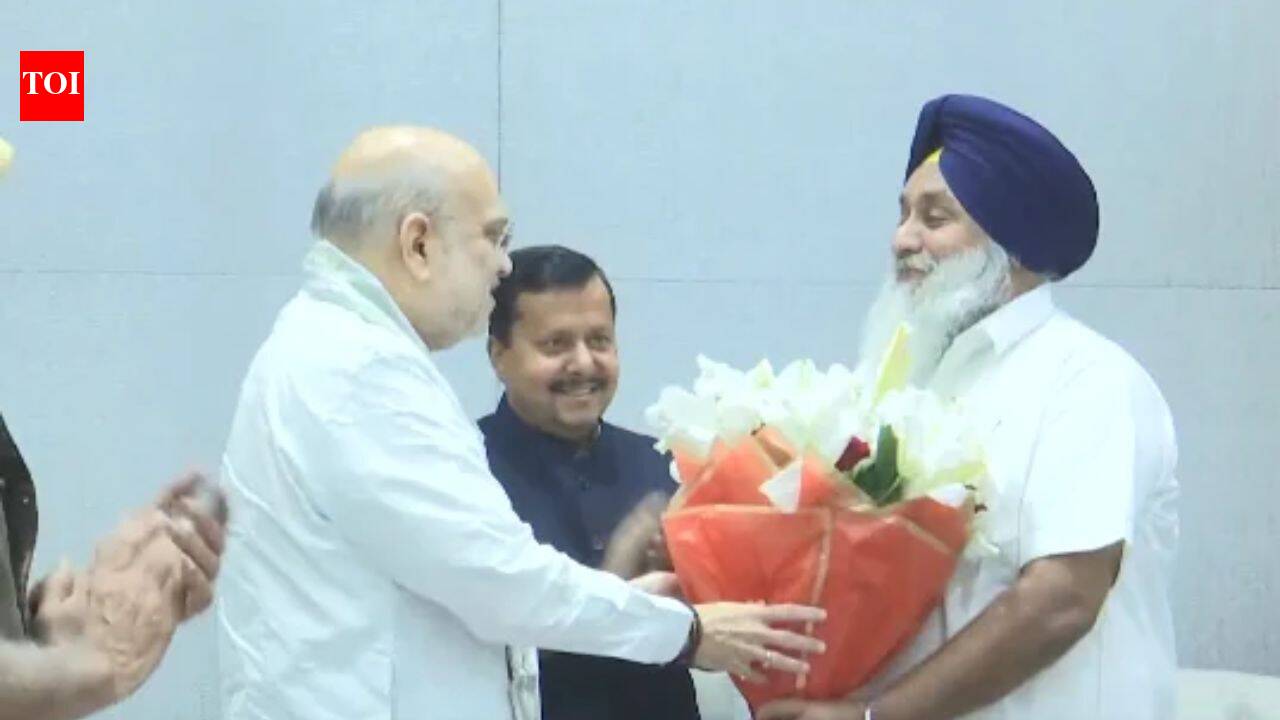
The Bharatiya Janata Party and Shiromani Akali Dal have officially reconciled their alliance ahead of the Punjab assembly elections. The partnership, solidified on Gurpurab, includes a commitment to eradicate drug issues by 2029 and grants the SAD the Chief Ministerial position in the event of an NDA victory.
A Political Realignment in Punjab
The political landscape of Punjab has undergone a significant transformation as the Bharatiya Janata Party (BJP) and the Shiromani Akali Dal (SAD) have officially announced the revival of their alliance. After a six-year hiatus, this reunion marks a pivotal shift in the region's electoral dynamics, coming just in time for the upcoming Punjab assembly polls. The formal announcement, coordinated by Union Home Minister Amit Shah and SAD president Sukhbir Singh Badal, signals a strategic consolidation of conservative and regional interests.
The Path to Reconciliation
The breakdown of this long-standing partnership in September 2020 was primarily driven by deep-seated disagreements regarding the Centre's three farm laws. The subsequent resignation of Harsimrat Kaur Badal from the Union cabinet served as a symbolic and practical rupture in the National Democratic Alliance (NDA). However, following the repeal of those laws, both parties have sought to bridge the ideological and political divide, recognizing that a unified front is essential for electoral viability in the complex landscape of Punjab politics.
Strategic Power Dynamics
A critical component of this renewed agreement is the internal hierarchy defined by the NDA leadership. As part of the reconciliation, it has been established that the SAD will occupy the position of 'big brother' within the state alliance. Should the NDA secure a majority in the assembly polls, the Chief Ministerial candidate will be drawn from the Shiromani Akali Dal. This concession by the BJP reflects a pragmatic understanding of the regional influence held by the Akali Dal in Punjab's rural and traditional voter bases.
Addressing Socio-Political Challenges
Beyond the raw arithmetic of vote shares, the alliance has centered its platform on pressing social issues, most notably the state's drug crisis. By pledging to make Punjab 'drug-free by 2029,' the coalition is attempting to capture the sentiment of a disillusioned electorate concerned with public health and safety. This policy focus is designed to provide a unified, actionable agenda that distinguishes their platform from political rivals.
Future Implications for Punjab
The timing of this announcement, coinciding with the auspicious occasion of Gurpurab, is clearly intended to resonate with the cultural and religious sentiments of the populace. As the parties move forward, the success of this alliance will depend on their ability to integrate their grassroots organizations, which have spent the last six years operating independently. If they can effectively merge their voter bases, this partnership could fundamentally alter the competitive nature of the upcoming assembly elections, potentially reshaping the state’s governance structure for the next term.