BJP will lay siege to KRS reservoir if water is not released for standing crops, warns Ashok
Source Entity
India Latest News: Top National Headlines Today & Breaking News | The Hindu
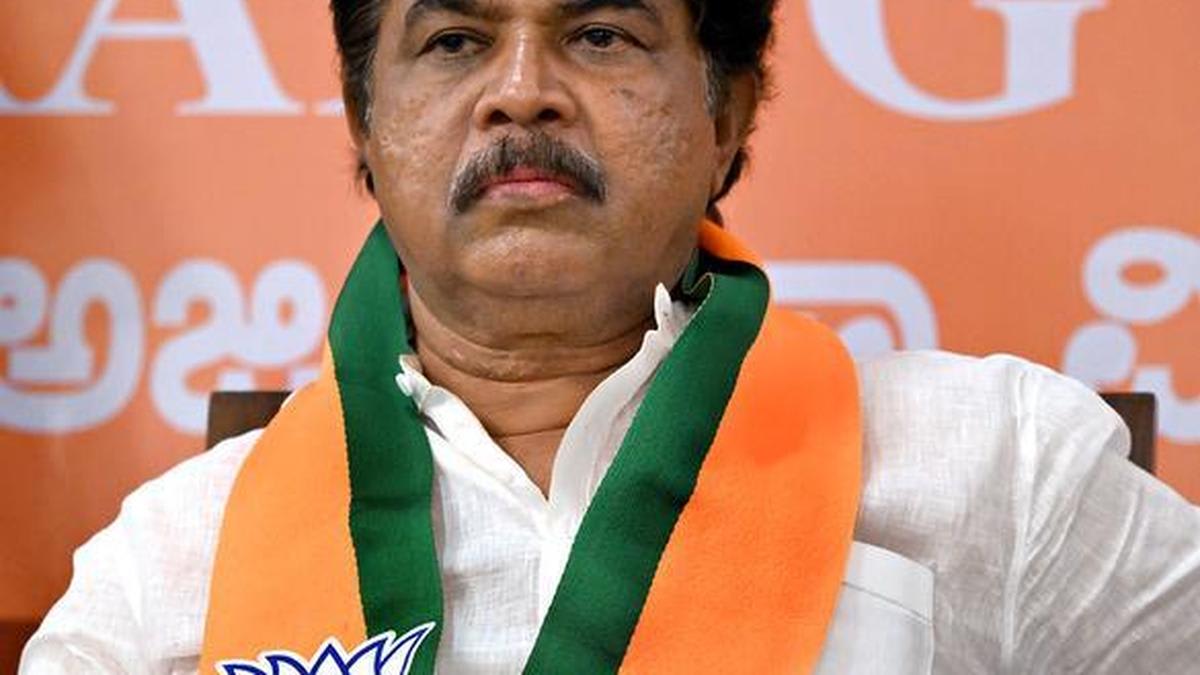
The government must immediately release water from the KRS reservoir and hold an all-party meeting to discuss the issue of sharing Cauvery water with Tamil Nadu, he said.
Political Escalation Over Water Rights: BJP's Warning on KRS Reservoir
The political climate in Karnataka has intensified following a stern warning from BJP leader Ashok, who has threatened to lead a 'siege' of the Krishna Raja Sagara (KRS) reservoir. This escalation comes amid mounting concerns over the availability of water for standing crops, highlighting the perennial tension between agricultural necessity and administrative water management. The threat of a siege indicates a shift from standard political critique to direct action, signaling that the opposition intends to mobilize the farming community to pressure the current government into immediate water release.
The Criticality of Standing Crops and Agricultural Anxiety
At the heart of this dispute is the survival of 'standing crops.' In the agrarian economy of Karnataka, the timing of water release from the KRS reservoir is a matter of life and death for farmers. When crops reach a critical growth stage, any delay in irrigation can lead to widespread crop failure, resulting in devastating financial losses for rural households. By focusing on the immediate needs of the farmers, the BJP is positioning itself as the primary defender of the agricultural sector, leveraging the desperation of the farming community to challenge the government's current water distribution strategy.
The Shadow of the Cauvery Water Dispute
This local crisis is inextricably linked to the broader, historical conflict over the Cauvery river water sharing between Karnataka and Tamil Nadu. The Cauvery dispute is one of India's most enduring interstate conflicts, characterized by decades of legal battles, Supreme Court interventions, and periodic civil unrest. Ashok's demand for an all-party meeting underscores the complexity of this issue; water sharing is not merely a technical administrative task but a geopolitical struggle. The tension arises when Karnataka must balance its own farmers' needs with the legal obligations to release water to Tamil Nadu, often leading to accusations of mismanagement or 'betrayal' of state interests.
Strategic Demand for an All-Party Consensus
The call for an all-party meeting is a strategic move to create a unified state front. In interstate disputes, a divided political landscape often weakens a state's bargaining power before the Central Government or the judiciary. By demanding a collective discussion, the BJP is attempting to force the ruling government to be transparent about its water management plans and to ensure that the state speaks with one voice when negotiating with Tamil Nadu. This move effectively puts the government on the defensive, suggesting that the current administration is handling the crisis in isolation rather than through a consensus-based approach.
Potential Implications and Future Trends
If the government fails to release water or ignore the call for a multi-party dialogue, the region could see a surge in grassroots protests. A 'siege' of the KRS reservoir would not only be a symbolic political victory for the opposition but could also lead to significant logistical disruptions. Looking forward, this event suggests that water security will remain a primary electoral flashpoint in the region. As climate volatility makes rainfall patterns more unpredictable, the struggle over reservoir levels and sharing quotas is likely to intensify, making water management a central pillar of political campaigning in Karnataka.
Conclusion
In summary, the warning issued by Ashok is more than a simple political demand; it is a manifestation of the deep-seated anxiety surrounding water security in Southern India. The intersection of agricultural urgency, interstate rivalry, and partisan politics creates a volatile environment. The resolution of this standoff depends on whether the government can balance the immediate needs of the farmers with the long-term legal frameworks of the Cauvery water sharing agreement, all while navigating the high-pressure tactics of the political opposition.
Verification Required?