Blue Planet III is keeping the rough edges in the age of AI
Source Entity
Terrence O’Brien
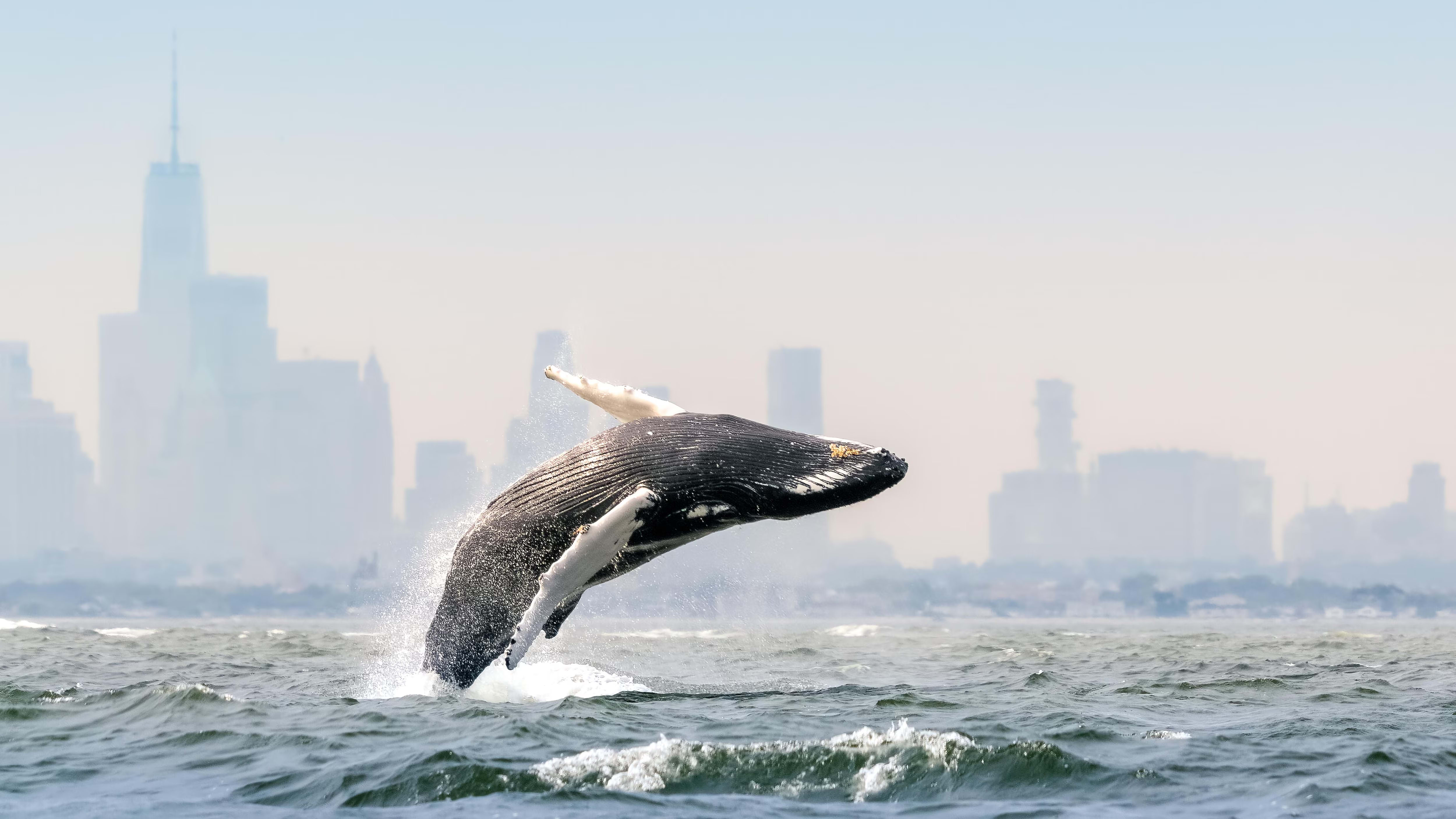
BBC's Blue Planet III is intentionally keeping imperfect shots to combat the 'too-perfect' aesthetic associated with AI-generated content. By embracing natural elements like debris and human-made objects, the production aims to prove its authenticity in an increasingly synthetic media landscape.
The Authenticity Pivot: Blue Planet III
The BBC’s decision to embrace 'rough edges' in the upcoming Blue Planet III marks a significant departure from the hyper-polished aesthetic that defined previous installments. In an era where high-definition cinematography has become standard, nature documentaries often faced the temptation to digitally scrub away 'imperfections' to create a seamless, cinematic experience. However, as generative AI becomes capable of producing increasingly realistic and flawless imagery, the definition of 'authenticity' in media is undergoing a radical shift.
The AI Dilemma in Cinematography
One of the most profound challenges for modern documentary filmmaking is the 'uncanny valley' of digital perfection. AI-generated video is often characterized by a lack of noise, grain, or organic inconsistency, creating a visual smoothness that can actually trigger skepticism in viewers. By retaining shots that feature floating plankton, debris, or even stray buoys and boats, the production team is essentially using 'imperfection' as a watermark of reality, distinguishing their work from the sterile, algorithmically curated content that is flooding the digital ecosystem.
Historical Context of Natural History Filmmaking
Historically, natural history series like Blue Planet and Planet Earth were celebrated for their pristine, high-fidelity capture of the natural world. For decades, the goal was to remove any sign of human interference or technical error to keep the viewer fully immersed in the narrative. Executive Producer Elizabeth White has highlighted that previously, production teams would meticulously frame out any human-made elements or visual clutter. This new strategy represents a philosophical pivot: acknowledging that the natural world is messy, and human presence is often inextricably linked to it.
The Impact on Viewer Trust
In a world where deepfakes and AI-generated imagery are becoming indistinguishable from reality, the BBC’s move is a strategic play for credibility. By leaving in the 'warts and all'—the floating particles and the accidental inclusion of equipment—the show reinforces that these moments were captured by human eyes and cameras in real-time. This transparency creates a psychological contract with the audience, reassuring them that they are witnessing a genuine record of Earth’s ecosystems rather than a synthesized representation.
Future Trends in Digital Media
As the line between real and synthetic media continues to blur, we can expect to see more creators adopting 'imperfection' as a stylistic choice to signal veracity. This trend suggests that the future of premium documentary production may not lie in higher resolutions or more advanced digital cleanup, but in the preservation of the raw, unedited, and authentic moment. The success of Blue Planet III will likely serve as a blueprint for other media organizations looking to maintain audience trust in the age of generative AI, proving that the most compelling story is often the one that hasn't been scrubbed clean.