India’s richest civic body’s reserves shrink by Rs 3,544 crore in 8 months
Source Entity
Pratip Acharya
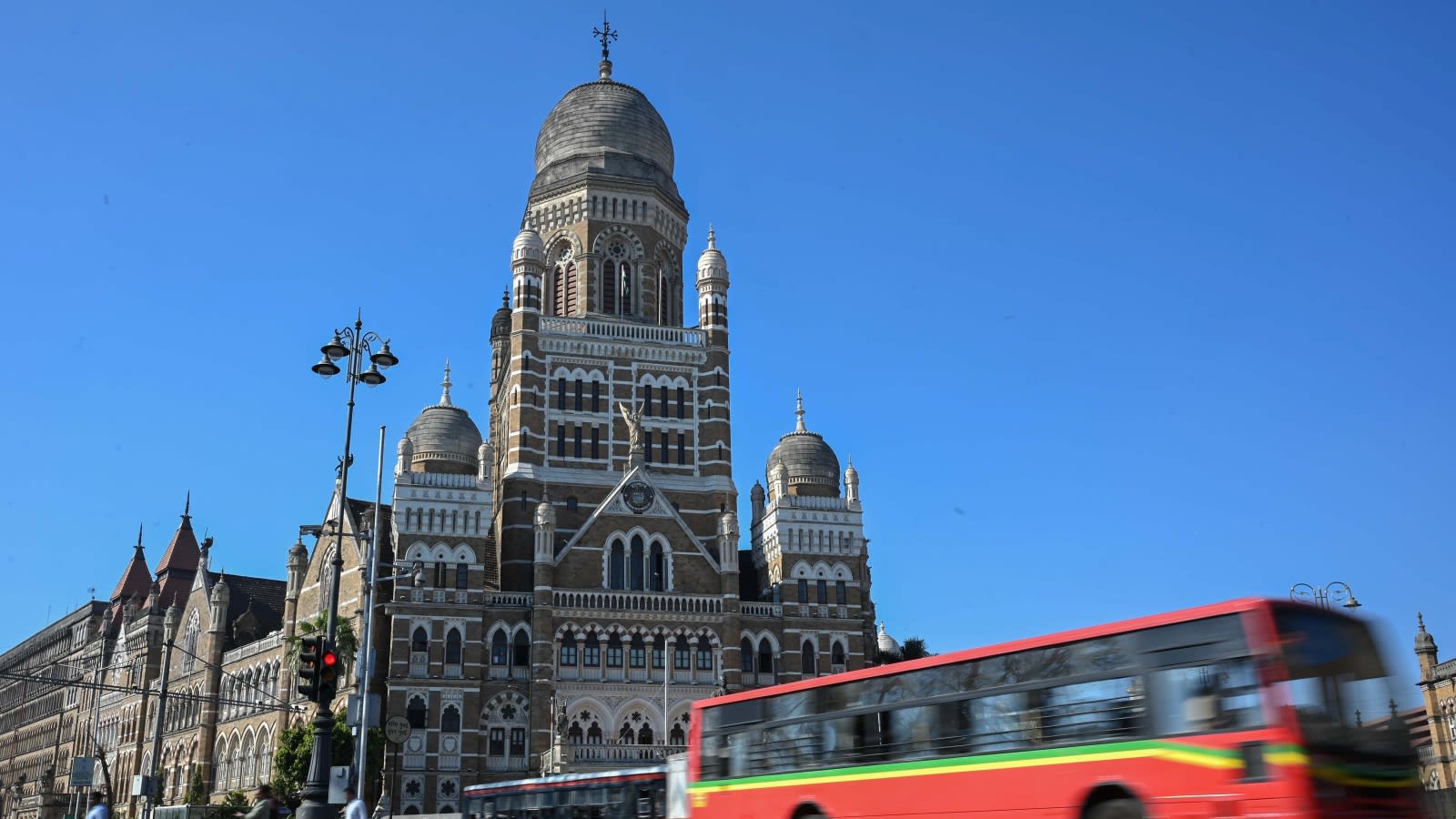
The Brihanmumbai Municipal Corporation (BMC) has seen its financial reserves drop by Rs 3,544 crore in just eight months. With mounting infrastructure liabilities and a long-term downward trend, officials are warning of a potential future liquidity crisis.
Financial Strain at the BMC: An Analysis of Mumbai's Fiscal Health
The Brihanmumbai Municipal Corporation (BMC), often cited as India’s wealthiest civic body, is facing an unprecedented fiscal challenge. According to the latest quarterly financial report, the corporation’s reserves have plummeted by Rs 3,544 crore within an eight-month window. This decline is not an isolated incident but rather the latest chapter in a broader, concerning trend that threatens the financial stability of the city's primary governance institution.
The Erosion of Reserves
As of the most recent records, the BMC’s reserves—typically held as fixed deposits across various financial institutions—have fallen to Rs 77,905 crore. This is a stark contrast to the Rs 81,449 crore reported in the February budget. When looking at a five-year horizon, the erosion becomes even more apparent: in 2021, the reserves sat at Rs 91,690 crore. This signifies a total depletion of nearly Rs 13,800 crore, suggesting that the rate of expenditure is significantly outpacing the civic body’s revenue generation capabilities.
The Burden of Infrastructure Liabilities
At the heart of this fiscal tightening lies a massive liability burden. The BMC is currently navigating a staggering Rs 2.34 lakh crore in committed costs for various ongoing infrastructure projects. While these projects are vital for the expansion and maintenance of Mumbai’s urban landscape, they impose a heavy debt-servicing and operational load on the municipal exchequer. The mismatch between these long-term capital commitments and the available liquid cash reserves has led internal officials to issue warnings regarding a potential liquidity crisis in the coming years.
Regulatory Constraints and Capital Allocation
It is critical to note that the headline figure of Rs 77,905 crore does not represent fully disposable capital. Under existing BMC regulations, only 50 percent of these reserves are authorized for use in infrastructure development. This policy is designed to ensure that the civic body maintains a safety net for emergency expenditures and essential services. However, as the total reserve pool shrinks, the amount of 'useable' capital diminishes proportionally, leaving the BMC with less flexibility to address unforeseen economic shocks or urgent urban requirements.
Future Implications and Fiscal Sustainability
Looking forward, the BMC must reconcile its ambitious infrastructure roadmap with the reality of its shrinking financial buffer. If the current trajectory of reserve depletion continues, the corporation may face significant hurdles in funding future maintenance and capital projects without resorting to external borrowing or tax hikes. The coming years will likely be defined by a delicate balancing act: continuing essential urban development while implementing stricter fiscal discipline to prevent a full-blown liquidity crisis. The situation serves as a cautionary tale for large-scale municipal governance in India, highlighting the need for sustainable revenue models that do not rely solely on the drawdown of historical savings.