Rs 20 lakh to quit: Why a doctor at Mumbai’s Sion Hospital felt he couldn’t walk away
Source Entity
Ishika Gupta
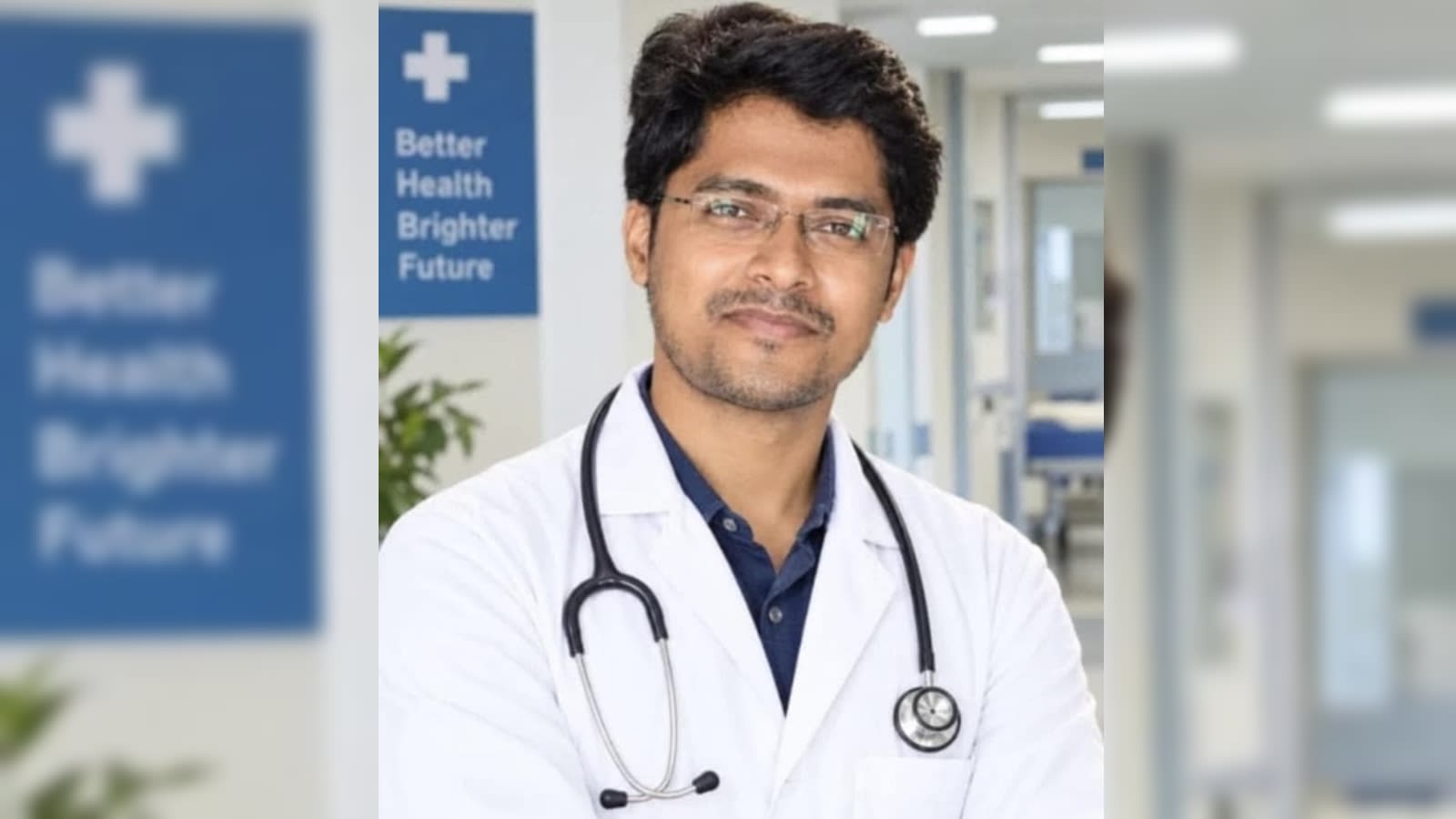
The tragic death of 26-year-old Dr. Shivsharanappa Patil at Mumbai’s Sion Hospital has ignited discussions regarding the intense pressures faced by postgraduate medical residents in India. The incident highlights the critical need for addressing systemic burnout and mental health support within the medical education infrastructure.
The Tragic Loss of a Promising Medical Career
The medical community and the nation at large are mourning the untimely death of 26-year-old Dr. Shivsharanappa Patil, a first-year postgraduate resident in the surgery department at Mumbai’s Sion Hospital. A bright student who had secured a third-rank in his MBBS course, Patil had moved to Maharashtra with the singular ambition of specializing in neurosurgery. His journey, marked by academic excellence and dedication, was cut short in a devastating incident that has left his family and colleagues in profound shock.
The Reality of Residency Pressure
Dr. Patil’s death brings to the forefront the grueling realities of postgraduate medical training in India. The incident occurred after he had already completed an 11-hour shift, with his duties scheduled to extend until midnight. This intense workload is emblematic of the systemic challenges faced by junior doctors, who often balance high-stakes patient care with the relentless demands of their academic curriculum. The expectation to perform at a peak level while enduring prolonged shifts is a known contributor to exhaustion and burnout among medical professionals.
A Family’s Perspective and Lost Potential
For his father, Mallikarjun Patil, a chemist from the Yadgir district of Karnataka, the loss is irreparable. He recounted how his son would share his daily professional milestones with enthusiasm, detailing minor surgeries and clinical accomplishments. This intimate insight into Dr. Patil’s life reveals a young man deeply committed to his profession. The transition from a promising student to a resident burdened by the weight of his training environment underscores a disconnect between the aspirations of medical students and the structural support provided by teaching hospitals.
Systemic Implications in Healthcare
This incident at Sion Hospital forces a necessary conversation regarding the working conditions of resident doctors. In India’s public healthcare system, residents are the backbone of patient care, yet they are frequently pushed to the brink of their physical and mental capacity. The reliance on anaesthetic drugs, as reported in this case, points to the accessibility of hazardous substances within hospital environments and the potential for severe mental health crises to go unnoticed until it is too late.
Moving Toward Structural Reform
To prevent such tragedies, the medical education infrastructure must prioritize the mental well-being of its residents. This includes revisiting shift durations, ensuring mandatory rest periods, and implementing robust psychological support systems. The loss of a high-achieving student like Dr. Patil is not just a personal tragedy for his family but a significant loss for the medical fraternity, which relies on the passion and talent of such individuals to advance the field of neurosurgery.
Conclusion
The death of Dr. Shivsharanappa Patil serves as a somber reminder of the human cost of academic and professional excellence. While his ambition to become a neurosurgeon remains unfulfilled, his story acts as a catalyst for demanding systemic changes in how medical residents are treated and supported. Addressing these issues is essential to ensuring that the next generation of doctors can pursue their dreams without sacrificing their lives in the process.