Can sound waves help Mumbai save water amid drought? BMC turns to new tech to fix pipeline leaks
Source Entity
Pratip Acharya
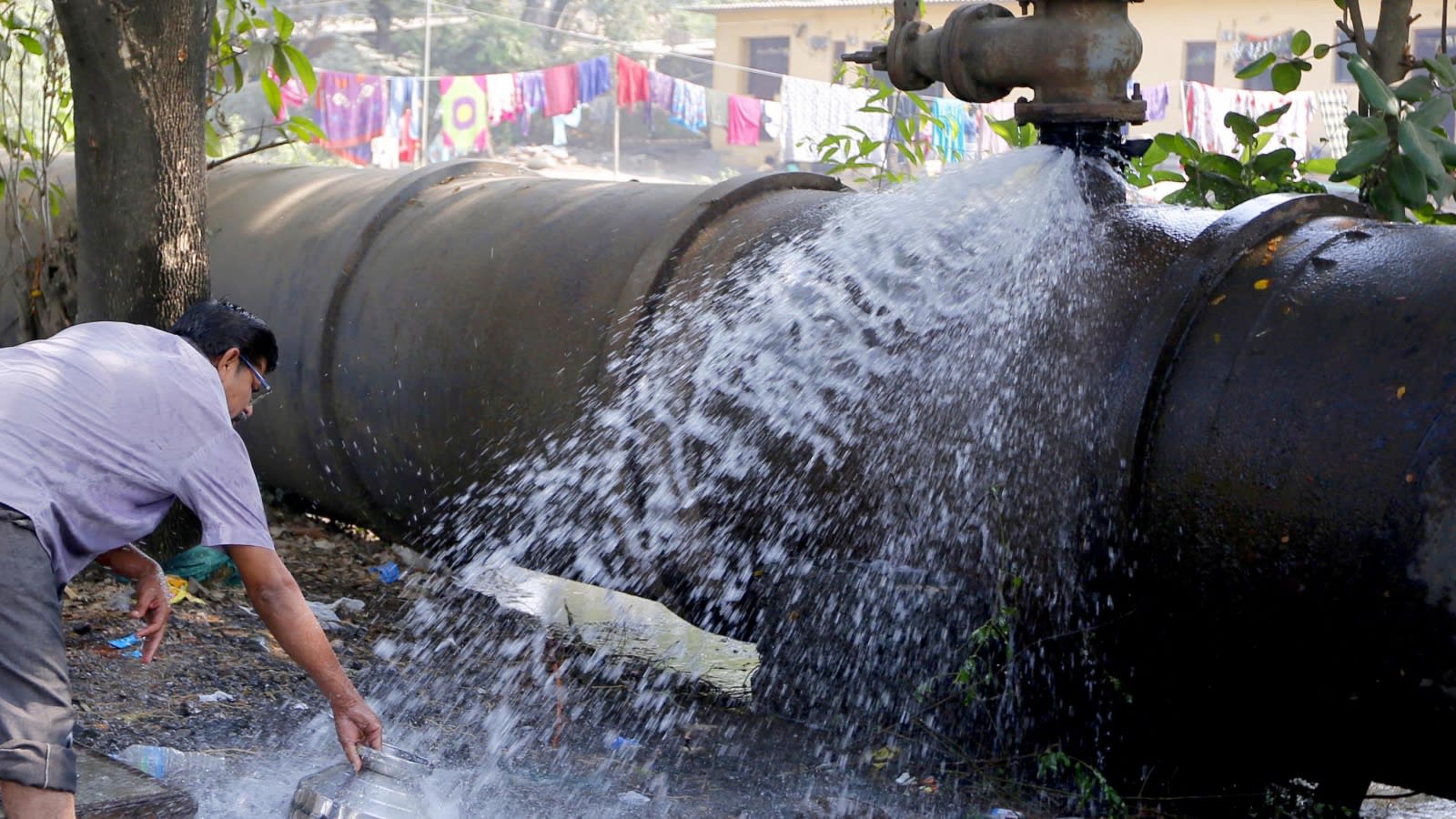
To combat a 10% water cut, the BMC is deploying SONAR technology to detect underground leaks. The civic body also plans to significantly accelerate the replacement of Mumbai's aging 6,000 km pipeline network.
Mumbai's War on Water Waste: Leveraging Technology Against Drought
Facing a critical 10 per cent water cut necessitated by deficient rainfall, the Brihanmumbai Municipal Corporation (BMC) is initiating a strategic overhaul of its water management infrastructure. With the city’s reservoirs under pressure, the civic body is shifting focus from merely managing supply to aggressively curbing systemic loss. The core of this initiative involves addressing the massive volume of water lost daily—estimated at 1,394 million litres per day (MLD)—which represents roughly 34 per cent of the total supply.
The Technological Intervention: SONAR Integration
One of the most innovative steps in this effort is the deployment of Sound Navigation and Ranging (SONAR) technology. By utilizing sound waves to pinpoint underground leakages that remain invisible to the naked eye, the BMC aims to move beyond reactive, manual pipe repairs. This precision-based approach allows maintenance crews to target specific structural weaknesses in the city's 6,000 km water supply network, effectively minimizing the time and resources wasted on exploratory digging.
Addressing Infrastructure Obsolescence
Much of Mumbai’s water infrastructure consists of aging pipelines that have exceeded their operational lifespan. The BMC has acknowledged this vulnerability, announcing a plan to scale up the replacement of these conduits significantly. By increasing the annual replacement rate from the current 60-70 km to a target of 250-300 km, the civic body is attempting a five-fold acceleration in infrastructure modernization. This transition is essential to stabilize a system that has long suffered from the compounding effects of age and corrosion.
The Economics of Water Loss
Beyond the environmental impact of drought, the 34 per cent leakage and theft rate represents a massive economic drain on the city’s resources. Every drop lost to a leaky pipe or illegal connection is a drop that cannot be billed or allocated to the growing population. By curbing these losses through the combination of sonic detection and rapid pipe replacement, the BMC is essentially creating a new, reliable source of water without needing to tap into new, distant reservoirs.
Future Trends and Sustainable Management
Looking forward, this pivot toward high-tech maintenance is likely to become the standard for major urban centers in India. As climate change continues to make monsoon patterns less predictable, the ability to maintain a 'leak-proof' system will be the difference between water security and chronic shortages. If successful, the BMC's move to integrate SONAR technology could serve as a scalable model for other Indian metros struggling with legacy infrastructure and resource scarcity.
Conclusion
In summary, the BMC’s dual-pronged strategy of technological detection and accelerated infrastructure replacement marks a vital shift in urban water governance. By addressing the root causes of water loss, the city is not only preparing for immediate drought conditions but is also investing in the long-term resilience of its essential utility networks.