Boeing and Airbus prepare for next narrow-body battle – but airlines aren’t pushing for new jets yet
Source Entity
US Top News and Analysis
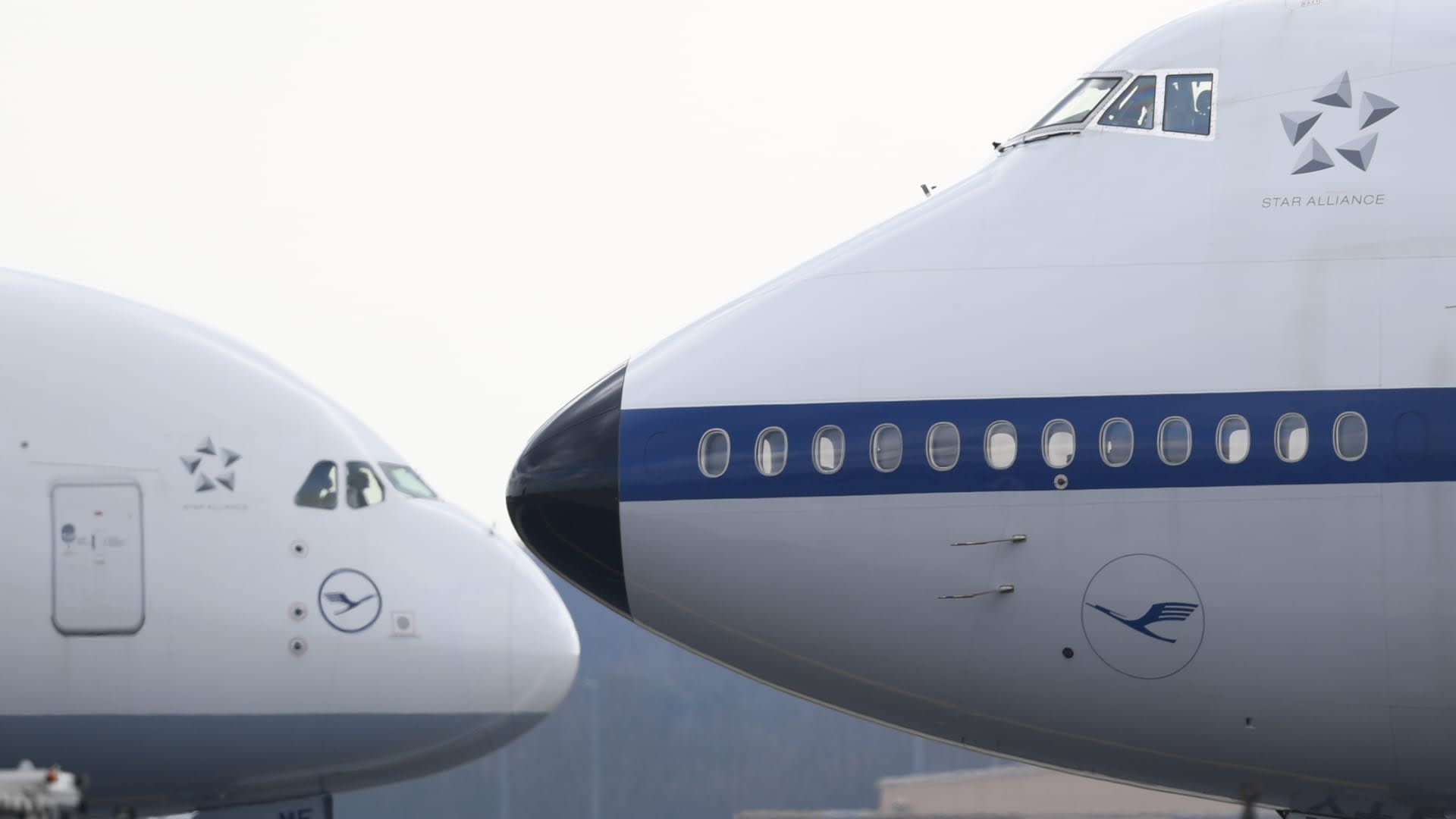
Boeing and Airbus are beginning to plan their next generation of narrow-body aircraft despite current production challenges. While Airbus eyes a 2030 launch, Boeing remains focused on financial recovery and resolving ongoing quality and reputation issues.
The Future of Narrow-Body Aviation: A Strategic Crossroads
The global aviation landscape is currently defined by a delicate tension between the long-term necessity for technological innovation and the immediate, pressing demand for operational stability. As the dominant duopoly of Boeing and Airbus begins to map out their next generation of narrow-body aircraft, they face a market that is fundamentally preoccupied with the present rather than the future. Airlines and investors are currently prioritizing the resolution of supply chain bottlenecks, production quality, and the timely delivery of existing models over the pursuit of all-new aircraft architectures.
Boeing’s Financial and Operational Challenges
Boeing, once the undisputed gold standard of aerospace engineering, is navigating one of the most turbulent periods in its corporate history. The company is grappling with the lingering consequences of the 737 MAX crises in 2018 and 2019, where technical failures linked to the Maneuvering Characteristics Augmentation System (MCAS) led to tragic losses. These events, coupled with production quality issues regarding the 787 Dreamliner, have resulted in increased federal oversight and a revocation of the firm’s authority to independently approve individual aircraft. CEO Kelly Ortberg has signaled that the company requires at least two more years of financial stabilization before it can realistically commit to the capital-intensive development of a new commercial aircraft program.
Airbus’s Strategic Timeline
In contrast, Airbus CEO Guillaume Faury has outlined a more defined, albeit future-oriented, trajectory for the European manufacturer. Airbus is currently targeting the launch of a next-generation single-aisle program around 2030, with an anticipated entry into service in the second half of the 2030s. This timeline reflects a calculated approach to balancing the need for decarbonization and efficiency gains with the reality that their current customer base is more concerned with current production rates than speculative new technology.
The Shift in Market Priorities
For the world’s major carriers, the immediate priority is fleet reliability. The aviation industry is still reeling from the post-pandemic surge in travel demand, which has strained the capacity of both Boeing and Airbus to meet delivery schedules. Because airlines are currently focused on stabilizing their operations and meeting current passenger demand, the appetite for transitioning to entirely new aircraft platforms—which carry inherent risks of technical teething issues—is currently low.
Competitive Pressures and Future Trends
While the Boeing-Airbus duopoly continues to dominate, the broader context of the industry includes growing questions regarding the role of emerging players, such as the Chinese aviation sector. As Boeing works to rebuild its reputation and Airbus manages its long-term development pipeline, the pressure to maintain technical superiority is mounting. The industry is effectively in a holding pattern where financial health, safety culture, and production throughput serve as the primary metrics of success, delaying the widespread introduction of next-generation narrow-body jets until the latter half of the decade.