Why Satheesan govt stand on Waqf Board has left IUML, Muslim bodies fuming
Source Entity
Shaju Philip
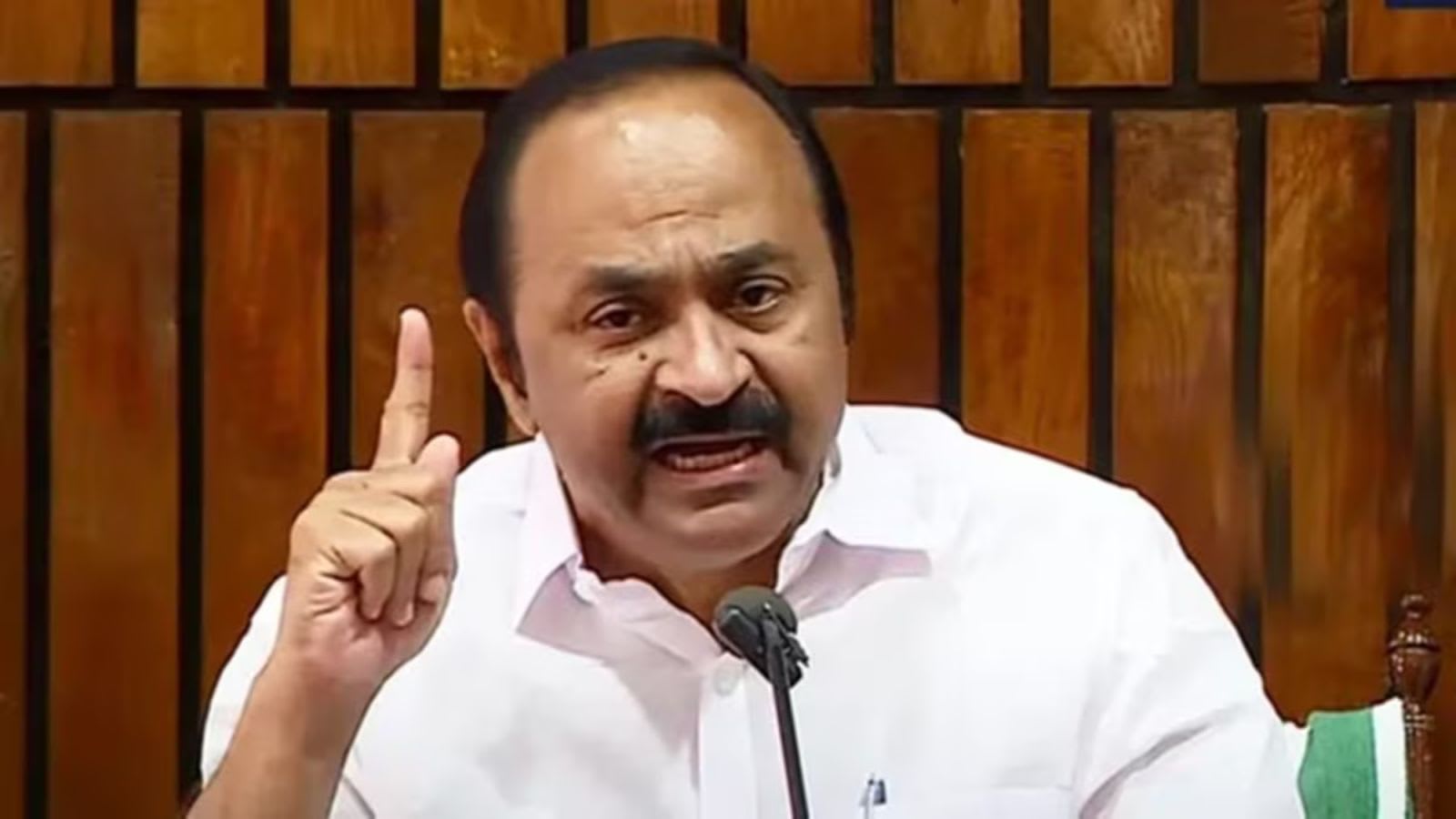
The UDF government's decision to align with the Waqf (Amendment) Act, 2025 has triggered a political crisis in Kerala. The move has isolated the IUML and drawn sharp criticism from CM Pinarayi Vijayan regarding minority rights.
The Waqf Amendment Crisis: A Political Tightrope in Kerala
The recent decision by the Congress-led United Democratic Front (UDF) government in Kerala to align with the Union government’s Waqf (Amendment) Act, 2025, has ignited a firestorm of political controversy. By expressing a willingness to reconstitute the Kerala State Waqf Board in accordance with the new central legislation, the government has inadvertently created a deep wedge between itself and its crucial ally, the Indian Union Muslim League (IUML). This development highlights the precarious balancing act the Congress party faces when navigating national legislative mandates against the specific regional interests of its minority-centric partners.
The IUML’s Dilemma and External Pressure
The IUML, which has taken a firm stance by challenging the Waqf (Amendment) Act, 2025 in the Supreme Court, now finds itself in a precarious bind. The party is being squeezed from two sides: on one hand, it is tethered to a UDF government that is signaling compliance with the central law, and on the other, it faces intense public scrutiny from community organizations and political rivals. The Opposition CPI(M) has been particularly vocal, accusing the IUML of tacitly facilitating the BJP-led central government’s agenda, thereby undermining the very minority protections the party claims to champion.
Legal Wrangling and the Role of the Courts
The legal landscape surrounding this issue is increasingly complex. The Kerala High Court had previously intervened, directing the State Waqf Board to refrain from major decision-making processes until further notice. This order followed the government's submission, led by Advocate General Jaju Babu, which emphasized the necessity of reconstituting the board. While the Supreme Court later quashed an interim order that had imposed administrator rule on the board, the state government's persistence in upholding its position regarding Section 14 of the UMEED Act (Waqf Amendment Act, 2025) has kept the tension at a boiling point.
The Pinarayi Vijayan Factor
Leader of the Opposition Pinarayi Vijayan has seized upon this situation to highlight what he describes as a betrayal of minority interests. Vijayan argues that the UDF’s stance in the Supreme Court—specifically the commitment to implement Section 14—will irreversibly damage the legal challenges currently pending in the apex court. By aligning with the central government's mandate, the UDF is being accused of weakening the collective legal defense of minority institutions against the structural changes proposed by the 2025 Act.
Broader Implications and Future Trends
The implications of this standoff extend beyond the immediate legal dispute. As the debate over the composition of the Waqf Board and the inclusion of non-Muslim members continues, the political fallout within Kerala’s UDF alliance could be significant. If the IUML cannot reconcile its opposition to the central law with the actions of the state government, the stability of the coalition may be tested. Moving forward, the final resolution of the Supreme Court petitions will be the ultimate arbiter, but the political damage caused by this internal friction may leave a lasting impact on the state's electoral dynamics.