Can your landlord install CCTV camera outside your rented home? Here's what law says
Source Entity
TOI REAL ESTATE DESK
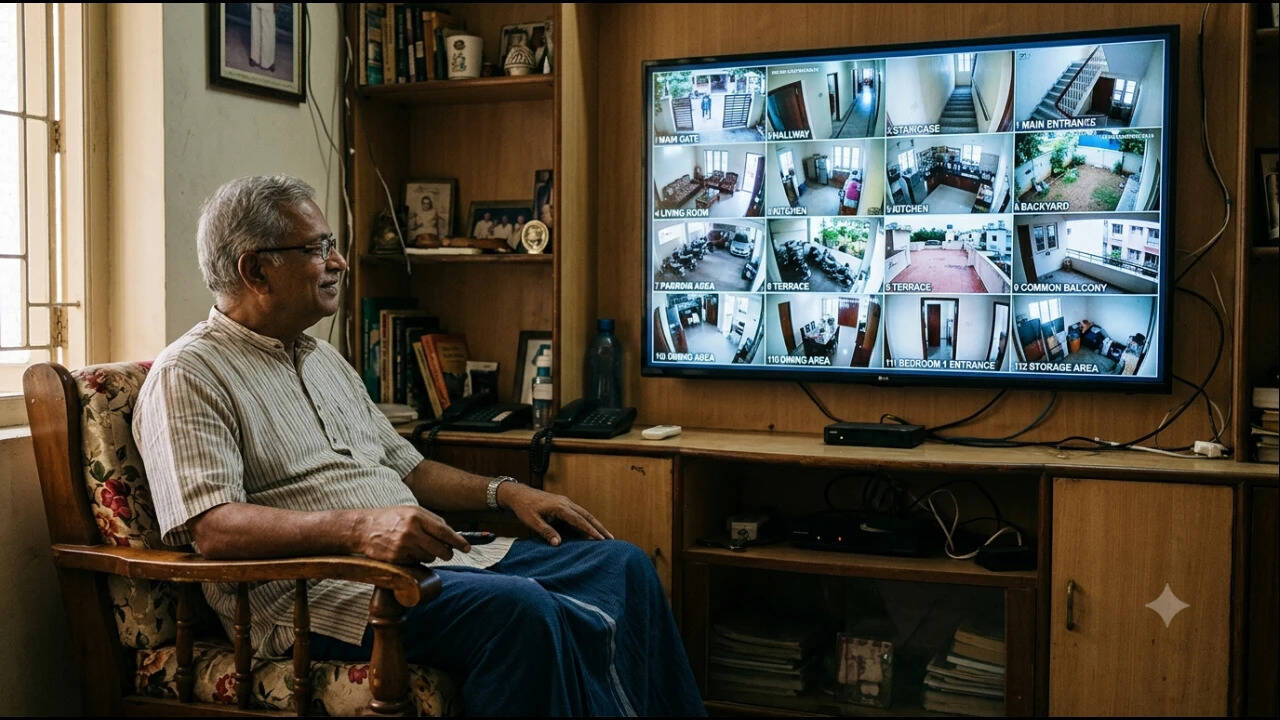
Landlords lack an absolute right to monitor tenants, as privacy laws protect individuals from intrusive surveillance. Courts have consistently ruled that security measures must not infringe upon a tenant's fundamental right to personal liberty.
The Tension Between Property Security and Tenant Privacy
The fundamental conflict between a landlord's desire to secure their investment and a tenant's right to personal privacy has become a significant point of legal contention. While property owners often justify the installation of CCTV cameras as a necessary measure to prevent theft, vandalism, or unauthorized access, this objective does not grant them carte blanche to monitor the daily lives of their tenants. The core of the issue lies in the distinction between protecting common infrastructure and infringing upon the private sphere of the home.
The Legal Foundation of Privacy
The legal landscape is increasingly favoring the tenant's right to quiet enjoyment of their rented premises. The Supreme Court of India, particularly in its landmark 2017 judgment, elevated the right to privacy to an intrinsic component of personal liberty under the Constitution. This precedent serves as a powerful shield for tenants, establishing that the mere act of owning a property does not grant a landlord the authority to subject inhabitants to constant, unconsented surveillance that penetrates their private space.
Judicial Precedents and Tenant Rights
Beyond supreme legal principles, specific rulings have clarified the boundaries of surveillance. For instance, the Calcutta High Court has reinforced the notion that intrusive camera placement—such as those directed specifically at a tenant's entrance—crosses the line from security to harassment. These judicial interventions clarify that while landlords have an interest in property maintenance, that interest is subservient to the tenant's expectation of privacy within their dwelling, including immediate thresholds and balconies that are considered extensions of their private habitat.
Defining Unreasonable Interference
The concept of "unreasonable interference" is central to modern landlord-tenant law. When a landlord installs a camera, they must ensure the field of vision is strictly limited to public or common areas where there is no reasonable expectation of privacy. If a camera captures the comings and goings of a tenant in a way that creates a sense of being monitored inside the home, it likely violates legal standards. Tenants are generally entitled to a peaceful residency, and excessive surveillance can be viewed as an attempt to exert psychological control or overreach authority.
Future Trends and Best Practices
As smart home technology becomes more accessible, the prevalence of DIY surveillance systems is likely to increase, leading to more frequent disputes. Moving forward, property owners should adopt transparent communication policies, informing tenants of the exact location and purpose of security equipment before installation. The best approach involves mutual consent and technical configurations that mask private doorways or windows, ensuring security goals are met without compromising the tenant’s fundamental rights. In conclusion, the law is clear: property ownership is not a loophole to bypass the constitutional right to privacy, and any surveillance must be balanced against the tenant's right to live without intrusive monitoring.