Satellite image shows Iran strike shredded US troops' housing units at Jordan’s Muwaffaq Salti base
Source Entity
Latest News: Today's Latest News Headlines from India & World | Hindustan Times | Hindustan Times
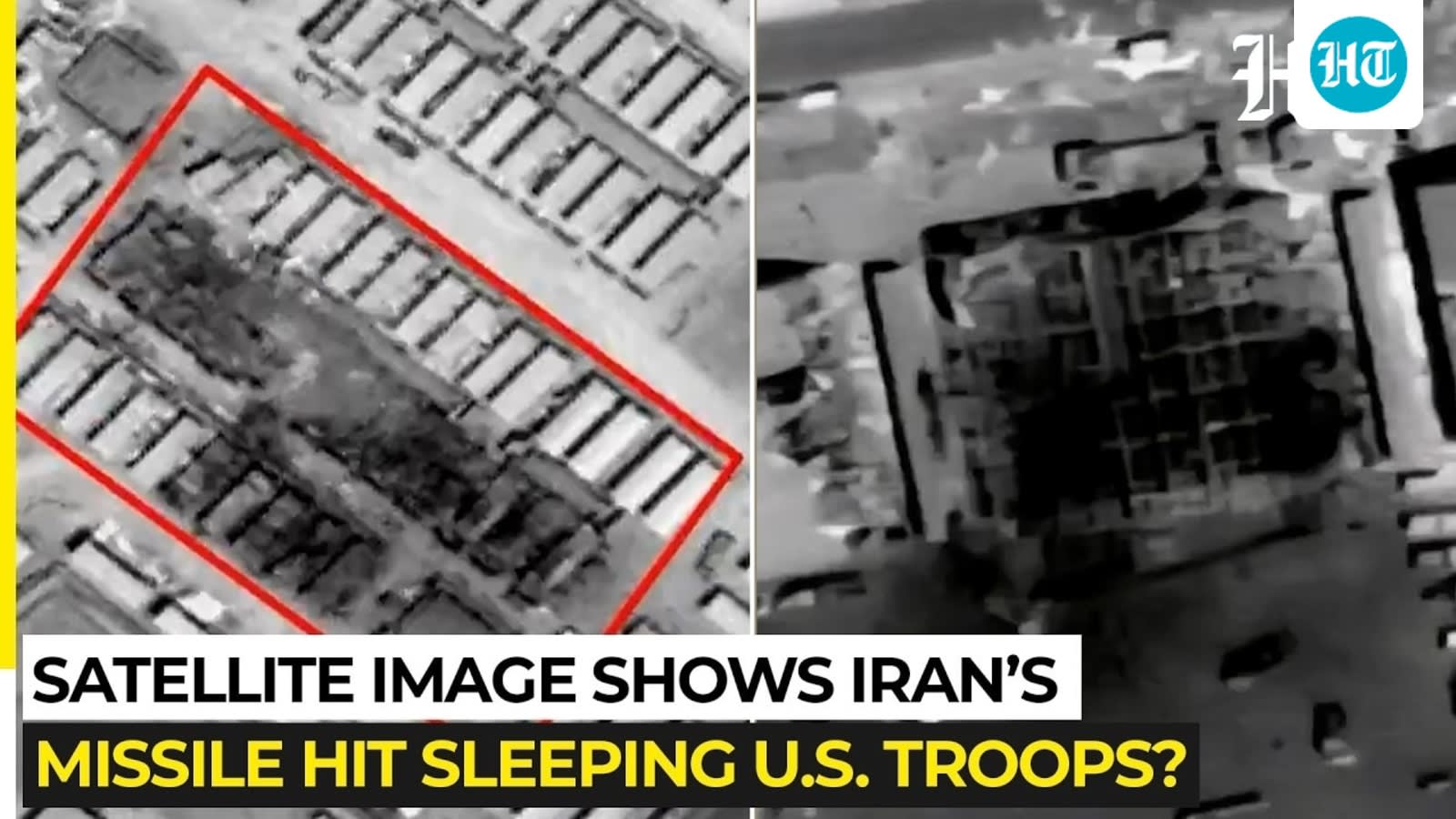
Jordan's air defense systems successfully intercepted three Iranian missiles, amid heightened regional tensions and ongoing conflict. This follows a previous, lethal strike on the Muwaffaq Salti Air Base that resulted in U.S. casualties.
Escalating Tensions: Jordan Intercepts Iranian Missiles
Recent reports confirm that Jordan’s air defense systems have successfully intercepted and downed three missiles originating from Iran. This development arrives against a backdrop of intensifying regional instability, where missile and drone attacks have increasingly threatened the security of neighboring nations. The interception serves as a stark reminder of the volatile state of affairs in the Middle East, where regional powers are increasingly caught in the crossfire of broader geopolitical confrontations.
The Strategic Vulnerability of Muwaffaq Salti
The recent interception follows a significant and tragic security breach at the Muwaffaq Salti Air Base in Jordan. Satellite imagery has corroborated reports that a direct strike by Iranian-linked forces decimated prefabricated housing units on the base. This specific attack resulted in the deaths of three U.S. soldiers and left many others injured, highlighting the severe risks posed to coalition forces stationed within the region. The reliance on container-style barracks has come under intense scrutiny following this incident, as their vulnerability to precision strikes has been laid bare.
Broader Regional Implications
The scope of the conflict is expanding beyond isolated incidents, with reports indicating that nearly 100 American personnel have been wounded in various strikes across the region. The escalation is deeply tied to the ongoing US-Iran conflict, which continues to drive the cadence of military engagements. As air defenses are activated with greater frequency, the risk of miscalculation grows, threatening to pull more stakeholders into a direct confrontation.
Political Fallout and Security Concerns
The human cost of these attacks has triggered significant political repercussions, particularly concerning the administration's management of regional security. Claims regarding the downplaying of casualties have fueled public debate, forcing a re-evaluation of force protection measures and the strategic necessity of maintaining high concentrations of troops in vulnerable housing facilities. The political fallout for leadership remains a critical dimension of this crisis, as the administration navigates the pressure to respond to these provocations while avoiding a full-scale regional war.
Future Trends in Middle Eastern Security
Looking forward, the reliance on advanced air defense systems will likely become the primary pillar of regional stability. As missile technology becomes more accessible and lethal, nations like Jordan will be forced to upgrade their defensive postures, potentially leading to an arms race in anti-missile capabilities. The situation at Muwaffaq Salti and the subsequent interception of missiles suggest that the threat is no longer limited to targeted tactical strikes but has evolved into a persistent, multi-front challenge that requires a comprehensive and sustained security response.
Multiple Citing Sources
Verification Required?