As the U.S.-Iran war heats up again, these parts of the stock market and economy could be affected
Source Entity
US Top News and Analysis
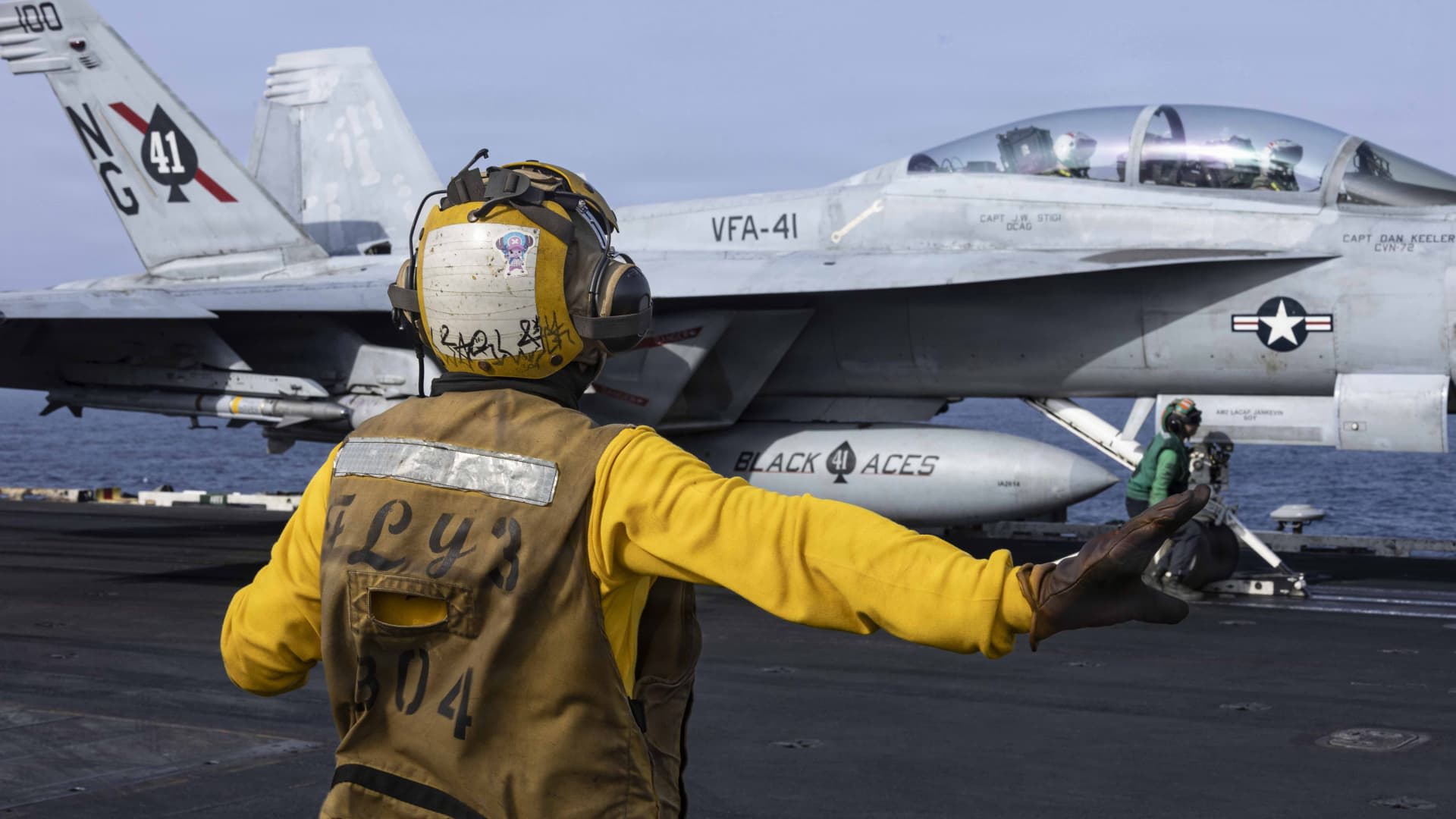
Escalating military tensions between the U.S. and Iran are driving up oil prices and fueling global inflation concerns. Analysts warn that energy-dependent regions face significant economic risks as the conflict threatens to enter a prolonged, volatile phase.
Escalating Middle East Tensions and the Return of Inflationary Pressures
The geopolitical landscape in the Middle East has shifted into a precarious state as hostilities between the United States and Iran intensify. Following a series of military engagements, including the U.S. conducting its 10th consecutive night of strikes, the conflict appears to be entering a longer-term and more volatile phase. This escalation, compounded by the Houthi-declared maritime embargo against Saudi Arabia, has sent shockwaves through global markets, placing inflation fears firmly back at the center of economic discourse.
The Direct Link Between Conflict and Oil Prices
At the heart of the current economic anxiety is the volatility of energy markets. As regional stability wanes, the disruption to supply chains and the looming threat to maritime shipping lanes have kept oil prices elevated. While markets may see minor, short-term fluctuations, the underlying trend remains one of upward pressure. This phenomenon is a classic example of geopolitical risk premiums being priced into commodities, as traders anticipate potential supply shocks resulting from further military action.
Quantifying the Global Economic Impact
Financial analysts are moving beyond speculation to quantify the damage. BlackRock has projected that the ongoing conflict could add approximately 0.8 percentage points to global headline inflation. This is not merely a localized issue; it is a systemic threat to global purchasing power. The impact, however, will be asymmetrical. Europe and parts of Asia, which rely heavily on energy imports, are significantly more vulnerable to these price spikes compared to energy-exporting nations.
Institutional Concerns and Policy Dilemmas
Institutions like OCBC have highlighted the precarious position of central banks, particularly the Federal Reserve. With labor market data showing stabilization, a fresh energy shock complicates the path forward for monetary policy. If inflation remains sticky due to rising energy costs, the Federal Reserve may be forced to keep interest rates higher for longer to combat price instability, potentially stifling economic growth elsewhere in the market.
Implications for Wall Street and Investor Sentiment
Wall Street is currently recalibrating its outlook as the reality of a protracted conflict sets in. Investors are closely monitoring sectors sensitive to energy costs, such as transportation, manufacturing, and consumer goods. The combination of rising operational costs and the potential for a broad-based economic slowdown has led to a defensive posture among many market participants, as they weigh the risks of a sustained war against the resilience of the U.S. domestic economy.
Conclusion: A Path of Uncertainty
As the U.S. and Iran continue to trade strikes, the global economy faces a period of heightened uncertainty. The intersection of military escalation and economic vulnerability creates a fragile environment where energy prices act as a primary catalyst for broader financial instability. Moving forward, the duration and intensity of these hostilities will be the deciding factors in whether the global economy manages to navigate this inflationary pressure or succumbs to a more sustained period of economic hardship.
Multiple Citing Sources