Why is ESPN firing Karl Ravech? Uproar erupts as network begins layoffs, ‘RIP, Classic Sportscenter’
Source Entity
Latest News: Today's Latest News Headlines from India & World | Hindustan Times | Hindustan Times
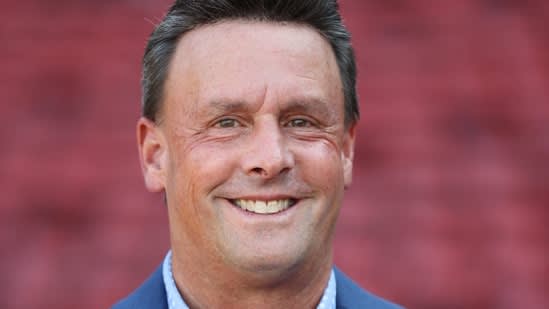
ESPN is reportedly parting ways with veteran announcer Karl Ravech as part of a significant wave of layoffs. These staff reductions are tied to the network's strategic integration of the NFL Network following a recent equity stake acquisition.
The Shifting Landscape of Sports Broadcasting
The sports media industry is currently undergoing a period of profound structural transformation, and the reported departure of veteran ESPN announcer Karl Ravech stands as a primary example of this volatility. After more than three decades at the network, Ravech—widely recognized as a lead voice for Sunday Night Baseball—is expected to be let go as part of a broader initiative of cost-cutting and organizational restructuring. This news, initially reported by Andrew Marchand of The Athletic, signals that even the most established voices are not immune to the economic pressures facing legacy media outlets.
The Strategic Context of Recent Layoffs
These personnel reductions are not isolated incidents but are rather symptomatic of a larger strategic pivot by ESPN. The network is currently in the process of integrating the NFL Network into its operations, a move precipitated by the NFL’s 10% equity stake acquisition in ESPN. As the network absorbs these new assets and balances the financial realities of modern broadcasting, management is clearly prioritizing operational efficiency, which has unfortunately necessitated the departure of long-tenured talent.
The Erosion of the 'Classic' Era
For many viewers, the potential exit of a fixture like Ravech symbolizes the end of an era for the network’s flagship programming. The outcry from fans, often summarized by the social media sentiment of "RIP, Classic Sportscenter," reflects a deep-seated apprehension regarding the changing identity of ESPN. As the network shifts toward a more integrated, multimedia-focused model, the traditional personality-driven approach that defined the 1990s and 2000s is being systematically replaced by a leaner, more streamlined production style.
Patterns in Talent Management
Ravech’s anticipated departure follows the recent exit of Ryan Clark, another prominent figure within the ESPN ecosystem. When viewed collectively, these moves suggest a deliberate effort by the network to recalibrate its payroll and programming strategy. By parting ways with high-profile veterans, ESPN is likely looking to clear space for new initiatives or simply reduce the overhead costs associated with legacy contracts in favor of a more agile workforce suited for the current digital-first media landscape.
Future Implications for Sports Media
The integration of the NFL Network is a bellwether for the future of sports broadcasting, where deep partnerships between leagues and media giants will likely dictate the survival of individual programs. As ESPN moves forward, the industry should expect continued friction between the desire to maintain the "classic" viewer experience and the economic necessity of adapting to a market where content ownership and distribution rights are increasingly centralized. The departure of voices like Karl Ravech serves as a stark reminder that in the modern sports media economy, organizational integration often comes at a significant human cost.
Verification Required?