Pakistan's Harappan moment: Reconciling a 5,000-year civilisation with a 1947 national identity
Source Entity
Latest News: Today's Latest News Headlines from India & World | Hindustan Times | Hindustan Times
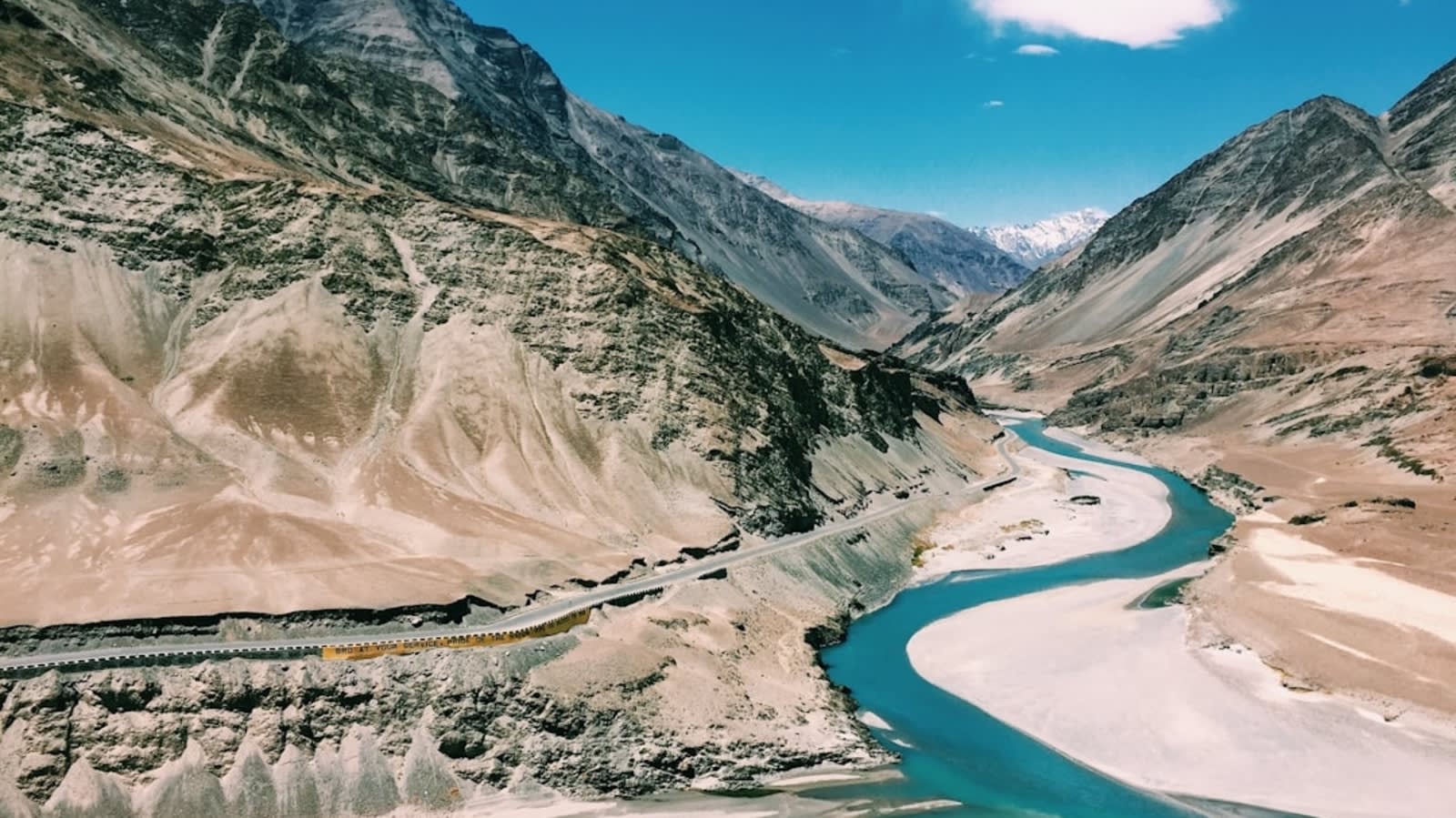
Pakistan is pivoting its national narrative to emphasize its Indus Valley Civilisation heritage in an apparent effort to gain leverage in water disputes with India. This shift contrasts sharply with its existing hardline Islamic constitutional framework.
The Indus Identity Pivot: Pakistan’s Strategic Rebranding
Pakistan is currently navigating a profound ideological shift, attempting to reconcile its 1947 foundation as a Muslim-majority state with a new, ancient identity centered on the 5,000-year-old Indus Valley Civilisation (IVC). By highlighting sites like Harappa, Mohenjo-Daro, and the Gandhara region, Islamabad is moving beyond traditional religious rhetoric to project a more secular, historically deep national image on the global stage.
Geopolitical Leverage and the Indus Waters Treaty
This cultural pivot appears inextricably linked to the ongoing tensions surrounding the Indus Waters Treaty. Faced with international scrutiny and diplomatic pressure following the Pahalgam attack, Pakistan is utilizing its status as the geographical custodian of the Indus river system to influence negotiations with the Modi government. By framing itself as the heir to the IVC, Islamabad may be attempting to secure a moral and historical claim to the river’s resources that transcends modern political borders.
The Dissonance of National Identity
There exists a clear, inherent tension between this new heritage-based branding and the country’s internal realities. Pakistan’s constitution, military doctrine, and stringent blasphemy laws continue to enforce a strictly Islamic identity. This creates a dual-track narrative: one designed for international diplomacy and soft power, and another that maintains the domestic status quo of religious conservatism. The effort to claim the pre-Islamic history of the region is a tactical maneuver that sits uncomfortably alongside these established state pillars.
Archaeological Sites as Diplomatic Tools
Historically, archaeological sites like Taxila and Mohenjo-Daro were viewed as relics of a distant past. Today, they have been repurposed as instruments of cultural diplomacy. By positioning itself as the guardian of these ancient urban centers, Pakistan seeks to cultivate an image of a stable, historically rooted nation rather than one defined solely by post-1947 geopolitical conflicts.
Future Implications and Regional Stability
As Pakistan continues to lean into this 'Harappan moment,' the international community will be watching to see if this rebranding leads to tangible shifts in policy or if it remains a superficial attempt to gain leverage in water disputes. If this shift is intended to soften Pakistan's global image to facilitate better outcomes in the Indus Waters Treaty, it highlights the desperate nature of the country's current economic and diplomatic position. Whether this strategy can coexist with the state's hardline religious framework remains a critical question for regional observers.
Multiple Citing Sources
Verification Required?