US claims of Cuba’s ‘unique threat’ jar with reality of hunger and blackouts
Source Entity
Ruaridh Nicoll in Havana
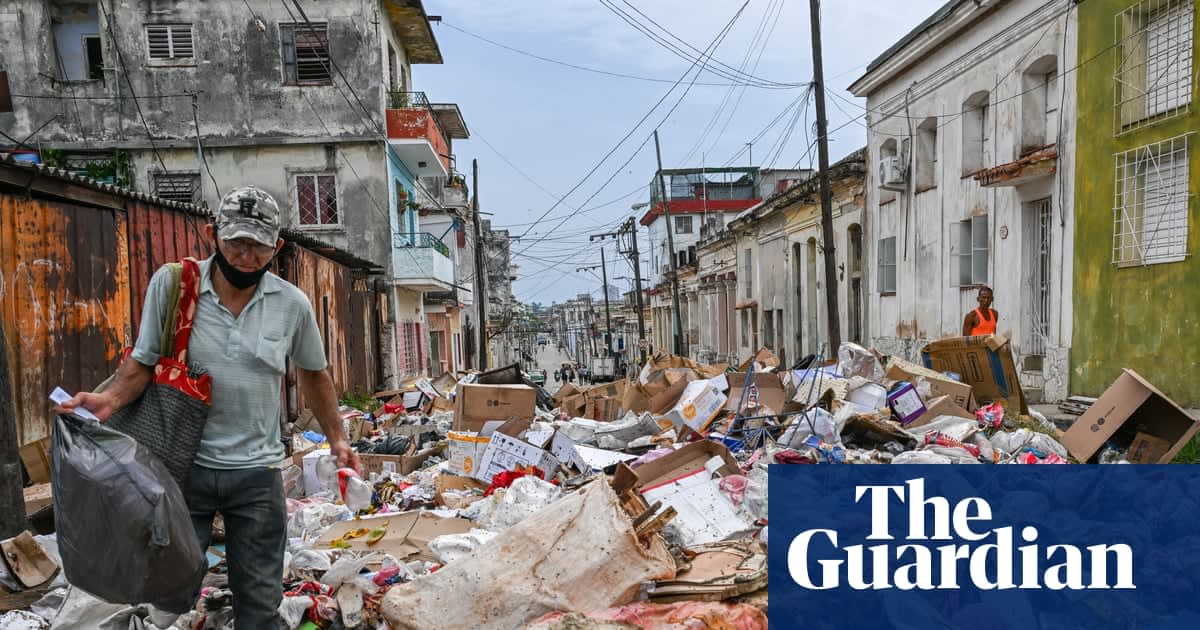
The US State Department has released a report accusing Cuba of orchestrating major domestic political unrest in America. Critics argue these claims contrast sharply with the severe humanitarian crisis, including food shortages and blackouts, currently gripping the island nation.
The Growing Chasm Between US Rhetoric and Cuban Reality
The US State Department recently released a 100-page report titled Cuba: Capital of 21st-Century Communism, which posits that the Cuban government is a primary architect behind major domestic political upheavals in the United States. By linking Havana to events ranging from the George Floyd protests to the rise of antifa and student activism, the report characterizes the island nation as a "unique threat" to American homeland security. This narrative marks a significant escalation in the ongoing diplomatic and ideological struggle between Washington and Havana.
Humanitarian Crisis in Havana
While the US report emphasizes national security, the lived reality in Cuba presents a starkly different picture. Residents in Havana are currently grappling with the consequences of a six-month-long US oil blockade, which has crippled the nation’s infrastructure. The resulting energy crisis has forced citizens to endure 24-hour-plus blackouts, leaving homes without electricity and further destabilizing an already fragile economic environment.
The Socio-Economic Toll
The impact of the blockade extends far beyond power outages. Reports from the ground indicate a deepening humanitarian crisis where the scarcity of basic resources has become dire. Citizens are increasingly forced to scavenge through refuse for food, highlighting the disconnect between the high-level political accusations emanating from Washington and the daily survival struggles of the Cuban populace.
Strategic Implications of the "Maximum Pressure" Campaign
This report serves as the latest instrument in a broader "maximum-pressure" campaign aimed at destabilizing the current Cuban administration. By framing the island as a clandestine agitator of American domestic instability, the US government seeks to justify intensified sanctions and isolationist policies. This strategy suggests an attempt to conflate internal American political grievances with external state-sponsored influence, thereby hardening the stance against the Cuban leadership.
Historical Context and Future Trends
The relationship between the United States and Cuba has been defined by decades of Cold War-era tension, yet this recent rhetoric indicates a shift toward blaming the island for contemporary American domestic polarization. If the US continues to prioritize this narrative of "unique threat," it is likely that diplomatic channels will remain frozen, and the humanitarian situation on the island will deteriorate further. The future of this relationship remains precarious, as both nations appear locked in a cycle of accusation and economic attrition that leaves little room for reconciliation or humanitarian relief.