Ann Widdecombe was hit on head repeatedly with hammer, prosecutors say
Source Entity
BBC News
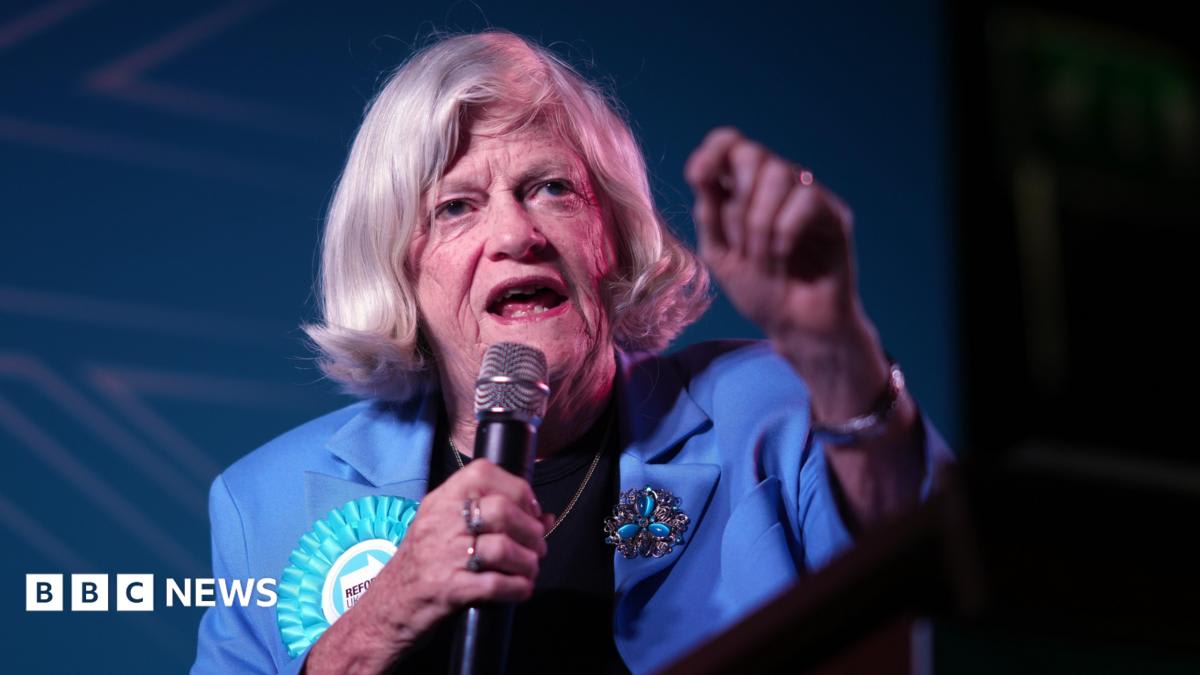
Joshua Kerry, 28, has been charged with the murder of former Conservative minister Ann Widdecombe. The investigation is being led by counter-terrorism police, who are examining potential political motivations behind the fatal hammer attack.
The Tragic Killing of Ann Widdecombe: A Judicial and Investigative Overview
The Charges and Judicial Proceedings
Joshua Kerry, a 28-year-old resident of Rotherham, South Yorkshire, is currently facing murder charges following the death of Ann Widdecombe, a former Conservative minister and Reform UK spokeswoman. The legal process began at Westminster Magistrates' Court, where prosecutors detailed the harrowing circumstances of the incident. Kerry was remanded in custody and is expected to appear at the Old Bailey to answer for the charges brought against him.
Details of the Incident
According to the prosecution, the incident occurred on July 8 at Widdecombe’s home in Haytor, Devon. Prosecutor Kashif Malik informed the court that the accused allegedly arrived at the property in a red Vauxhall Corsa and entered through the front door. The prosecution alleges that Kerry, wearing black gloves, proceeded to strike the 78-year-old victim 21 times with a hammer while she was eating lunch, before tipping her from her chair and fleeing with her wallet. The brutality of the act has shocked the public, particularly given the victim's high profile in British political life.
Counter-Terrorism Involvement
The involvement of Counter Terrorism Policing (CTP) underscores the gravity and complexity of this investigation. Laurence Taylor, head of UK Counter Terrorism Policing, has characterized the inquiry as "intensive and complex," noting that investigators have pursued over 800 lines of enquiry. While the investigation remains ongoing, authorities have clarified that they are not currently seeking any other suspects in connection with the murder.
Investigating Potential Motives
A critical component of the ongoing investigation is determining the "why" behind the attack. Because of the victim's prominent background in politics, Counter Terrorism Policing has explicitly stated that they are actively investigating whether there was a political motivation behind the crime. Kerry was initially arrested on suspicion of murder on July 11, followed by a subsequent arrest on July 13 on suspicion of the commission, preparation, or instigation of acts of terrorism.
Broad Implications and Future Trends
This case highlights the intersection of criminal violence and the heightened security climate surrounding political figures in the UK. The methodical nature of the investigation—involving a vast array of evidence gathering—reflects the authorities' determination to uncover any potential ideological drivers. As the case moves to the Old Bailey, the legal system will be tasked with weighing the evidence and establishing whether the act was a singular criminal event or one rooted in broader, more sinister motivations. The outcome of this trial will be closely watched, as it touches upon the safety of public figures and the efficacy of counter-terrorism oversight in domestic criminal matters.
Multiple Citing Sources