Trump announces 50% tariffs on Canada, escalating US-Canada trade tensions
Source Entity
Latest News: Today's Latest News Headlines from India & World | Hindustan Times | Hindustan Times
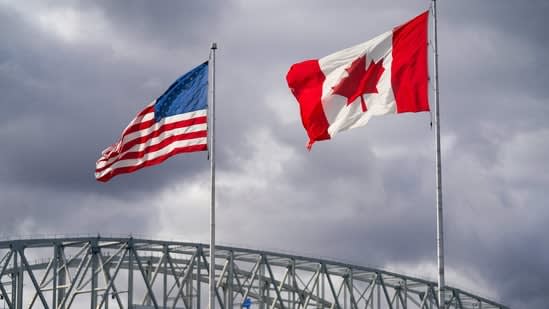
President Trump has imposed a 50% tariff on most Canadian goods, citing unfair trade practices regarding autos, alcohol, and dairy. This move signals a significant escalation in North American trade tensions, threatening to undermine the USMCA framework.
Escalation of North American Trade Tensions
President Donald Trump has initiated a significant shift in North American economic policy by imposing 50% tariffs on a broad range of Canadian imports. This aggressive trade maneuver, executed through three distinct presidential proclamations, marks a stark departure from the cooperative framework that has traditionally defined the relationship between the United States and its northern neighbor. By invoking Section 338 of the Trade Act of 1930, the administration is signaling a shift toward protectionism, framing these measures as a direct response to what it describes as systemic trade discrimination.
The Core Drivers of Conflict
The administration’s justification for these steep tariffs centers on three specific sectors: motor vehicles, alcohol, and dairy products. According to senior officials, the U.S. government believes these industries have been subjected to unfair trade barriers that disadvantage American exporters. By leveling these punitive duties, the White House claims it is attempting to correct perceived imbalances in the bilateral trade relationship. This move appears to be part of a broader, more combative approach to international commerce that prioritizes domestic industrial protection over regional trade stability.
Impact on the USMCA Framework
A particularly concerning aspect of these tariffs is their impact on the United States-Mexico-Canada Agreement (USMCA). Many of the goods now subject to the 50% levy were previously protected under the terms of this trilateral pact, which was designed to facilitate free trade and supply chain integration. By unilaterally imposing duties on goods meant to be exempt, the administration is effectively testing the durability of the USMCA and inviting legal and diplomatic challenges. This erosion of trust threatens to destabilize the integrated supply chains that have for decades linked the American and Canadian economies.
Exemptions and Strategic Priorities
While the scope of the tariffs is extensive, the administration has carved out specific exemptions for energy products, potash, fish, and critical minerals. This suggests a strategic effort to avoid domestic supply chain shocks in essential sectors, particularly those related to natural resources and energy security. However, the exclusion of these items does little to mitigate the broader economic uncertainty caused by the tariffs on manufactured and agricultural goods. The decision to spare these specific sectors reflects a delicate balancing act between pursuing aggressive trade policy and maintaining access to vital raw materials.
Broader Implications and Future Risks
The imposition of these tariffs serves as a clear indicator of the frayed nature of U.S.-Canada relations. Beyond the immediate economic costs, the move risks triggering a retaliatory cycle, similar to the friction observed during previous trade disputes. Additionally, the administration’s rhetoric—which has previously linked trade enforcement to grievances such as Canadian wildfire smoke drifting across the border—suggests that the current trade environment is highly volatile. As aides explore the possibility of further tariffs, industries on both sides of the border face the prospect of sustained economic instability and the potential for long-term structural changes in North American trade dynamics.
Multiple Citing Sources
Verification Required?