UK village hopes £35,000 beaver-style dams will stop next deluge
Source Entity
TOI WORLD DESK
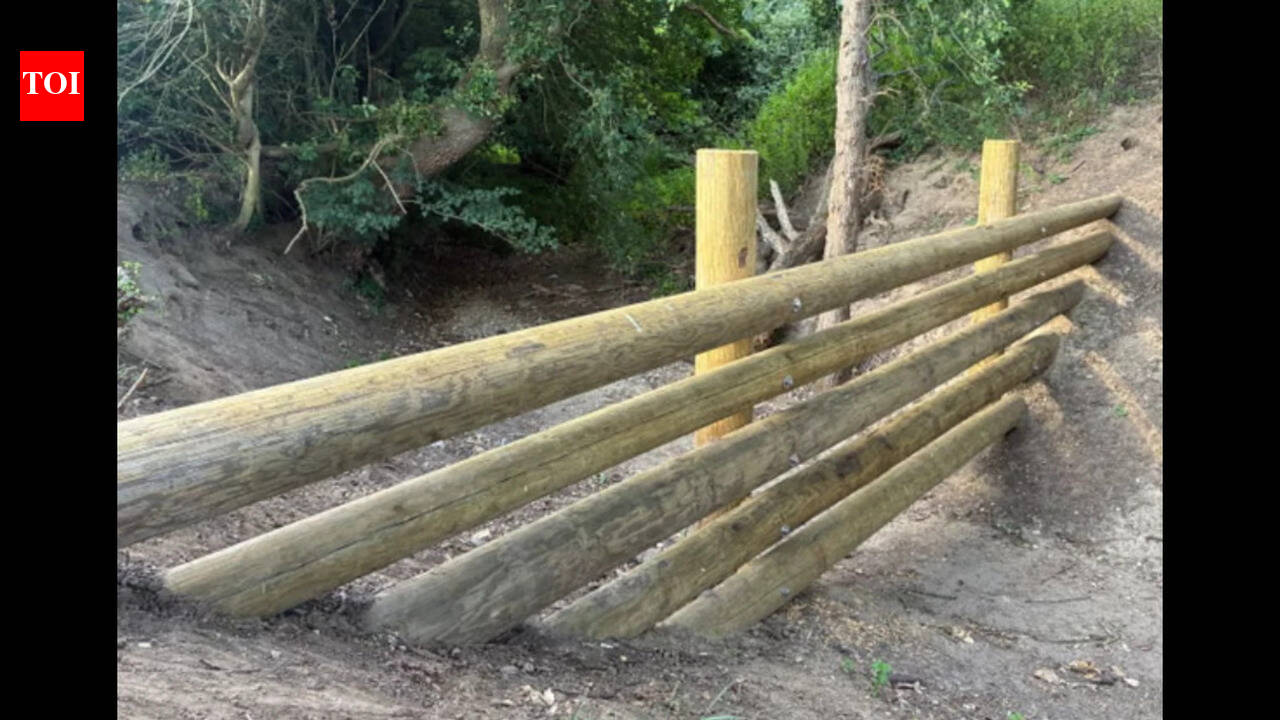
A Norfolk village has installed £35,000 in beaver-inspired leaky dams to mitigate future flood risks. This project highlights the dual challenge of managing extreme climate volatility, ranging from severe drought to sudden deluge.
Engineering Resilience: Norfolk's Nature-Based Flood Defense
In a proactive move to mitigate the impacts of climate volatility, the village of Caistor St Edmund in Norfolk has invested £35,000 into the installation of four "leaky dams." These structures, modeled after the natural engineering of beavers, are designed to slow the velocity of water flow during heavy rainfall events. By utilizing logjams that permit controlled passage of water rather than creating total blockages, the village is attempting to prevent a repeat of the severe flooding experienced in 2020.
The Paradox of Climate Extremes
The initiative highlights the increasingly erratic weather patterns currently impacting East Anglia. While the region is currently grappling with extreme drought conditions—necessitating stringent hosepipe bans that restrict domestic water usage for gardening, car washing, and recreational activities—communities must simultaneously prepare for the threat of flash flooding. The ground in areas like Caistor St Edmund has become so parched and compacted that it acts more like pavement than soil, drastically increasing the risk of surface runoff when heavy rains finally arrive.
Beavers as Ecosystem Engineers
Beavers are widely recognized in conservation science as "ecosystem engineers" because their instinctive dam-building activities naturally reshape river landscapes and restore wetlands. By mimicking these structures, human engineers are tapping into low-cost, high-impact strategies to manage hydrology. These leaky dams do not merely stop water; they manage its transit through the landscape, allowing it to permeate the soil more effectively, which is essential for replenishing groundwater levels during periods of drought.
Broader Implications for Rural Landscapes
The dual challenge of drought and flood is placing unprecedented pressure on agricultural communities. Farmers in East Anglia have already faced the challenges of harvesting crops under extreme heat and dry conditions. The implementation of natural flood management (NFM) techniques suggests a shift in how rural regions are approaching infrastructure. Instead of relying solely on "hard" engineering solutions like concrete channels, there is a growing trend toward working with natural processes to increase landscape resilience.
Future Trends in Climate Adaptation
As climate change continues to drive extreme weather events, the success of small-scale projects like the Caistor St Edmund dams will likely serve as a blueprint for other communities. The integration of traditional conservation knowledge with modern infrastructure needs represents a sustainable path forward. By slowing the water down, these communities are not only protecting themselves from future deluges but also helping to store water in the landscape, providing a buffer against the increasingly frequent and severe droughts that threaten the region's agricultural viability.