What Columbia University’s ‘return to US’ advisory means for Indian students
Source Entity
The Indian Express
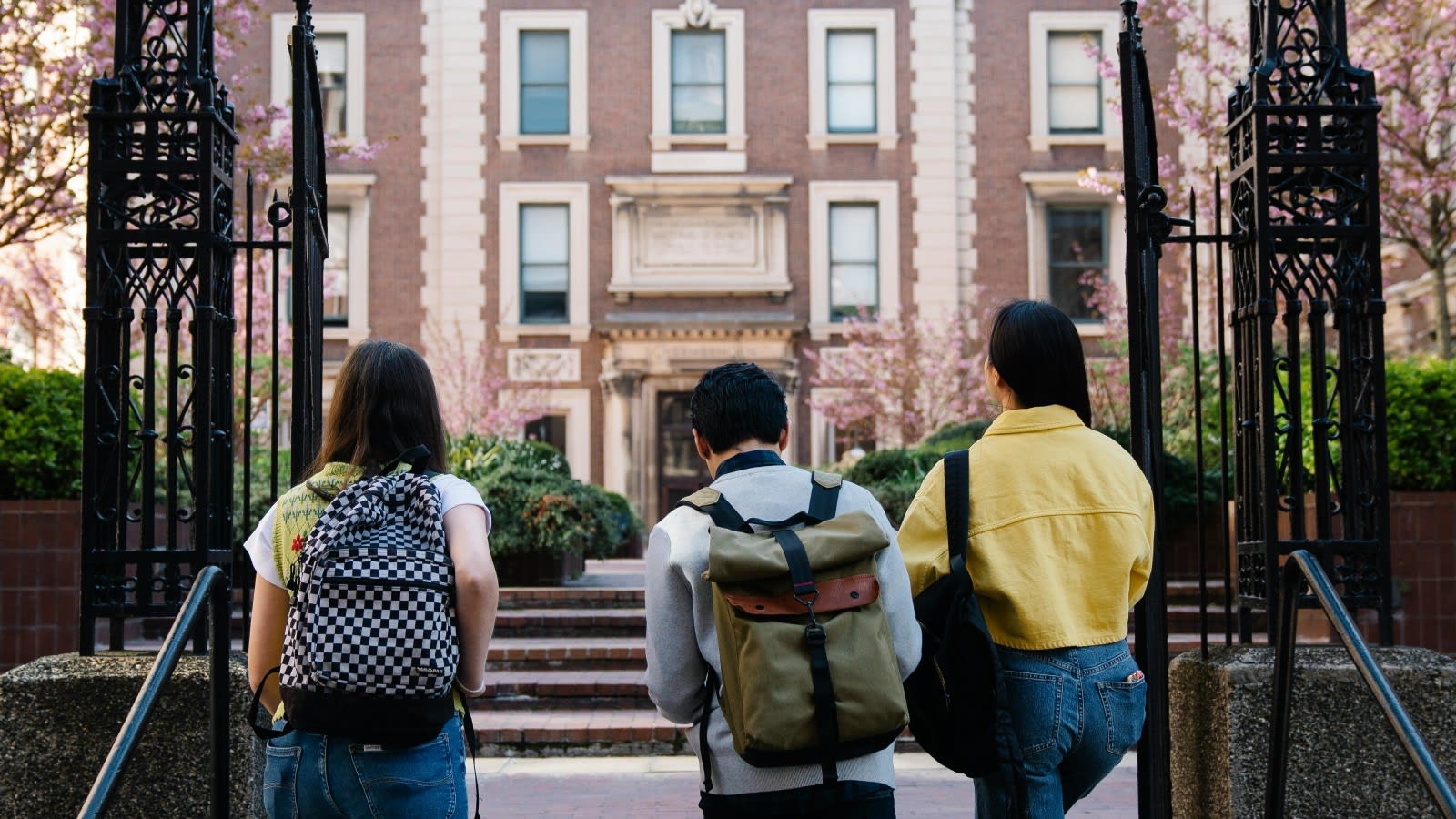
Columbia University has advised international students to return to the US by September ahead of new DHS regulations replacing 'duration of status' with fixed admission periods. Education groups warn these changes will increase bureaucratic hurdles and potentially deter global talent from seeking US education.
The Shift in US Student Visa Policy: Understanding the New DHS Regulations
Columbia University has issued a critical advisory to its international student population, particularly those from India currently on academic breaks, urging them to return to the United States by the first week of September. This directive is a direct response to impending regulatory changes from the Department of Homeland Security (DHS). The core of this shift lies in the transition from a 'Duration of Status' (D/S) policy to a 'fixed time period of admission' framework for F-1 and J-1 visa holders, set to take effect on September 15.
Moving Away from 'Duration of Status'
For decades, international students in the United States operated under the D/S model, which allowed them to remain in the country for the entire duration of their academic program, provided they maintained their student status. This flexibility was a cornerstone of the US international education system, offering stability to researchers and students alike. The new DHS rule fundamentally alters this by mandating fixed periods of admission, essentially requiring students to navigate a more rigid, time-bound legal framework that critics argue introduces unnecessary administrative strain.
Impact on Global Academic Mobility
Leading US higher education organizations have voiced strong opposition to the DHS final rule. These groups argue that replacing the D/S framework with fixed terms will create significant bureaucratic hurdles, complicating the academic decision-making process for both institutions and students. By imposing stricter, time-limited authorizations, the policy risks creating uncertainty for students who may face unexpected delays in their academic progress, such as research extensions or personal leaves of absence.
Implications for Indian Students
Indian students represent one of the largest cohorts of international scholars in the US. For this group, the advisory from Columbia University serves as a vital safeguard to ensure their legal status remains intact before the September 15 deadline. The requirement to return by early September is aimed at preempting potential complications that could arise if a student is outside the country when the new, more restrictive admission rules take effect.
Broader Consequences for US Higher Education
Beyond the immediate logistical challenges, the policy shift has broader implications for the competitiveness of the American education sector. Critics warn that by making the visa process more cumbersome, the United States risks appearing less welcoming to global talent. In an era where international students contribute significantly to the US economy and research output, such regulatory changes could potentially influence the decision-making process for future applicants weighing their options between the US and other global education hubs.
Looking Ahead
As the September 15 implementation date approaches, the academic community remains in a state of adjustment. The transition from a flexible status to a fixed-term model represents a major shift in how the US manages its international student pipeline. While the government aims to increase oversight, the academic sector will be closely monitoring how these fixed periods are administered to ensure they do not disrupt the educational journeys of the thousands of international students currently enrolled in US institutions.