‘Terrible’: Bombay HC steps in to save mangroves, orders removal of encroachments at Kandivali pond
Source Entity
Omkar Gokhale
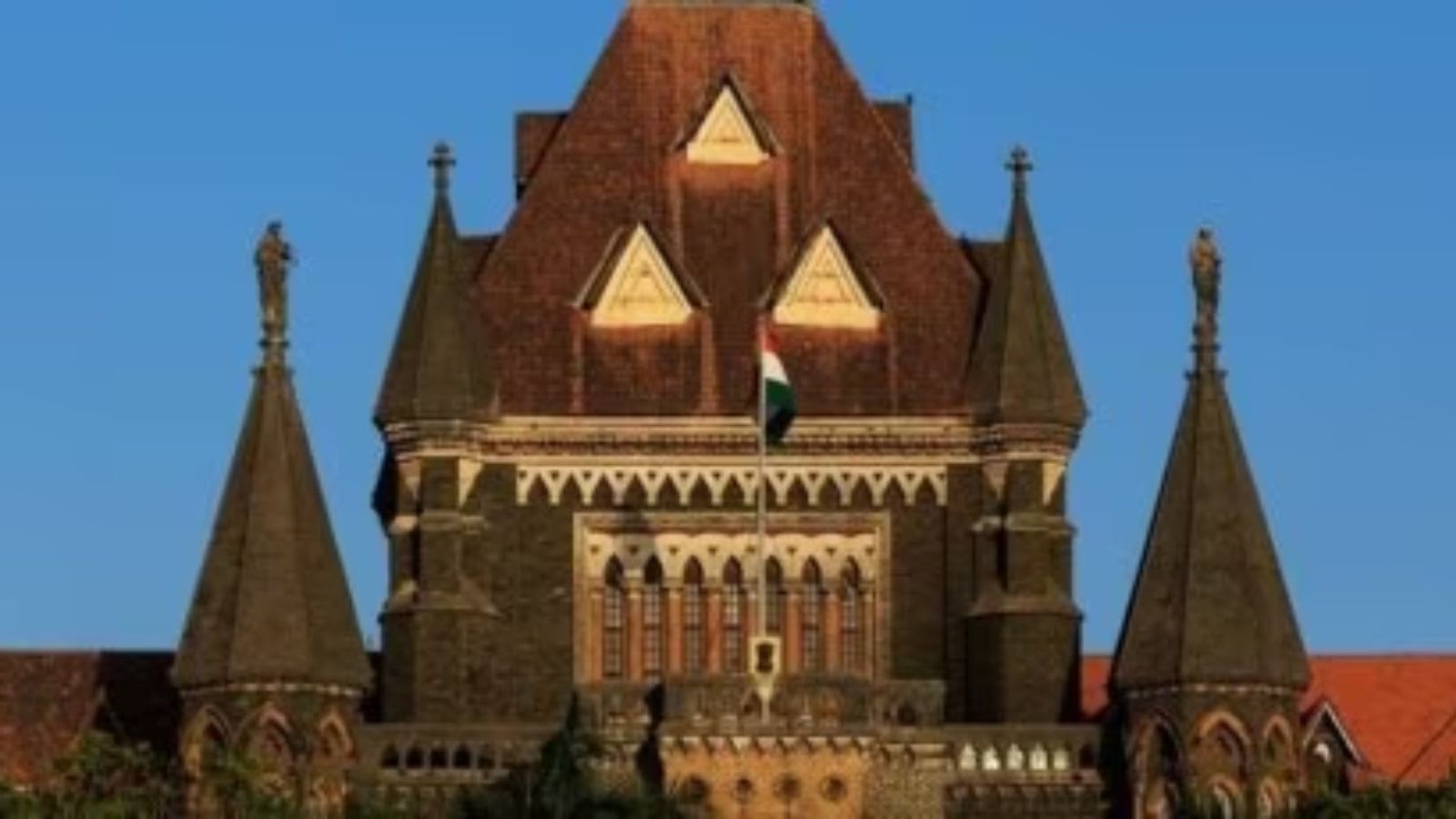
The Bombay High Court has ordered the immediate removal of encroachments surrounding a natural pond in Charkop, Kandivali, to protect vital mangrove ecosystems. The court criticized the site's current state as terrible and directed the district collector to clear the area before beautification efforts begin.
Judicial Intervention for Mangrove Conservation in Mumbai
A Crisis of Urban Encroachment
The Bombay High Court, led by Acting Chief Justice Ravindra V. Ghuge and Justice Gautam A. Ankhad, has issued a stern directive regarding the deteriorating state of a natural pond in Charkop, Kandivali (West). By describing the site's condition as "shocking and terrible," the bench has highlighted the ongoing struggle between urban expansion and environmental preservation. The presence of illegal encroachments and significant garbage accumulation has created a direct threat to the surrounding mangrove ecosystem, which serves as a critical natural defense for Mumbai's coastline.
The Legal Mandate and Institutional Roles
The court's intervention came in response to a plea filed by the Brihanmumbai Municipal Corporation (BMC), which sought permission to initiate beautification projects at the Charkop Sector 7 pond. However, the judiciary took a firm stance, emphasizing that the removal of illegal structures must precede any aesthetic or structural improvements. By tasking the district collector with the immediate removal of these encroachments, the court has clarified the chain of responsibility, ensuring that administrative hurdles do not delay the protection of these essential wetlands.
Environmental Significance of Mangroves
Mangroves are not merely aesthetic features of the Mumbai landscape; they act as vital buffers against storm surges and soil erosion. The encroachment identified by the court poses a systemic risk, as the degradation of the pond's periphery compromises the health of the mangroves themselves. The court’s insistence that the area be cleared before any construction—specifically rejecting the BMC's initial request to build a gabion wall—reflects a prioritized approach toward ecological restoration over mere architectural landscaping.
Historical Context of Judicial Oversight
This directive is part of a broader, long-standing pattern of judicial activism in Maharashtra regarding environmental protection. The Bombay High Court has frequently stepped in to prevent the systematic destruction of mangroves, which are often targeted by land developers and informal settlements. By forcing the hand of the district administration and the BMC, the court is reinforcing the legal protections afforded to coastal regulation zones, sending a message that urban development cannot come at the expense of protected natural resources.
Future Implications and Urban Planning
Moving forward, this ruling sets a precedent for how the BMC and other municipal bodies must approach urban beautification projects. Future initiatives will likely require a comprehensive environmental impact assessment that prioritizes the removal of existing pollutants and illegal structures before any new infrastructure is sanctioned. This shift could lead to more sustainable urban planning, where the preservation of water bodies is treated as a foundational requirement rather than an afterthought in city development strategies.