Cold storage sells farmer’s 48,000 kg carrots without consent, ordered to pay Rs 31.5 lakh
Source Entity
Somya Tyagi
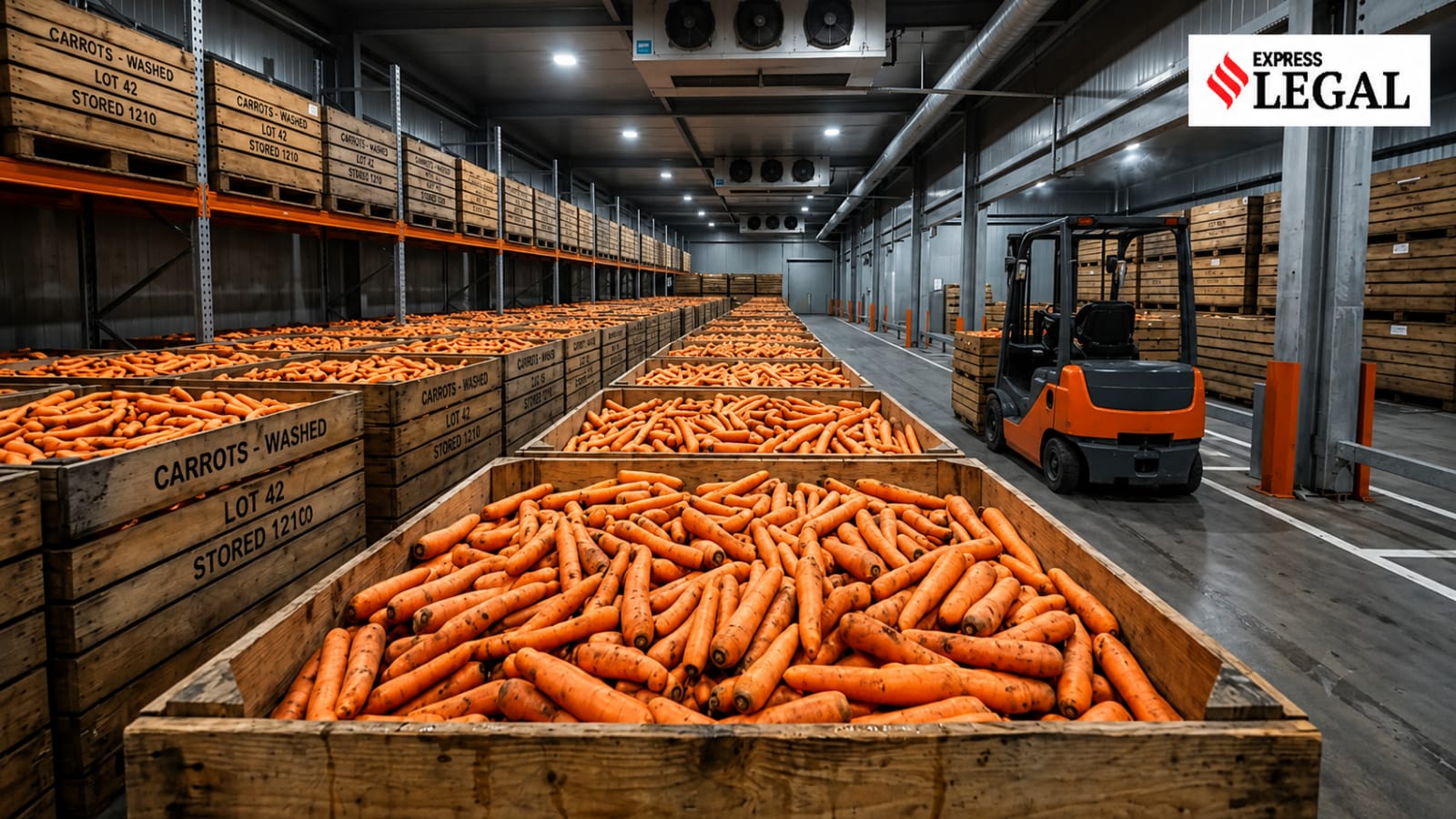
The Madhya Pradesh State Consumer Disputes Redressal Commission has ordered a cold storage facility to pay a farmer Rs 31.54 lakh. The facility was found liable for selling over 48,000 kg of the farmer's produce without consent.
Consumer Justice for Farmers: A Landmark Ruling
The Madhya Pradesh State Consumer Disputes Redressal Commission has delivered a significant verdict holding a cold storage facility accountable for the unauthorized sale of a farmer's produce. In a case involving over 48,000 kilograms of carrots, the commission found the facility guilty of a major deficiency in service, ordering compensation of Rs 31.54 lakh to the aggrieved farmer. This ruling underscores the vulnerability of agricultural producers when relying on third-party storage infrastructure.
The Breach of Trust
The conflict originated when the farmer deposited his harvest of carrots and beetroots, valued at approximately Rs 40.19 lakh, into the cold storage facility. The facility later claimed the produce had spoiled, using this as a justification to sell the goods without the farmer's knowledge or consent. By pocketing the profits from this unauthorized sale, the facility committed a severe breach of the bailment contract that exists between a storage provider and a client.
Judicial Observations on Storage Necessity
Presided over by Justice (retired) Sunita Yadav and Member Monika Malik, the commission provided critical commentary on the purpose of cold storage in the agricultural supply chain. The bench noted that farmers utilize these facilities specifically to mitigate risks associated with heat and unpredictable weather conditions. By arbitrarily deciding the produce was 'rotten' and disposing of it, the facility undermined the very safety net that the farmer had paid to secure, effectively stripping the producer of his livelihood.
Defining Deficiency in Service
The commission’s decision to award Rs 31.54 lakh serves as a strong legal precedent regarding the fiduciary duty of storage operators. In the eyes of the law, the facility did not merely provide a space for storage; it assumed a responsibility for the preservation of the farmer’s assets. Failing to communicate with the owner before the sale constituted a clear violation of consumer rights, as the facility acted in its own financial interest rather than protecting the goods entrusted to it.
Broader Implications for Agriculture
This case highlights a systemic issue where small-scale farmers often lack the leverage to challenge larger commercial entities. Cold storage facilities are essential infrastructure for reducing post-harvest losses, yet this incident reveals a lack of transparency and regulatory oversight. As India continues to push for better cold chain logistics to boost farmers' income, this judgment serves as a stern warning that service providers cannot treat farmers' capital as their own assets.
Conclusion
Ultimately, the Madhya Pradesh State Consumer Disputes Redressal Commission's intervention provides a necessary measure of relief to the farmer. By penalizing the cold storage facility, the court has reinforced the protection of agricultural producers under consumer law. Moving forward, this case will likely encourage more rigorous documentation and transparent communication protocols within the cold storage industry, ensuring that the interests of the farming community remain protected against arbitrary commercial practices.