Why Tamil Nadu and Karnataka are sparring over Cauvery water? | Explained
Source Entity
India Latest News: Top National Headlines Today & Breaking News | The Hindu
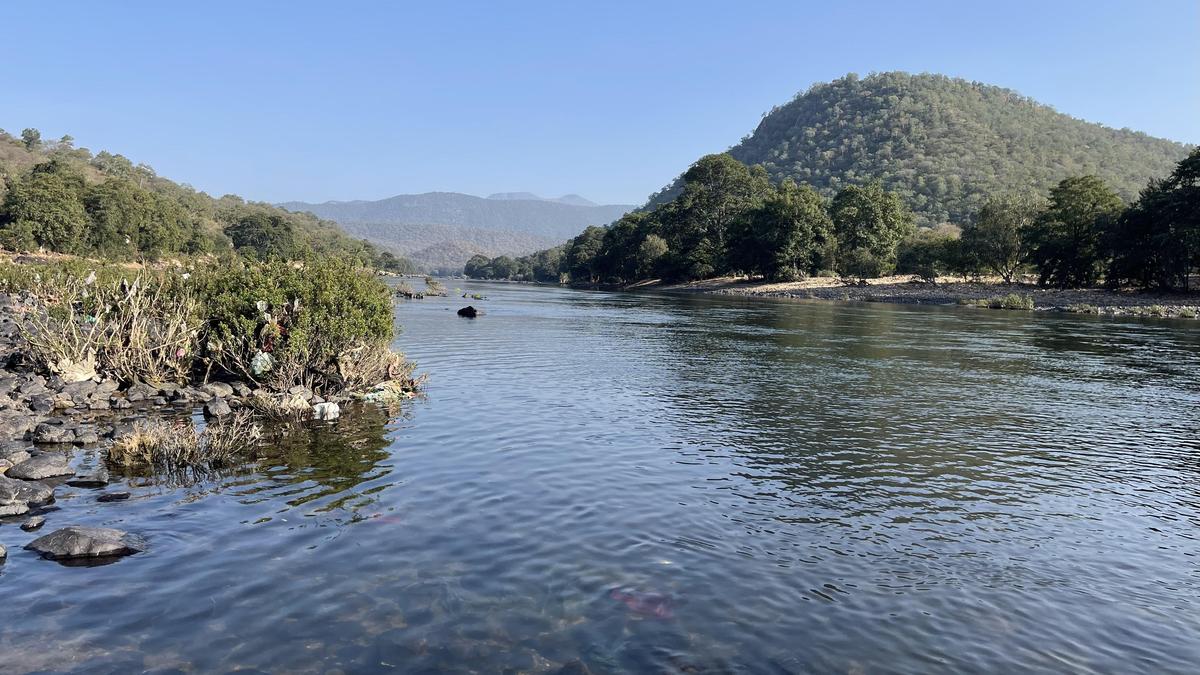
The Cauvery Water Management Authority is convening its 53rd meeting to address water-sharing disputes between Tamil Nadu and Karnataka amid poor monsoon rainfall. The discussions focus on implementing the 2018 Supreme Court judgment during periods of distress.
The Cauvery Conflict: A Persistent Regional Challenge
The Cauvery water dispute remains one of India’s most complex inter-state challenges, resurfacing with renewed intensity as the 53rd meeting of the Cauvery Water Management Authority (CWMA) convenes in New Delhi. On July 22, 2026, representatives from Karnataka and Tamil Nadu are set to clash over the management of limited water resources. The core of this friction lies in the deficient southwest monsoon, which has severely impacted the catchment areas of the Cauvery river, forcing both states into a precarious position where agricultural and drinking water needs are at risk.
The Legal Framework: From Tribunal to Authority
To understand the current impasse, one must look at the institutional history designed to mitigate these tensions. The CWMA, established on June 1, 2018, serves as the primary implementation mechanism for the final award delivered by the Cauvery Water Disputes Tribunal (CWDT) in 2007, as well as the landmark 2018 Supreme Court judgment. This legal architecture was intended to move the dispute away from ad-hoc political negotiations and toward a rule-based system of water allocation. However, the current distress scenario tests the limits of this framework.
The Challenge of Distress Sharing
The fundamental point of contention is the absence of a universally accepted 'distress-sharing' formula. While the 2018 Supreme Court judgment provided a definitive allocation of water, it did not explicitly detail how the burden should be shared when the monsoon fails to deliver expected inflows. Consequently, during years of drought or weak monsoons, both riparian states interpret the scarcity differently, leading to conflicting demands on the CWMA to prioritize their respective state's immediate needs over the other.
Reservoir Dynamics and State Interests
Karnataka, as the upstream state, manages the primary reservoirs that feed the river basin. Tamil Nadu, situated downstream, relies heavily on these releases for its extensive agricultural belt, particularly the Cauvery Delta. When reservoir levels drop, as they have in the current cycle, the technical data on water availability becomes a site of intense political debate. The CWMA’s role is to mediate these technical disputes, but the political pressure from local stakeholders in both states makes achieving a consensus a difficult balancing act.
Future Trends and Implications
Looking ahead, the volatility of the monsoon suggests that the Cauvery dispute will likely remain a recurring feature of southern Indian politics. Climate change models indicate that erratic rainfall patterns may become the new normal, potentially rendering static water-sharing quotas inadequate for long-term sustainability. The CWMA will need to evolve its methodology to include more predictive hydrological data and perhaps a more robust, dynamic model for distress sharing that can be triggered automatically when specific rainfall thresholds are not met.
Conclusion
The 53rd CWMA meeting represents more than just a routine administrative gathering; it is a critical test of India's federal water management systems. As Karnataka and Tamil Nadu present their cases, the outcome will have direct consequences for the livelihoods of millions. The resolution of this dispute requires not only legal adherence to the 2018 Supreme Court mandate but also a collaborative spirit that acknowledges the shared ecological reality of the Cauvery basin.
Verification Required?