Methane Gas Leak Triggered Sikkim Tunnel Collapse That Killed 10: Sources
Source Entity
NDTV News Search Records Found 1000
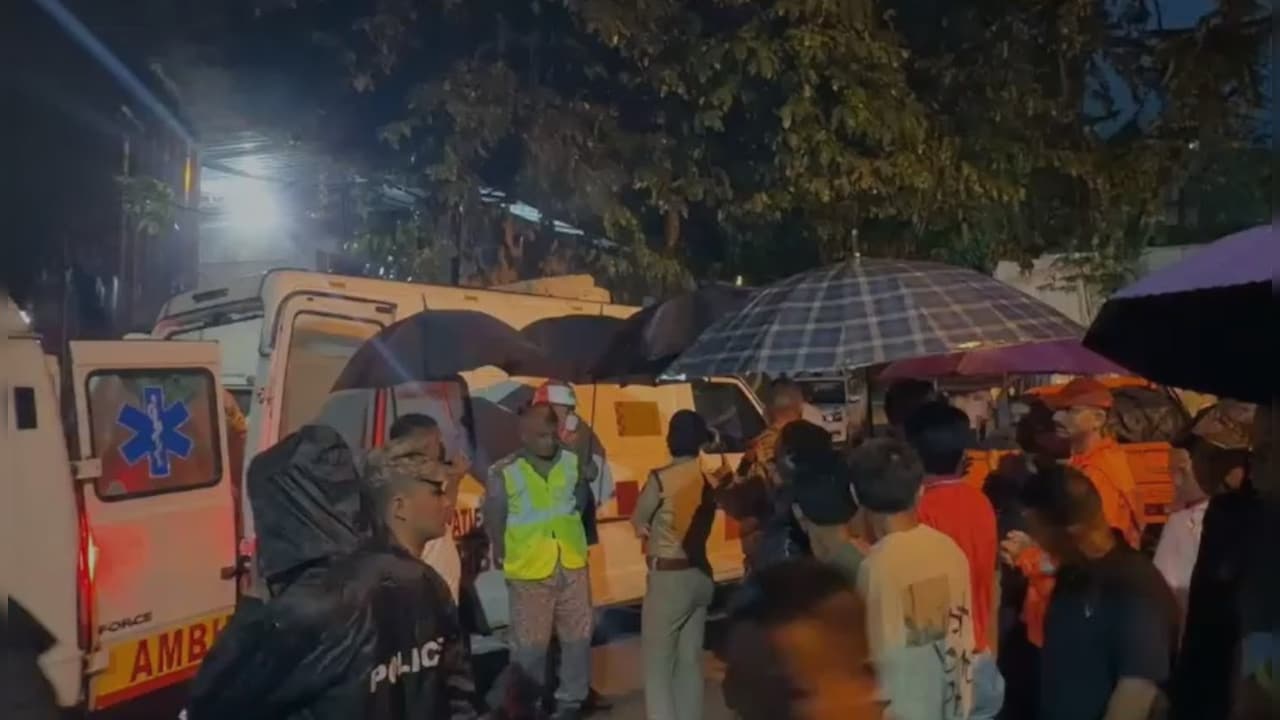
A landslide at the Samardung tunnel in Sikkim's Namchi district has left several workers trapped and resulted in at least seven confirmed fatalities. Rescue operations are currently underway, complicated by a suspected gas leak and unstable geological conditions at the NHPC Teesta Stage VI project site.
Tragedy Strikes Sikkim: The Samardung Tunnel Collapse
A catastrophic landslide at the Samardung site in Sikkim's Namchi district has triggered a major emergency response, leaving multiple workers trapped and resulting in at least seven confirmed deaths. The incident, which occurred on Monday afternoon, centers on an under-construction tunnel that serves as a critical component of the National Hydroelectric Power Corporation’s (NHPC) Teesta Stage VI hydroelectric power project.
The Complexity of the Rescue Operation
Rescue efforts have been significantly hampered by the volatile nature of the accident site. Reports indicate that the landslide not only blocked the main entrance of the tunnel but also triggered a suspected gas leak. Authorities believe this gas is emanating from subterranean rock formations disturbed by the shifting earth. Consequently, specialized teams, including the National Disaster Response Force (NDRF) and the State Disaster Response Force (SDRF), have had to utilize gas masks and specialized equipment to penetrate the site, making an already difficult rescue mission exponentially more dangerous.
Scale of the Incident
While initial reports suggested varying numbers of workers involved, local officials, including District Collector Anupa Tamling, have noted the extreme difficulty in confirming the status of those inside. It is understood that approximately 43 workers were present when the landslide occurred, with 16 individuals managing to escape shortly after the initial collapse. The remaining workers, estimated at roughly 27, were caught in the subsequent blockage. The failure of multiple back-to-back rescue attempts underscores the structural instability and the high-risk environment surrounding the Samardung tunnel.
Geological and Safety Implications
This incident highlights the inherent risks associated with large-scale infrastructure projects in the Himalayan region. Sikkim, known for its fragile geological composition and susceptibility to landslides, presents significant engineering challenges. The suspected gas leak suggests that the tunnel excavation may have intersected with pressurized underground pockets, adding a layer of environmental hazard to the structural collapse. This event raises critical questions regarding safety protocols and geological assessment procedures for high-altitude hydroelectric projects.
Current Status and Future Outlook
The situation remains fluid as emergency services, including fire tenders and medical teams, remain stationed at the site. The confirmation of seven fatalities has cast a somber tone over the recovery efforts, which continue under intense scrutiny. As the investigation progresses, authorities will likely be pressured to evaluate the safety measures employed at the Teesta Stage VI project to prevent future recurrences. The focus remains, for now, on the urgent recovery of those still trapped and the stabilization of the tunnel entrance to prevent further movement of the terrain.
Multiple Citing Sources
Verification Required?