Novo Nordisk sues Eli Lilly over ads comparing GLP-1 medications
Source Entity
Jaimy Lee
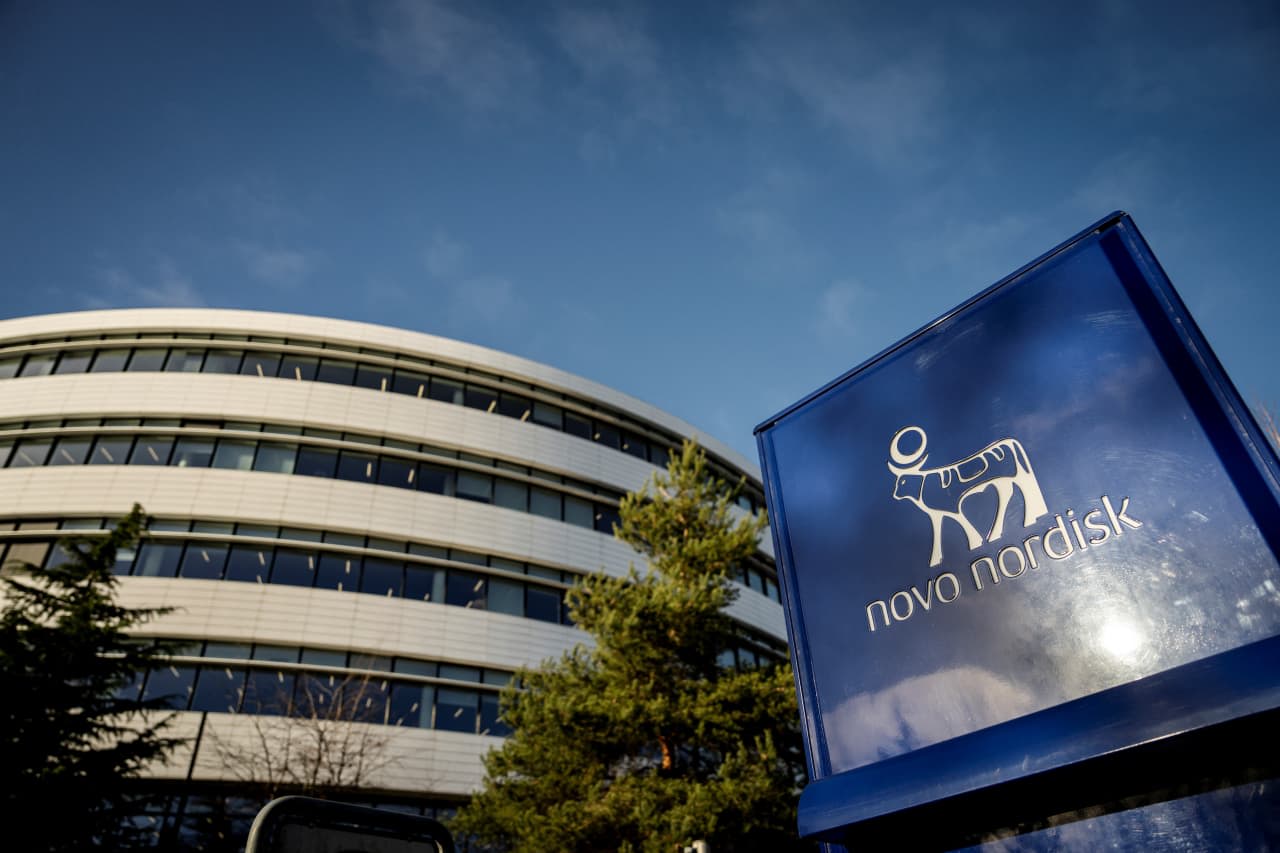
Novo Nordisk has filed a lawsuit against Eli Lilly, alleging that the company uses outdated clinical data in its advertising to falsely claim superiority for its obesity and diabetes drugs. The legal action seeks to halt these campaigns and mandate corrective messaging to ensure consumers receive accurate comparative information.
The Legal Battle for GLP-1 Market Dominance
In a significant escalation of the competition within the pharmaceutical sector, Novo Nordisk has initiated legal proceedings against its primary rival, Eli Lilly. At the heart of this dispute is the aggressive marketing surrounding GLP-1 receptor agonists, a class of drugs that has revolutionized the treatment of obesity and type 2 diabetes. By filing this lawsuit, Novo Nordisk is challenging the transparency and accuracy of promotional materials that have positioned Eli Lilly’s products as inherently superior to their own.
Allegations of Misleading Advertising
Novo Nordisk’s core contention is that Eli Lilly’s current advertising campaigns utilize legacy clinical trial data that fails to account for the most recent advancements in the market. Specifically, the lawsuit alleges that these advertisements compare the highest dosage tiers of Eli Lilly’s medications against lower, older dosage iterations of Novo Nordisk’s portfolio. By omitting the latest clinical evidence, Novo argues that the advertisements create a skewed perception of product efficacy, effectively misleading consumers regarding the relative performance of these life-altering treatments.
The Impact of New Clinical Evidence
Central to the grievance is the emergence of new, high-dose versions of Novo Nordisk’s flagship obesity injection, Wegovy, which received regulatory approval in March. Novo Nordisk asserts that these newer formulations offer weight loss results that are highly competitive with—and potentially comparable to—those offered by Eli Lilly’s offerings. The company argues that by ignoring this data, Eli Lilly is engaging in deceptive practices that unfairly influence consumer choice and market dynamics, ultimately depriving patients of an accurate understanding of the options available to them.
Regulatory and Competitive Implications
This legal action highlights the intense pressure drug manufacturers face as they compete for dominance in a multi-billion dollar weight-loss market. Because these drugs have become cultural and commercial phenomena, the stakes of public perception are incredibly high. Novo Nordisk is seeking a permanent injunction to halt these advertisements and is requesting that the court force Eli Lilly to issue corrective communications. This move underscores the necessity for rigorous adherence to clinical accuracy when pharmaceutical companies engage in direct-to-consumer advertising.
Looking Ahead: The Future of Pharmaceutical Marketing
As the GLP-1 market continues to evolve, this case serves as a pivotal test for how pharmaceutical companies manage competitive comparisons in their advertising. If the court finds merit in Novo Nordisk’s claims, it could set a strict precedent for how clinical trials are cited in marketing materials, forcing companies to update their claims in real-time as new data emerges. The outcome will likely influence how both firms approach their marketing strategies, potentially leading to more cautious and transparent comparative advertising across the entire industry.
Conclusion
In summary, the lawsuit filed by Novo Nordisk against Eli Lilly is not merely a corporate dispute, but a critical examination of the ethics of pharmaceutical marketing. By alleging that Eli Lilly relies on outdated trials to claim superiority, Novo Nordisk is fighting to protect its market share and ensure that the narrative surrounding these powerful medications remains grounded in the most current and comprehensive clinical evidence.
Multiple Citing Sources
Verification Required?