With a page out of China book, Tamil Nadu maintains lead in share of women workers
Source Entity
Siddharth Upasani
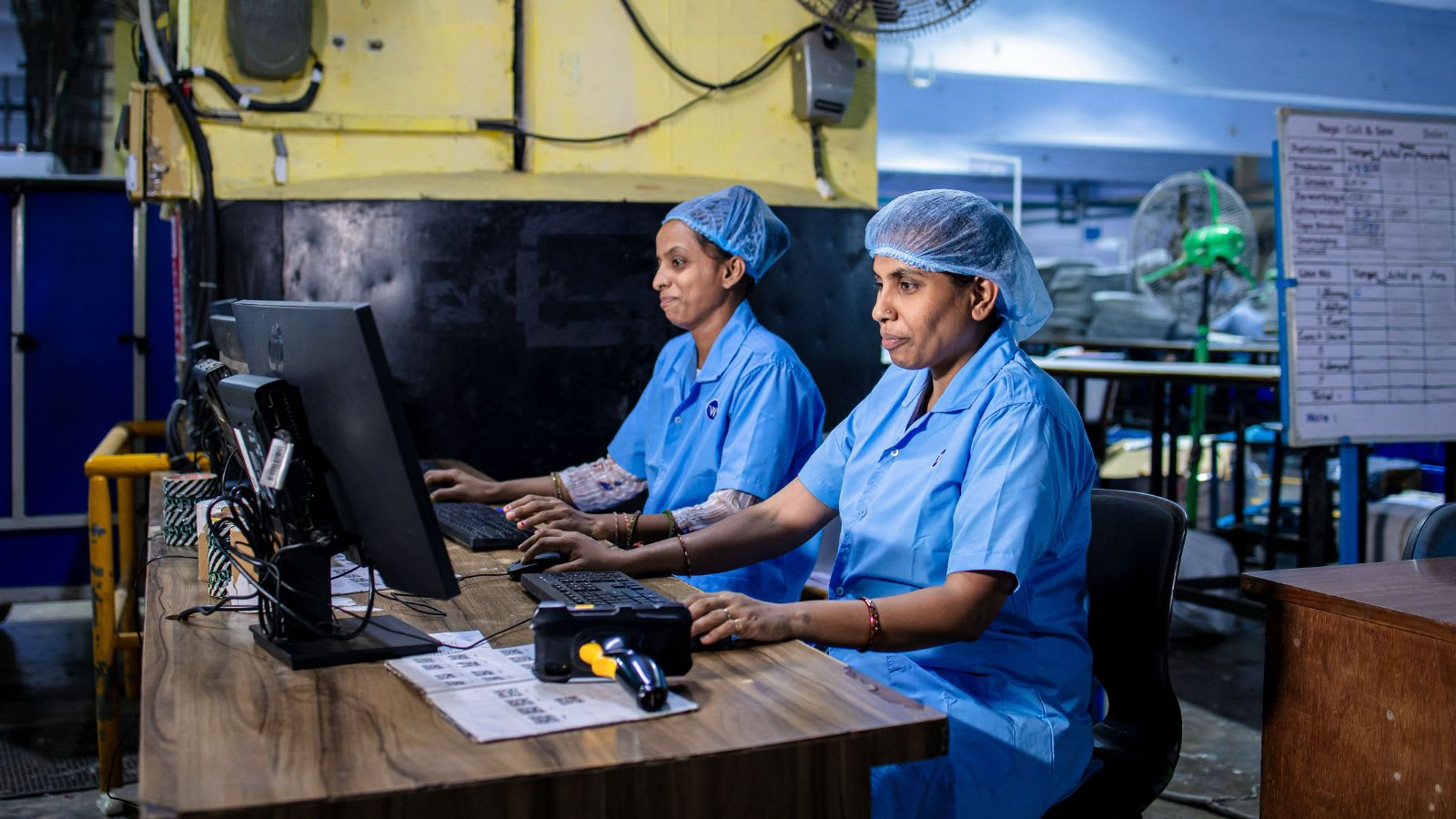
Tamil Nadu is leading India in female labor force participation, particularly in electronics manufacturing. Cities like Coimbatore and Madurai are outperforming national averages, mirroring successful industrial models seen in China.
Tamil Nadu's Industrial Shift: A New Era for Women in Manufacturing
Recent data released by the Ministry of Statistics and Programme Implementation (MoSPI) highlights a significant shift in India’s industrial landscape, positioning Tamil Nadu as the primary state capable of replicating the highly successful, women-led electronics manufacturing model pioneered in China. By focusing on large-scale employment of women in assembly and production lines, the state is effectively bridging the gender gap in the industrial workforce, a feat that other Indian states have yet to achieve at a comparable scale.
Analyzing the Labour Force Participation Rate
The MoSPI report, which focused on India’s 46 most populous cities, provides granular evidence of this success. Coimbatore and Madurai have emerged as national leaders, boasting Female Labour Force Participation Rates (LFPR) of 41.3% and 37% respectively. These figures are significantly higher than the national urban average of 27.7%, signaling that the regional economic strategy in Tamil Nadu is uniquely aligned with integrating women into the formal labor market.
The China-Tamil Nadu Parallel
When observers compare Tamil Nadu to China’s industrial trajectory, the focus is often on the 'electronics manufacturing model.' This model relies heavily on a skilled, reliable, and diverse workforce to manage complex supply chains. By drawing women into the workforce at such high rates, Tamil Nadu is not only addressing labor shortages but is also creating a socioeconomic environment that mirrors the rapid industrialization periods witnessed in East Asian economies, where female labor was the backbone of the consumer electronics boom.
Comparative Industrial Dynamics
While Surat, Gujarat, also shows a high LFPR at 40.6%, the underlying economic drivers appear to differ from the electronics-centric growth seen in Tamil Nadu. The Annual Survey of Industries suggests that while Gujarat maintains high participation, Tamil Nadu’s strategic focus on electronics assembly provides a more sustainable roadmap for long-term industrial scaling. This distinction is vital for policymakers attempting to replicate these results in other parts of the country.
Broader Implications and Future Trends
If these trends continue, Tamil Nadu is positioned to become the primary hub for global electronics manufacturing in India. The state's ability to maintain these high participation rates suggests a robust ecosystem of vocational training and social support systems that encourage women to enter and remain in the workforce. Future growth will likely depend on the state's ability to upgrade the skills of this workforce, moving from assembly to more complex design and manufacturing roles.
Conclusion
Tamil Nadu’s success serves as a blueprint for Indian industrial policy. By prioritizing the inclusion of women in the labor force, the state is not only achieving higher economic productivity but is also fostering greater gender parity in the industrial sector. As India seeks to become a global manufacturing powerhouse, the lessons learned from Coimbatore and Madurai will likely dictate the strategies of other states aiming to attract high-value electronics investment.