Opinion: Opinion | Kaveri To J-20, How China Overtook India In A 40-Year-Old Race To Build Fighter Jets
Source Entity
NDTV News Search Records Found 1000
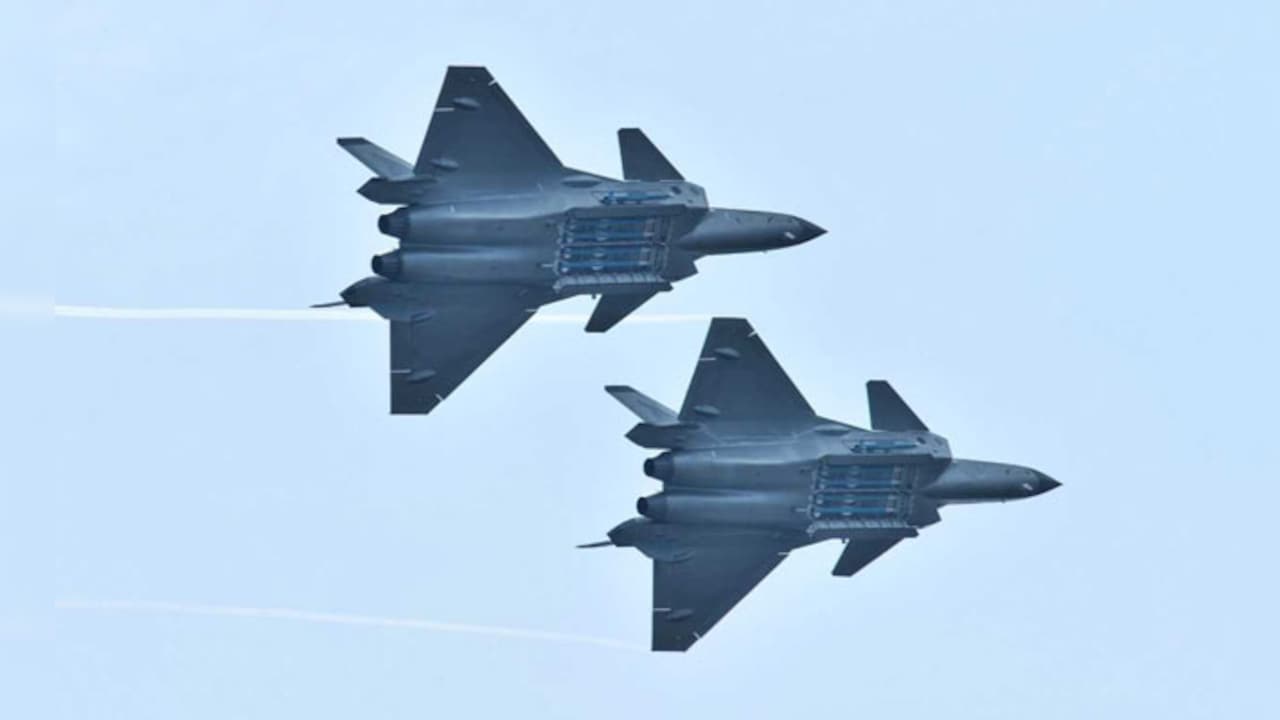
Forty years after launching parallel jet engine programs, China and India have reached vastly different outcomes. While China successfully integrated advanced propulsion, India's Kaveri engine remains a benchmark of development challenges.
The Divergent Paths of Asian Aerospace Power
In the 1980s, both India and China embarked on ambitious journeys to achieve self-reliance in military jet engine technology. Recognizing that true air superiority requires a domestic capacity to produce engines, both nations began their endeavors with a heavy reliance on Soviet and Russian technical foundations. This shared starting point, however, has led to a starkly different reality four decades later, marking a significant shift in the balance of aerospace capabilities in the region.
The Strategic Importance of Engine Autonomy
The development of a military jet engine is widely considered one of the most complex engineering challenges in the world. It requires mastery over metallurgy, high-temperature material science, and precision manufacturing. For both India and China, the pursuit of these engines was not merely about industrial prestige but about strategic autonomy. By moving away from dependency on imported propulsion systems, a nation ensures that its frontline fighter jets remain operational regardless of shifting geopolitical alliances or sanctions.
China’s Rapid Ascent to Propulsion Maturity
China’s trajectory in this domain has been characterized by massive state investment and a systematic approach to reverse-engineering and eventually innovating upon Russian designs. The J-20 stealth fighter serves as the primary evidence of this progress. By successfully integrating domestic engines, China has transitioned from a client state of Russian aerospace technology to a manufacturer capable of sustaining its own advanced air force. This evolution has allowed the People’s Liberation Army Air Force to scale its operations with a level of independence that was unimaginable forty years ago.
The Hurdles Facing the Kaveri Program
In contrast, India’s Kaveri engine program has faced significant technical and developmental roadblocks. Originally intended to power the Light Combat Aircraft (LCA) Tejas, the engine struggled to meet the stringent thrust-to-weight requirements necessary for modern supersonic combat. The persistent challenges in the Kaveri project underscore the immense difficulty of jumping from basic aerospace manufacturing to the high-stakes world of advanced turbofan development without a continuous, iterative pipeline of successful engine prototypes.
Comparative Lessons in Defense Industrialization
The four-decade gap in outcomes serves as a case study in defense industrial policy. China’s model prioritized the rapid deployment of systems and a willingness to iterate through failures, whereas the Indian experience highlights the dangers of prolonged development cycles. As the finish line currently stands, the disparity between the two programs has created a tangible gap in the operational readiness and technological sovereignty of both air forces.
Future Trends and Strategic Outlook
Looking ahead, the focus for both nations will shift toward next-generation propulsion, including variable cycle engines and increased stealth integration. While China continues to refine its domestic engine performance, India is shifting its strategy toward collaborative development and technology transfers from global partners. This divergence in methodology will likely define the aerospace landscape for the next forty years, as the race for air superiority continues to evolve toward unmanned systems and AI-integrated flight profiles.
Verification Required?