"Went Back On His Word": Minister Jitendra Singh On Rahul Gandhi's 'Demands'
Source Entity
NDTV News Search Records Found 1000
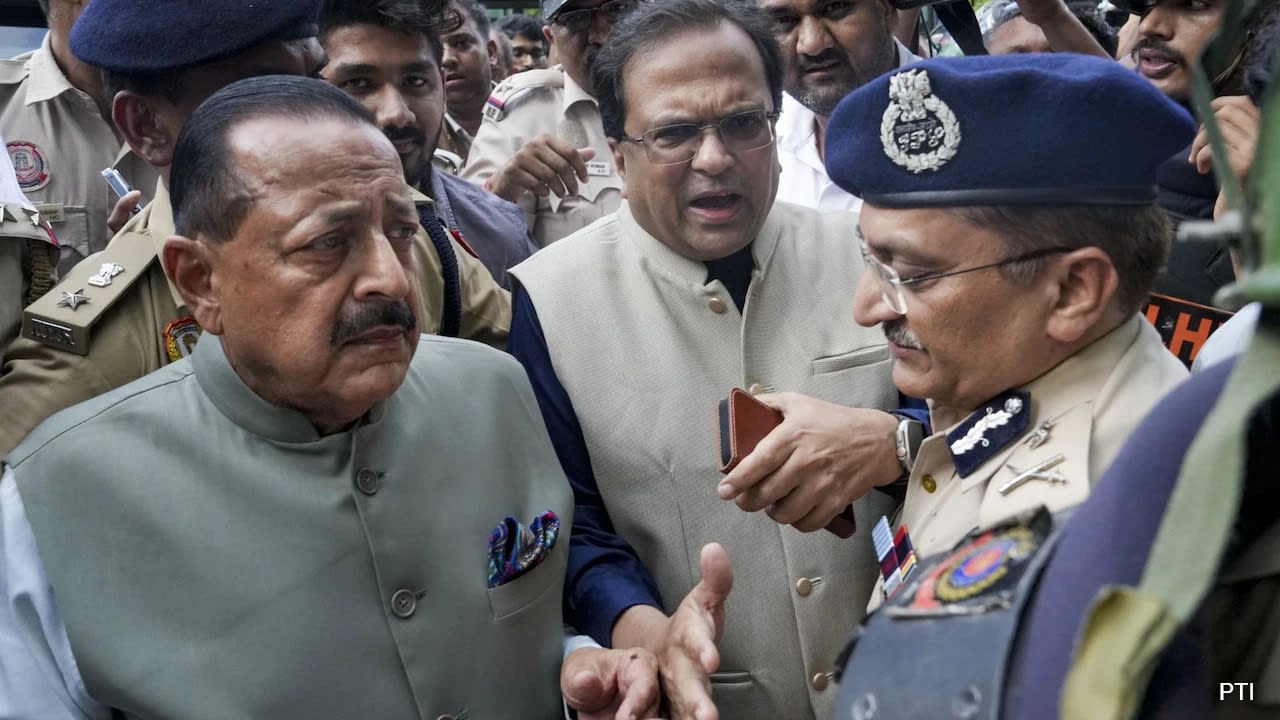
The Monsoon Session of Parliament faced immediate disruption as Opposition MPs protested the NEET paper leak and other grievances. Simultaneously, massive demonstrations in Delhi led to clashes between security forces and protesters demanding the resignation of the Education Minister.
Parliament Paralyzed: The Start of the Monsoon Session
The Monsoon Session of Parliament commenced on July 20, 2026, under a cloud of intense political friction. The proceedings in the Lok Sabha were marked by persistent disruptions, leading to six adjournments and an eventual suspension of business for the day by 3 p.m. The core of the agitation involved Opposition MPs from the Congress, Samajwadi Party, and Trinamool Congress, who entered the Well of the House to register their protest. The primary triggers for this legislative gridlock were the alleged NEET paper leak and reports of theft concerning Ram Temple donations, signaling a session that promises to be highly confrontational.
The NEET Crisis and Public Unrest
Beyond the parliamentary walls, the streets of Lutyens’s Delhi bore witness to significant civil unrest. An estimated 50,000 protesters, largely composed of young students and activists, converged on the capital to demand the resignation of Union Education Minister Dharmendra Pradhan. The scale of the demonstration was unprecedented, with activists from the Cockroach Janta Party (CJP) attempting to breach barricades to reach the Parliament complex. This public outcry over alleged CBSE exam irregularities and the NEET scandal reflects deep-seated frustration regarding the integrity of national examination systems.
Security Response and Escalation
Security forces faced a monumental task in managing the crowds across critical thoroughfares such as Ashoka Road, Janpath, and Raisina Road. The authorities employed robust crowd-control measures, including lathicharges, tear gas, and water cannons, to contain the marchers. The resulting clashes left scores of protesters injured, highlighting the volatile intersection between democratic dissent and national security protocols. The containment of the CJP activists at Jantar Mantar served as a flashpoint, illustrating the government's attempt to restrict the scope of the protest within the heart of the national capital.
The Breakdown of Parliamentary Consensus
Attempts to bridge the divide between the Treasury and Opposition benches appear to have failed. Union Minister Jitendra Singh noted that while the Centre had initially agreed to the Congress party's request for parliamentary discussions, the proposal stalled after Rahul Gandhi introduced additional demands. This breakdown reflects a wider pattern of legislative impasse where procedural disagreements often mirror deeper ideological and political divides. The failure to reach a consensus suggests that the government may face significant difficulty in passing its legislative agenda throughout the remainder of the session.
Legislative Priorities vs. Political Reality
Despite the chaos, the government managed to transact a small but significant piece of business. Union Law Minister Arjun Ram Meghwal introduced a Bill aimed at replacing an Ordinance that increases the number of Supreme Court judges. This move highlights the government's intent to focus on judicial reforms even amidst the surrounding political turbulence. However, the contrast between the administrative necessity of this bill and the chaotic atmosphere of the House underscores the precarious balance the current administration must maintain to ensure functional governance.
Future Outlook and Implications
As the session progresses, the ability of the government to address the allegations surrounding the Education Ministry will likely dictate the tenor of the coming weeks. The DMK’s decision to raise the Mekedatu issue while simultaneously distancing itself from the Congress-led protest strategy reveals a fragmented Opposition, which may provide the government with tactical openings. Nevertheless, the scale of the street protests indicates that the NEET controversy is not merely a parliamentary skirmish but a significant issue of public trust that will require a substantive response to avoid further escalation of civil unrest.
Multiple Citing Sources
Verification Required?