‘I have a $2,000 deductible’: I reported a cracked windshield on my Hertz rental car. Can they charge me?
Source Entity
Quentin Fottrell
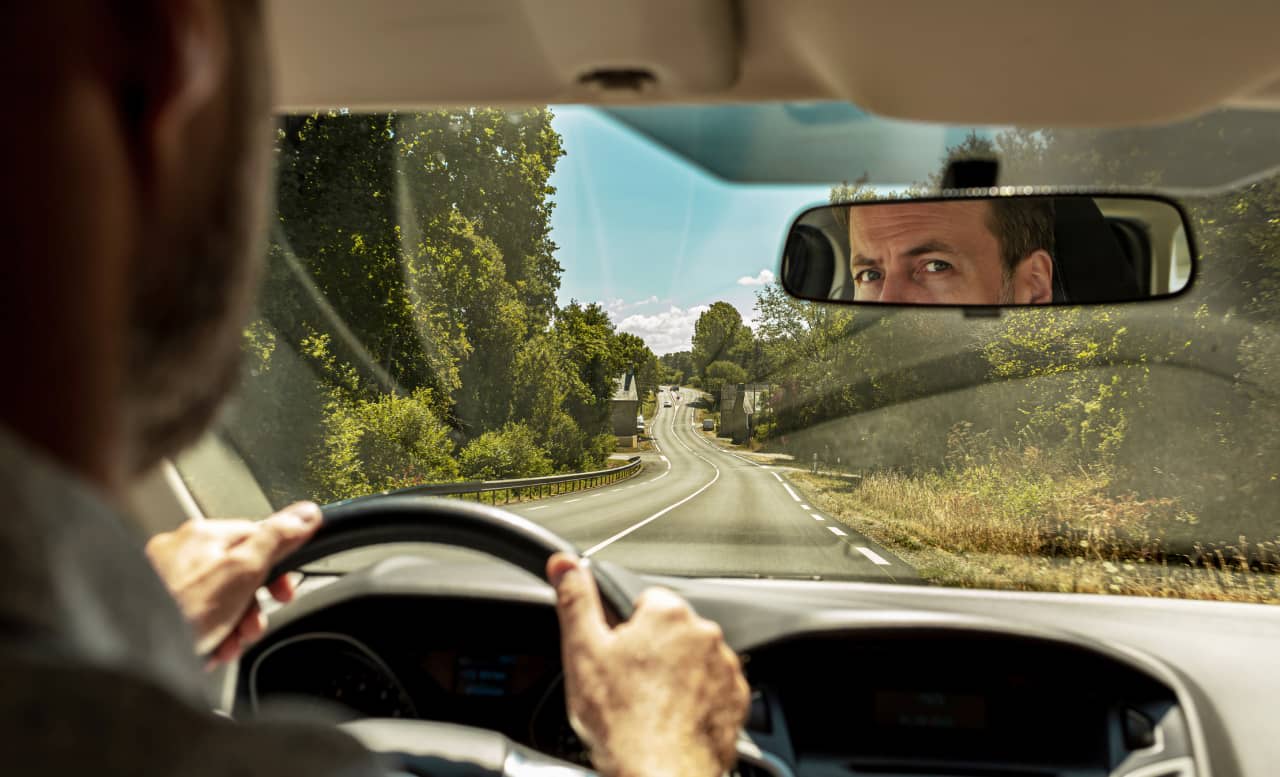
A rental car customer is disputing a $2,000 deductible charge from Hertz after reporting a cracked windshield. The customer maintains they never heard an impact, highlighting common disputes in vehicle damage liability.
The Complexity of Rental Car Liability
When a customer reports a cracked windshield on a rental vehicle—specifically in this case involving Hertz—the incident often triggers a complex chain of liability assessments. The customer’s assertion, “I never heard a rock hit the windshield,” reflects the common frustration associated with sudden, non-obvious vehicle damage. In the rental industry, windshield cracks are often classified as 'wear and tear' or 'road hazard' damage, yet the financial burden frequently shifts to the consumer depending on their chosen protection plan.
Understanding the Deductible Mechanism
The mention of a $2,000 deductible suggests that the customer either opted for a specific level of insurance coverage or was defaulted into a policy that requires significant out-of-pocket costs for damage claims. Rental agencies operate under strict terms and conditions where the physical state of the vehicle is documented at the time of check-out and return. If the damage was not present at the start of the rental, the burden of proof often rests on the driver to demonstrate that the damage occurred through no fault of their own or was a pre-existing manufacturing defect.
The 'Invisible' Damage Problem
Windshield cracks can originate from microscopic imperfections that expand due to temperature fluctuations or minor vibrations, which explains why a driver might not hear a rock strike the glass. This phenomenon, often referred to as 'stress cracking,' complicates the dispute process because the damage does not always correlate with a singular, audible event. For the rental company, the priority is maintaining fleet integrity, which often results in an automated billing process for any damage identified upon return.
Navigating Corporate Dispute Policies
Disputing such charges requires the customer to engage with the rental agency’s damage recovery unit. Success in these disputes usually hinges on whether the customer documented the vehicle's condition before leaving the lot. Without photographic evidence from the start of the rental period, the agency’s damage report typically holds significant weight in any arbitration or internal review process, making it difficult for the consumer to contest the deductible.
Broader Implications and Future Trends
The tension between rental agencies and consumers regarding damage claims is likely to evolve as more companies integrate high-resolution, AI-driven vehicle inspection technology. These systems aim to objectively document the state of a vehicle before and after rental, potentially reducing the reliance on subjective claims. Until such technologies are universal, consumers are encouraged to perform thorough walk-around inspections and maintain clear records to avoid unexpected financial penalties related to minor, often overlooked, vehicle damage.
Verification Required?