Boeing CEO says company still needs 'a couple more years' to repair finances before new jet
Source Entity
US Top News and Analysis
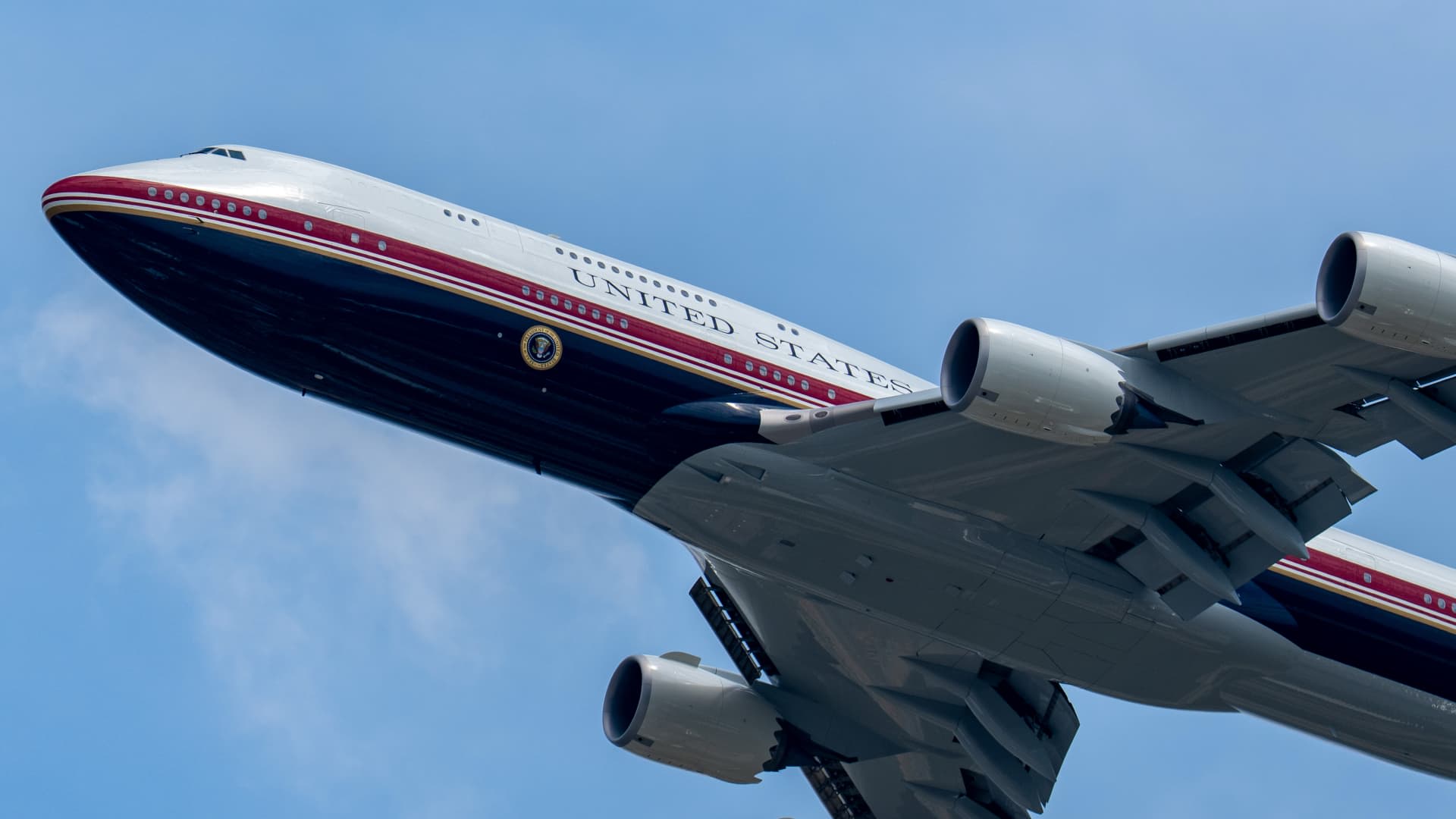
Boeing CEO Kelly Ortberg has indicated that the company will delay the development of a new aircraft to focus on stabilizing its finances. The manufacturer is prioritizing operational recovery and quality control over launching a successor to the 737 MAX.
Boeing's Strategic Pivot: Prioritizing Stability Over Expansion
Boeing CEO Kelly Ortberg has signaled a significant shift in the aerospace giant’s long-term strategy, explicitly stating that the company requires "a couple more years" to repair its financial foundation before embarking on the development of a new commercial jet. This measured approach marks a departure from industry expectations of an immediate successor to the 737 MAX, emphasizing that internal stability and operational health must precede aggressive product innovation.
The Mandate for Operational Recovery
Ortberg’s comments, delivered during the Farnborough International Airshow, underscore the gravity of the challenges currently facing Boeing. Following a period defined by intense scrutiny regarding manufacturing quality and safety protocols, the leadership team is clearly prioritizing institutional integrity. By choosing to focus on stabilizing the existing business, the company is attempting to mitigate the risks associated with high-stakes engineering projects that require immense capital and flawless execution.
Financial Prudence as a Prerequisite
Financial health remains the primary hurdle for Boeing’s future aspirations. The aviation industry is notoriously capital-intensive, and the development of a clean-sheet aircraft requires billions of dollars in R&D investment. Ortberg’s admission that the "financial house" needs to be in order suggests that the company is currently optimizing its balance sheet to ensure that when it does eventually launch a new program, it has the liquidity and operational resilience to deliver without compromise.
Navigating the 737 MAX Legacy
The 737 MAX has been the backbone of Boeing’s commercial fleet, yet it has also been the center of the company’s recent turbulent history. By delaying the launch of a successor, Boeing is effectively buying itself time to refine its current production processes. This strategy suggests a long-term vision where brand reputation is restored through the consistent delivery of existing products rather than chasing new market share with unproven designs.
Future Outlook and Market Implications
Looking ahead, the aerospace sector will be watching Boeing closely to see if this period of consolidation yields the desired results. While investors may be eager for a new flagship product to compete with market rivals, the current focus on "getting ready" is a necessary step for long-term viability. If Boeing successfully navigates this recovery phase, it will be better positioned to leverage its engineering expertise for future aircraft development that meets the rigorous safety and economic demands of modern aviation.
Conclusion
In summary, Kelly Ortberg’s leadership is defined by a commitment to foundational stability. By setting a timeline of a "couple more years" for financial recovery, Boeing is signaling that it will not rush into new development programs at the expense of quality. This cautious, strategic approach is designed to ensure that the aerospace manufacturer emerges from its current difficulties as a more disciplined and reliable industry leader.