‘Will deal with it if…’: Bombay HC on BMC’s Neville D’Souza move despite assuring no decision
Source Entity
Omkar Gokhale
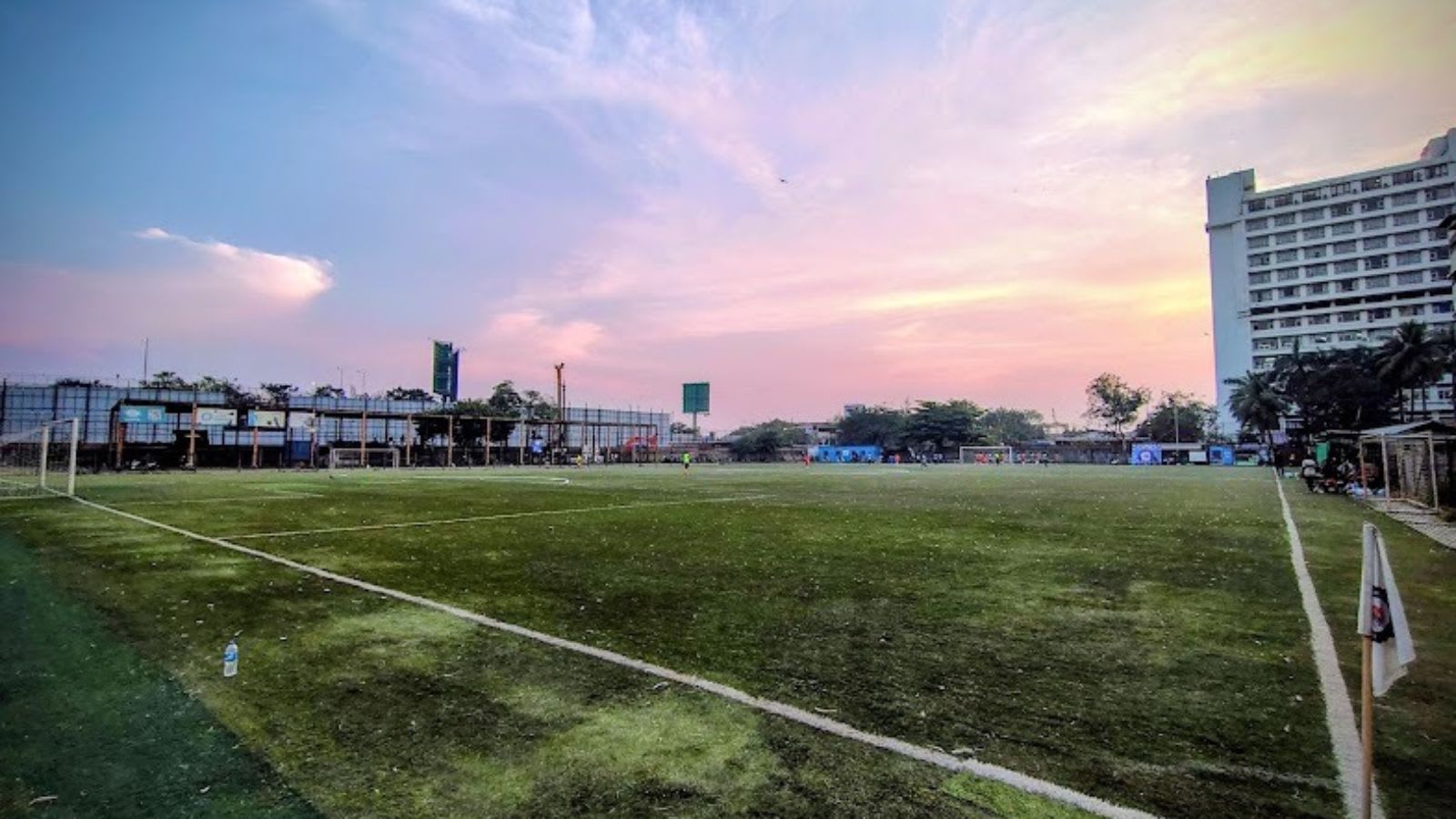
The Bombay High Court has warned the BMC following its decision to convert Bandra’s Neville D’Souza football ground into a convention center, despite prior assurances to the contrary. The move has sparked significant local concern regarding the loss of essential open spaces in Mumbai.
The Controversy Surrounding Neville D’Souza Football Ground
The recent decision by the Brihanmumbai Municipal Corporation (BMC) to reclassify the iconic Neville D’Souza football ground in Bandra Reclamation as a convention and exhibition center has ignited a fierce legal and civic battle. Despite an earlier oral assurance provided to the Bombay High Court on August 10—where the civic body promised to withhold a final decision until proper procedures were followed—the BMC’s general body pushed the proposal through on a Tuesday night session. This move has directly challenged the court’s oversight and raised serious questions regarding administrative accountability.
Judicial Scrutiny and Breach of Assurance
The Bombay High Court has responded firmly to this development, explicitly stating that it will “deal with” the BMC’s actions if they are found to be inappropriate or in violation of the assurances provided during previous hearings. The Mumbai Football Association (MFA), which brought the plea to the court, highlighted the discrepancy between the BMC’s courtroom commitments and its subsequent legislative actions. This judicial intervention serves as a critical check on municipal power, ensuring that civic bodies cannot bypass due process under the guise of administrative necessity.
The Erosion of Urban Open Spaces
At the heart of this conflict is the broader issue of Mumbai’s rapidly depleting open spaces. Inaugurated in 2018, the Neville D’Souza football ground has served as a vital hub for local athletics, representing a rare dedicated venue for the sport in a city where land is at a premium. The decision to prioritize a convention center over recreational infrastructure has drawn sharp criticism from the Opposition and local community groups, who argue that the city’s development strategy is increasingly hostile toward public health and community-centric urban planning.
Legislative Maneuvering and Procedural Doubts
The path to this decision was paved by the civic improvements committee in June, which initially cleared the proposal for reservation change. Following this, Chairperson Sandhya Doshi presented the proposal to the general body, where Mayor Ritu Tawde ultimately finalized the move. The speed and timing of this approval—occurring despite ongoing legal challenges—suggest a deliberate attempt to finalize the land-use change before judicial intervention could effectively stall the process.
Future Implications for Urban Planning
This case sets a significant precedent for how future land-use disputes will be handled in Mumbai. If the court rules against the BMC, it could force a re-evaluation of how municipal corporations manage public grounds versus commercial development projects. Furthermore, the tension between the need for commercial exhibition spaces and the preservation of sports facilities reflects a growing struggle in India’s metropolitan areas to balance modernization with the preservation of communal assets. The upcoming court hearings will be pivotal in determining whether the Neville D’Souza ground remains a sanctuary for athletes or is permanently transformed into a commercial hub.