Kerala High Court upholds vaccination rule for Rs 6,000 PMMVY maternity benefits
Source Entity
Vineet Upadhyay
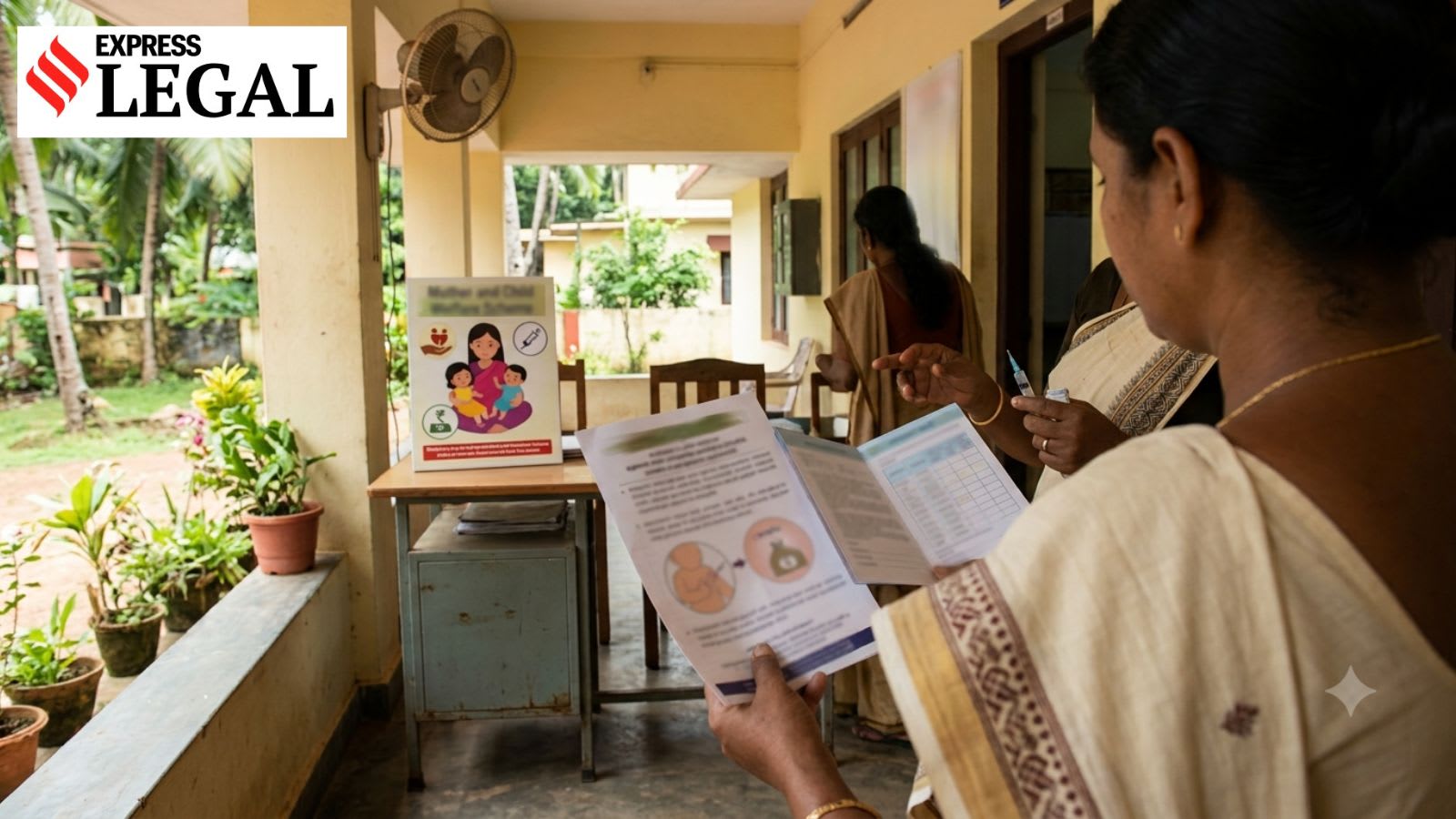
The Kerala High Court has upheld the government's requirement to link PMMVY maternity benefits to the vaccination of a second girl child. The court ruled that while vaccination is not mandatory, individuals must meet scheme criteria to receive financial benefits.
Kerala High Court Upholds PMMVY Vaccination Condition
The Legal Verdict
The Kerala High Court has issued a significant ruling concerning the Pradhan Mantri Matru Vandana Yojana (PMMVY), a flagship maternity benefit program by the Central government. Justice Bechu Kurian Thomas, while presiding over a case filed by a 36-year-old resident of Malappuram, upheld the government’s mandate that links the receipt of the Rs 6,000 maternity benefit to the vaccination of a second girl child. The court’s decision clarifies the legal boundary between personal choice and the eligibility criteria for state-sponsored welfare schemes.
Balancing Autonomy and Welfare
At the heart of the dispute was the petitioner's challenge to the vaccination requirement, which he argued was unconstitutional. The court addressed this by drawing a firm distinction between the right to bodily autonomy and the right to state benefits. Justice Thomas noted that the government does not physically force any individual to vaccinate their child. However, the court emphasized that welfare schemes are governed by specific guidelines that applicants must adhere to if they wish to qualify for financial assistance.
The 'Cake and Eat It Too' Doctrine
In a sharp observation, the court stated that the petitioner “cannot have the cake and eat it too.” This legal sentiment underlines the principle that while citizens have the freedom to refuse medical interventions like vaccinations, that freedom does not extend to an automatic right to access government funds that are specifically conditional upon those interventions. By choosing to opt out of the vaccination requirement, the petitioner effectively disqualifies himself from the specific financial benefits tied to that policy.
Broader Implications for Public Health
The PMMVY is designed to provide partial compensation for wage loss in terms of cash incentives to improve health-seeking behavior among pregnant and lactating women. By linking this incentive to the immunization of a second girl child, the government aims to promote pediatric health and gender-specific welfare goals. The court's ruling reinforces the government's ability to use financial incentives as a tool for public health policy, ensuring that state resources are directed toward those who comply with established health guidelines.
Conclusion
Ultimately, this judgment serves as a precedent for the administration of welfare programs in India. It clarifies that while the state cannot mandate medical procedures, it holds the authority to set eligibility benchmarks for social security benefits. For beneficiaries, the message is clear: participating in state-sponsored schemes requires adherence to the social and health criteria outlined by the legislative framework.