Supreme Court urges Centre to strengthen NTA, seeks reforms update
Source Entity
The Indian Express
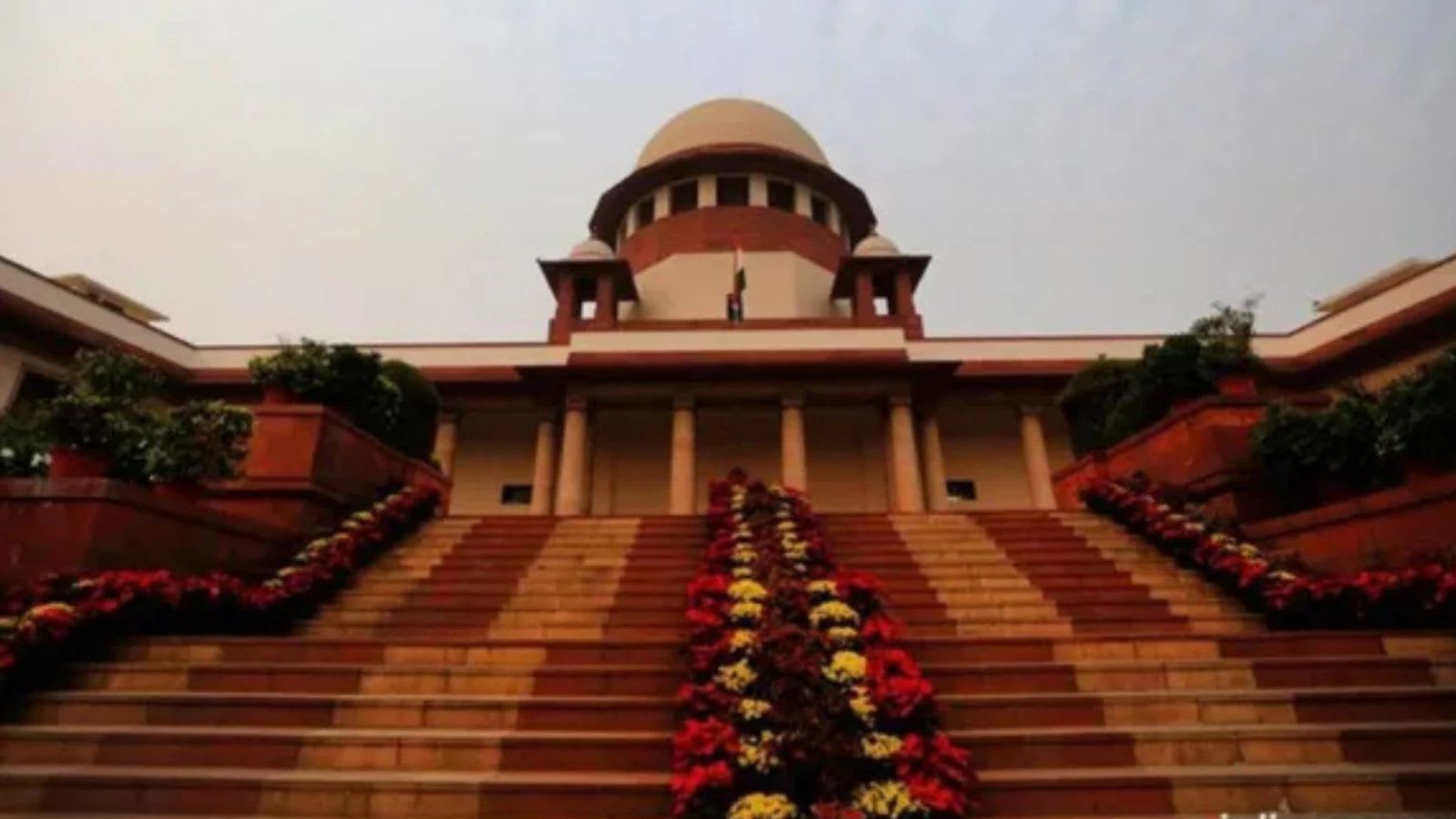
The Supreme Court has mandated that the NTA focus on institutionalizing reforms rather than repeatedly forming new committees. The court aims to transform the NTA into a robust, reliable body comparable to the UPSC to ensure the integrity of future public exams.
The Quest for Institutional Integrity in India's Examination System
The recent legal developments surrounding the National Testing Agency (NTA) mark a pivotal moment in the governance of public examinations in India. Following the NEET-UG 2026 paper leak crisis, the Supreme Court has taken a firm stance, emphasizing that the solution to systemic failures lies not in the constant formation of new committees, but in the long-term institutionalization of reform. The Court's intervention underscores a growing frustration with the reactive nature of administrative fixes, urging the government to move beyond 'committee-hopping.'
The Role of Expert Panels: Radhakrishnan vs. Nilekani
A central point of contention in the Supreme Court’s recent hearings involves the transition from the committee headed by former ISRO chairman K. Radhakrishnan to the newly formed task force led by Infosys co-founder Nandan Nilekani. The Bench has explicitly warned the government against discarding the recommendations of the former panel, insisting that the Nilekani-led task force should build upon existing findings rather than starting from scratch. By ensuring continuity, the Court hopes to prevent the 'new picture every exam' phenomenon that has plagued the NTA’s credibility.
Benchmarking Against the UPSC Standard
Perhaps the most significant aspect of the Court's directive is the comparison drawn between the NTA and the Union Public Service Commission (UPSC). The Supreme Court pointed to the UPSC’s long-standing reputation for conducting foolproof examinations as the gold standard. The Court noted that the UPSC benefits from 'institutional memory' and 'institutional expertise,' assets that the NTA currently lacks. This comparison serves as a strategic roadmap for the NTA: to evolve from a transient testing body into a permanent, resilient institution capable of weathering systemic threats.
Judicial Oversight and Accountability
While the Supreme Court continues to monitor the NTA’s reform trajectory, the Delhi High Court has simultaneously clarified the boundaries of legal challenges against the agency. By refusing to entertain a petition calling for the scrapping of the NTA—labeling it a personal grievance rather than a matter of public interest—the judiciary is signaling a preference for reform over dissolution. This dual-track approach suggests that the courts favor stabilizing the existing framework rather than dismantling the entire testing apparatus.
Future Trends and Systemic Overhaul
As the government prepares to file affidavits detailing the implementation of expert recommendations, the focus remains on technical and procedural security. With reports of significant personnel changes, including the removal of subject experts, the NTA is clearly undergoing a forced metamorphosis. The future of Indian competitive exams will likely hinge on whether these reforms can move beyond superficial fixes and successfully integrate the technological rigor expected by the Supreme Court, ultimately restoring the faith of millions of aspirants in the fairness of the testing process.
Multiple Citing Sources