Halt public projects abruptly? Pay from your pocket, Bombay HC tells State, civic officials
Source Entity
Omkar Gokhale
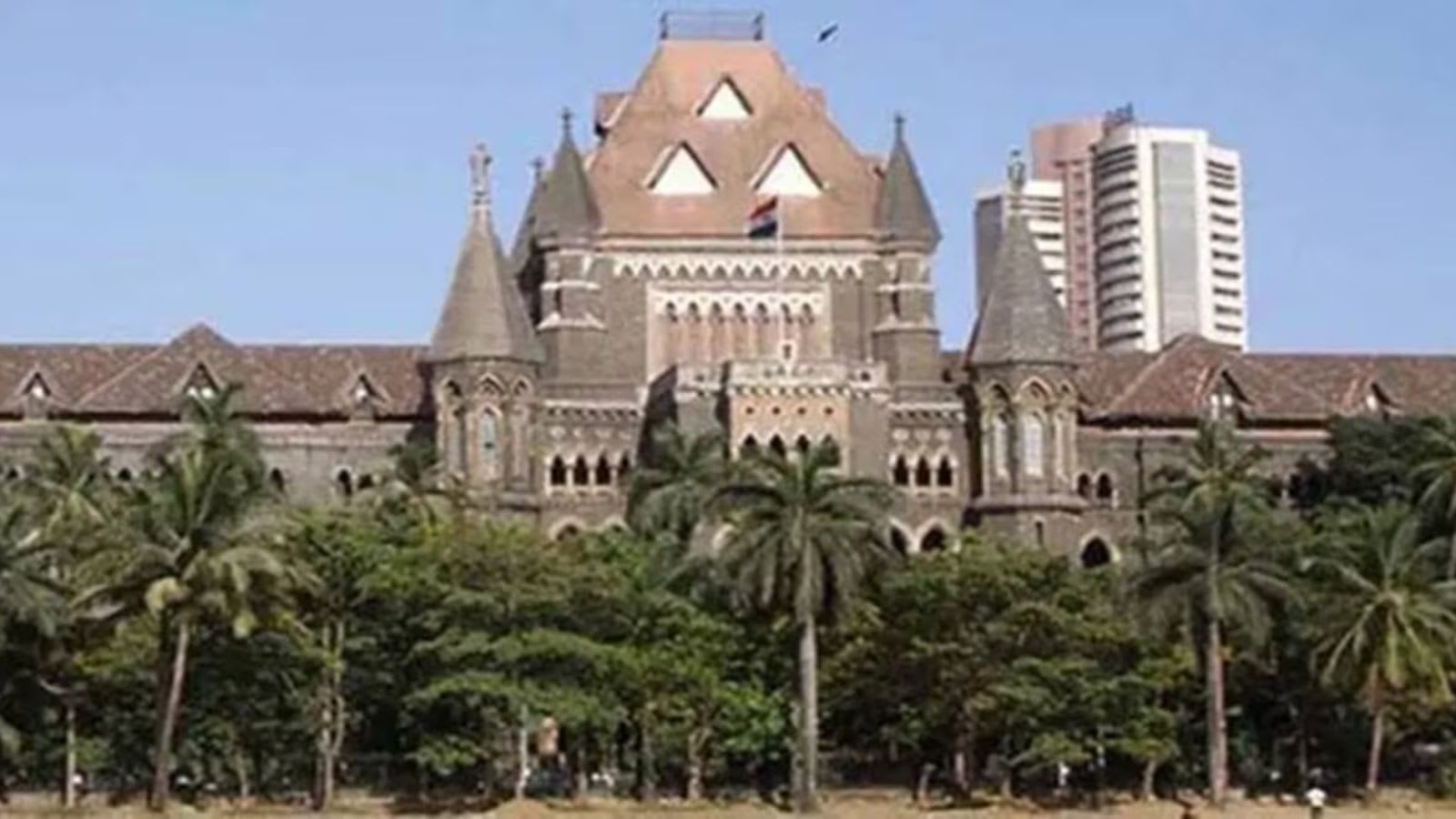
The Bombay High Court has ruled that government officials may be held personally liable for financial losses caused by the abrupt cancellation of public projects. This decision follows the suspension of a Rs 122 crore robotic parking facility in Mumbai, aiming to protect taxpayers from fiscal mismanagement.
Judicial Accountability in Public Infrastructure
The Bombay High Court has set a significant legal precedent by asserting that government and civic officials could be held personally liable for the financial consequences of abruptly halting public infrastructure projects. This ruling arises from the realization that such administrative decisions frequently impose an unnecessary and heavy burden on the public exchequer, forcing taxpayers to foot the bill for projects that remain incomplete or abandoned.
The Mumbadevi Parking Project Case
The court's observation was prompted by a petition filed by M/s SMS Limited, the contractor engaged for a 17-storey robotic parking facility near the Mumbadevi Temple in South Mumbai. The Brihanmumbai Municipal Corporation (BMC) had originally initiated this Rs 122 crore project to address chronic parking shortages in the area. However, the civic body abruptly halted construction last year, leading to significant legal and financial disputes regarding the sunk costs and contractual obligations.
Protecting the Public Exchequer
A core tenet of this judicial intervention is the protection of public funds. When a project is cancelled mid-stream, the government is often liable for compensation, interest, and legal costs, all of which are derived from tax revenue. By suggesting that officials themselves should bear the financial brunt of such decisions, the court is emphasizing the need for greater due diligence and administrative responsibility before a project is initiated or terminated.
Implications for Civic Governance
This ruling serves as a stern warning to civic authorities across India. It challenges the culture of 'stop-start' governance where projects are launched for political optics or under poor planning, only to be shelved when priorities shift or administrative hurdles emerge. This shift toward individual accountability could lead to more robust feasibility studies and a more cautious, long-term approach to urban infrastructure development.
Historical Context and Future Trends
Historically, public projects in India have often suffered from delays and cost overruns, which the judiciary has frequently criticized. By moving from general criticism to proposing the personal liability of officials, the Bombay High Court is attempting to bridge the gap between administrative inaction and accountability. Moving forward, this could force civic bodies to improve their project lifecycle management, ensuring that public resources are utilized efficiently rather than wasted on abandoned initiatives.
Conclusion
The ruling highlights a critical need for transparency and fiscal prudence in municipal governance. By holding the decision-makers accountable for the loss of public capital, the judiciary is reinforcing the principle that government officials act as stewards of taxpayer money. As this case progresses, it may well define the threshold for administrative negligence in the execution of public works across the country.